
China Confirms Large Scale Buildup of Silo-Based Strategic Nuclear Forces
Military Watch Magazine Editorial Staff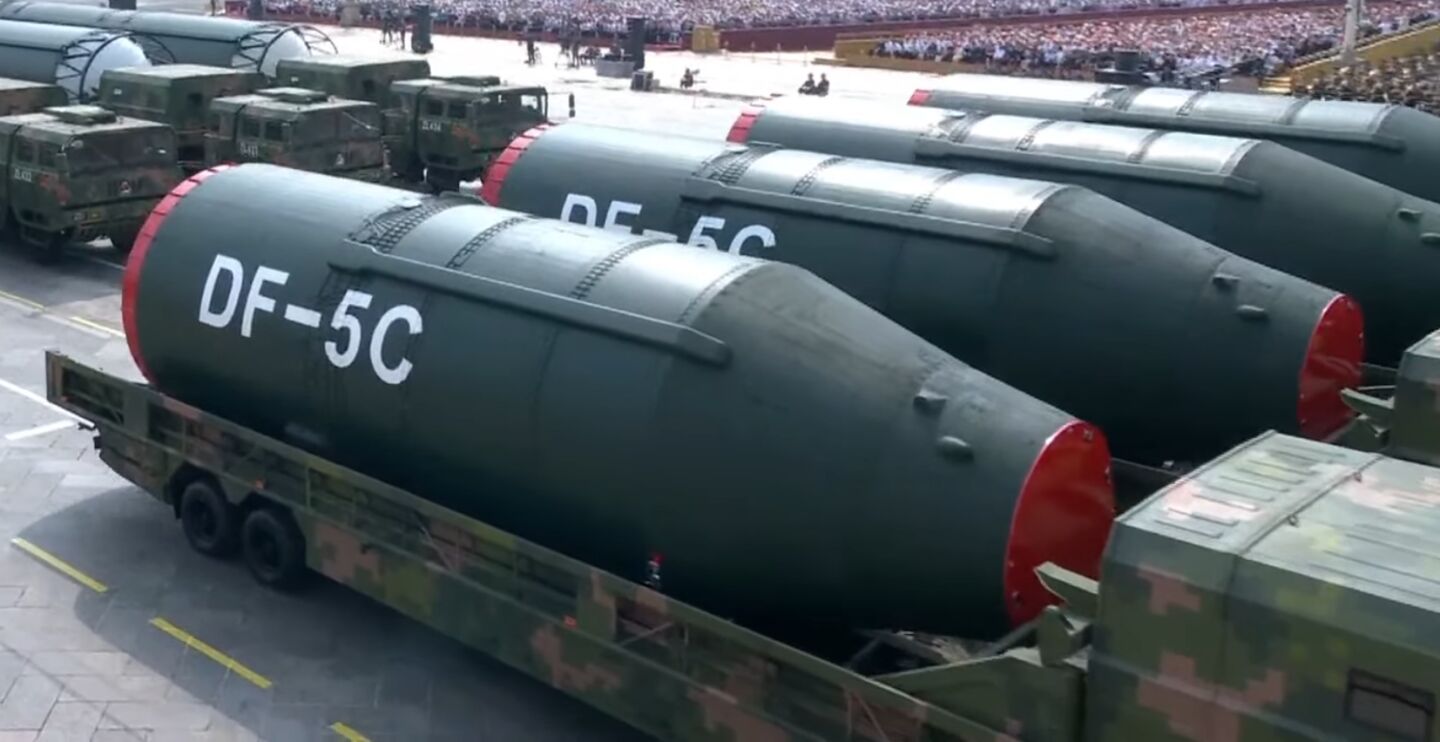
Components of DF-5C Silo-Based Nuclear Missiles
China has for the first time provided a semi-official acknowledgment of its significant investments in expanding its silo-based intercontinental-range ballistic missile arsenal, after work on this was first observed in commercial satellite imagery in 2021. A new CCTV documentary marking the 99th anniversary of the People’s Liberation Army features a PLA engineer discussing his work constructing what he describes as “houses for missiles” in remote mountains and deserts. The documentary links the work of PLA engineer First Master Sergeant Cui Daohu to the construction program, and describes considerable pressure from senior leadership to complete it on schedule.
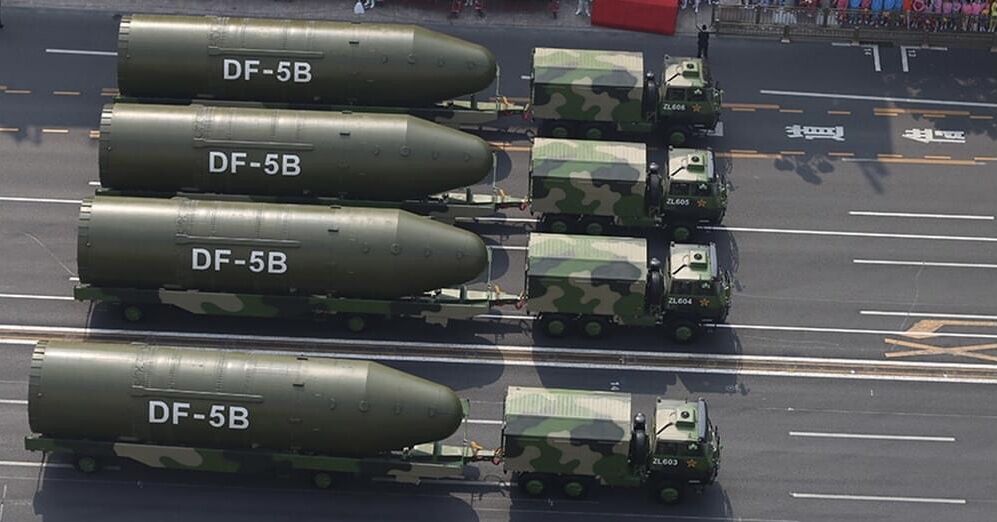
The three principal fields, located near Yumen in Gansu Province, Hami in Xinjiang and Yulin near Ordos in Inner Mongolia, contain approximately 320 suspected ICBM silos. The Yumen field contains about 120 silos, Hami approximately 110 and Yulin around 90. Before the discovery of the fields, China maintained a comparatively small silo-based ICBM force alongside road-mobile missiles. The construction programme has therefore been assessed as the largest expansion of China's nuclear arsenal to date. The silos are distributed across enormous areas of China's interior. The Yumen field covers approximately 1,110 square kilometres, Hami approximately 1,030 square kilometres and Yulin approximately 830 square kilometres.
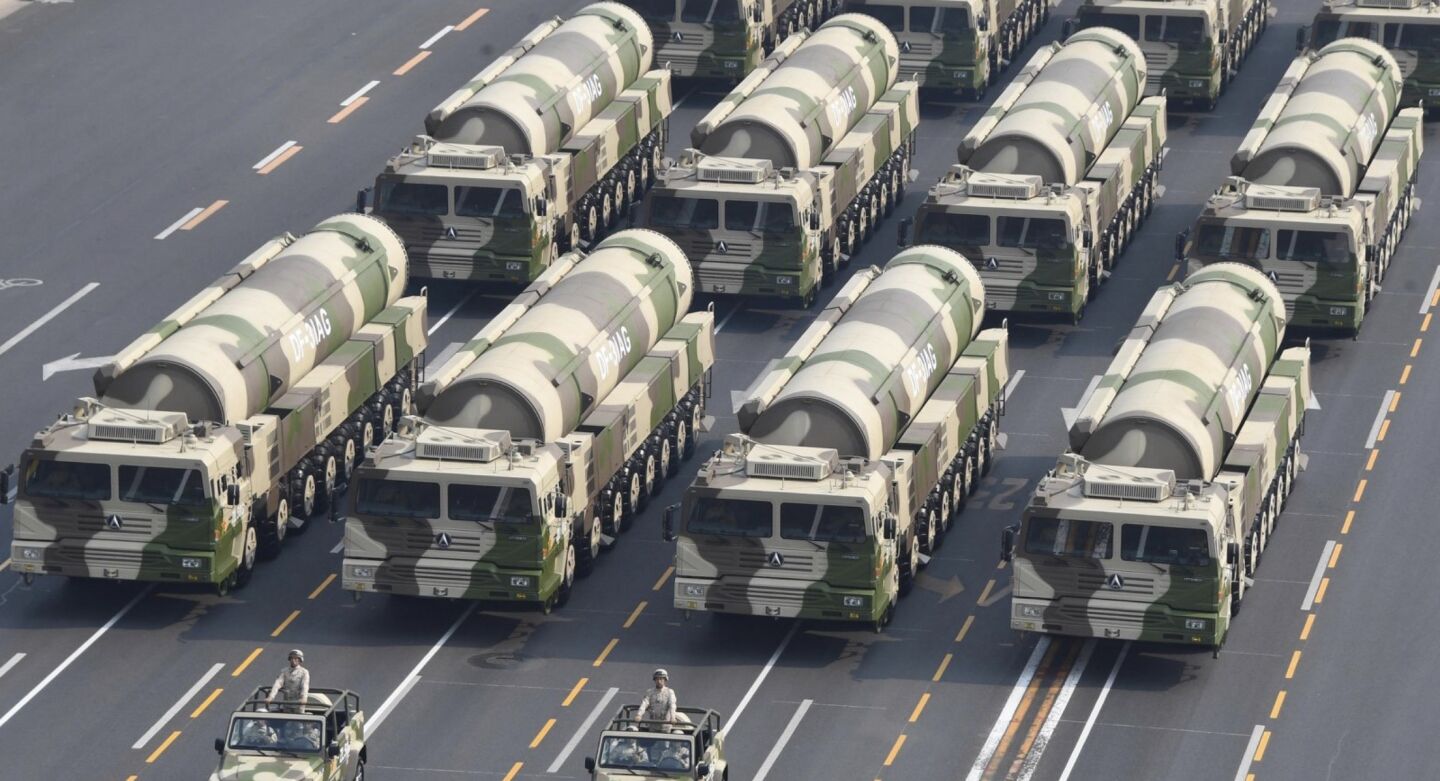
The silos are generally separated by several kilometres, complicating efforts to destroy multiple launch sites with a limited number of weapons. The locations are also considerably deeper inside China than most of the country's older ICBM bases. One of the most significant aspects of the new documentary is its description of the urgency surrounding construction. Cui said he was repeatedly questioned about whether the project would be completed on time and described developing faster construction methods to meet the deadline. He linked the project to the need to ensure that China could retain its strategic deterrent capability.
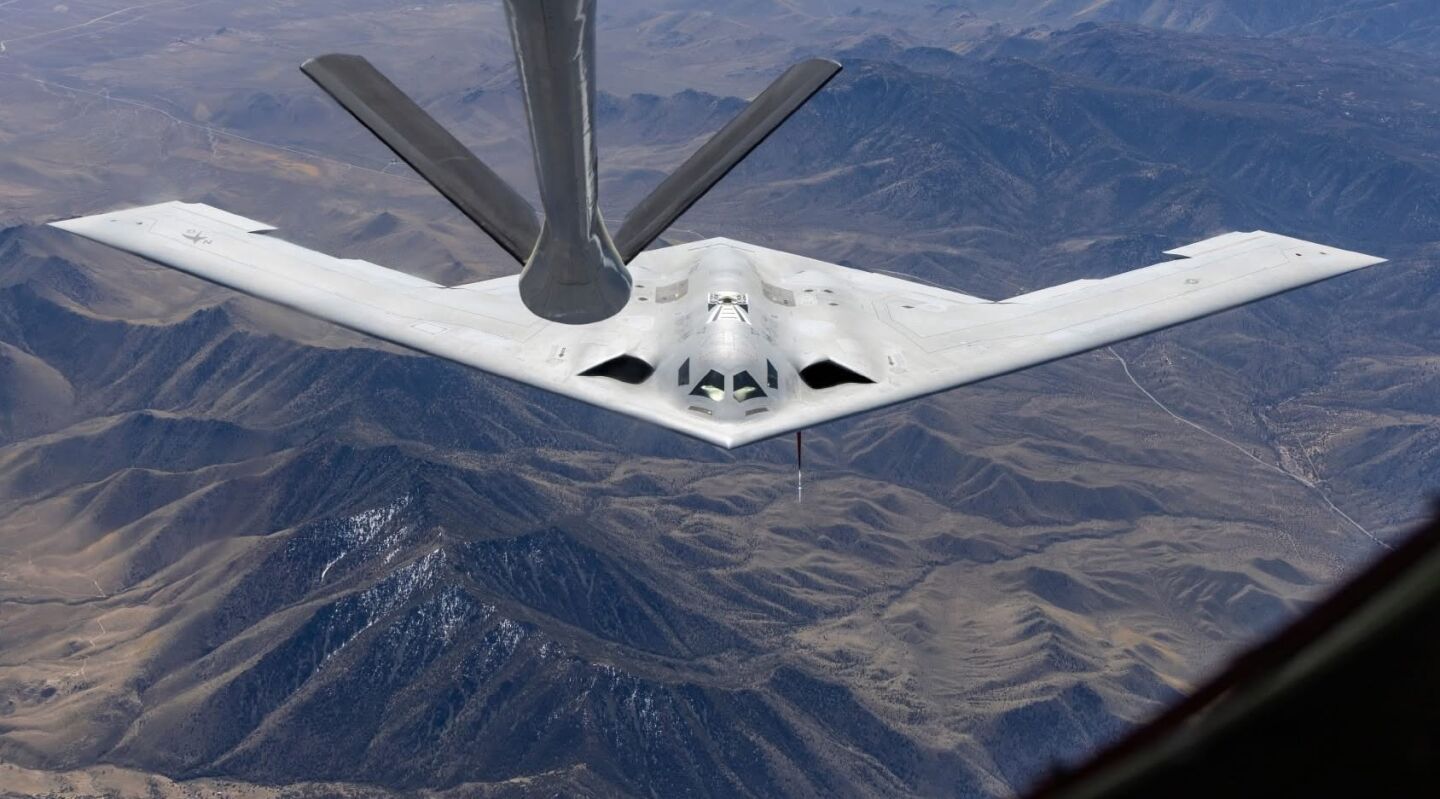
The ability to neutralise China’s ground-based nuclear forces is considered a primary requirement for the U.S. B-21 strategic bomber program, which was designed to launch penetration strikes into heavily defended airspace. The rapid expansion of China’s nuclear deterrent complements major investments in strengthening the country’s air defences, which is expected to make the destruction of its nuclear forces on the ground far less viable. The naval and air arms of the Chinese nuclear triad are also being improved significantly, most notably with the Type 096 ballistic missile submarine program, and at least one intercontinental range stealth bomber program.
