
China Brings Air Defences Into New Generation with HQ-20 Missile System
Military Watch Magazine Editorial Staff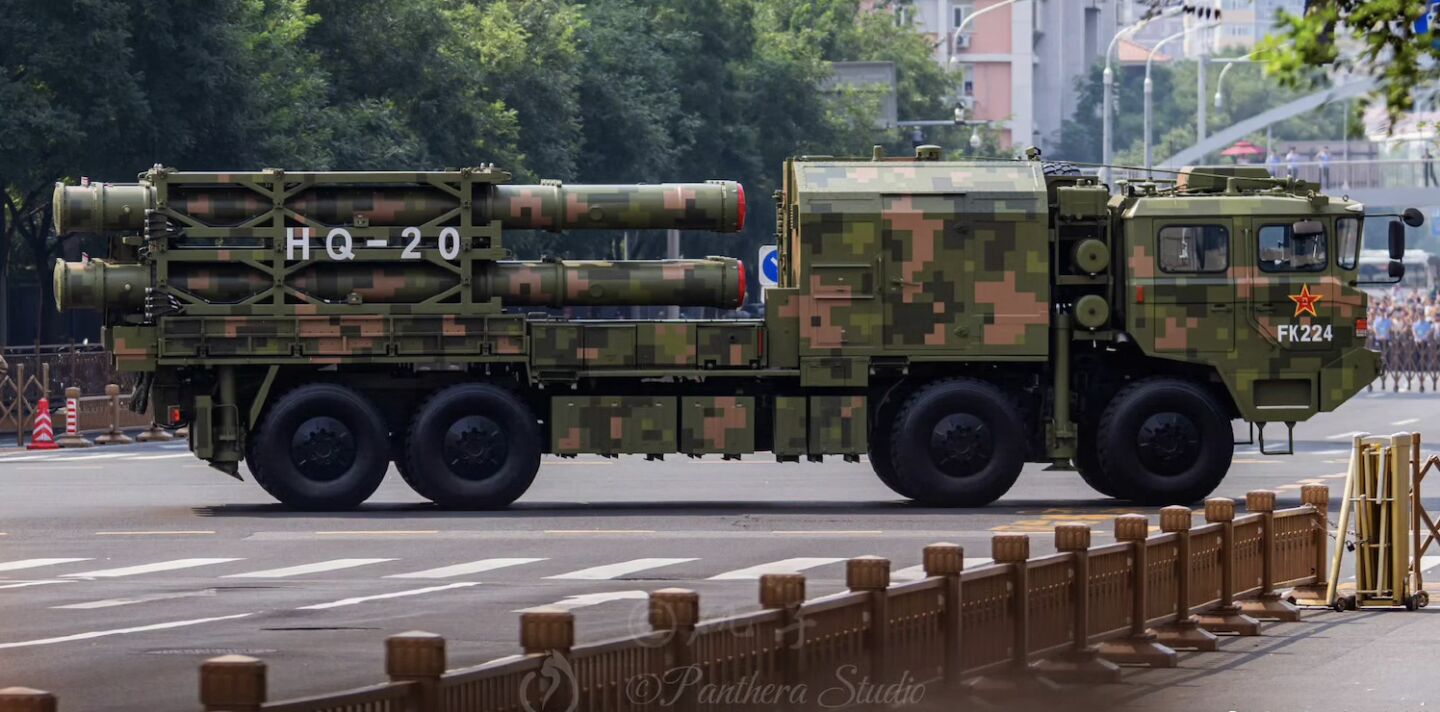
Launcher from Chinese HQ-22 Air Defence System
The Chinese HQ-20 medium range air defence system has been seen for the first time in frontline service in the People’s Liberation Army, following the system’s unveiling in October 2025. The publication of the system in live-fire exercises has gained particular attention because relatively little was known about the system. China’s state media described the event as demonstrating a multi-layered air and missile defence network, with the HQ-20 displayed alongside the HQ-11, HQ-22A, HQ-9, HQ-19 and HQ-29. The arrangement illustrated an increasingly differentiated Chinese approach in which different interceptor classes are assigned to different portions of the altitude and range spectrum, while being connected through a wider network of radars, data links, and command systems.
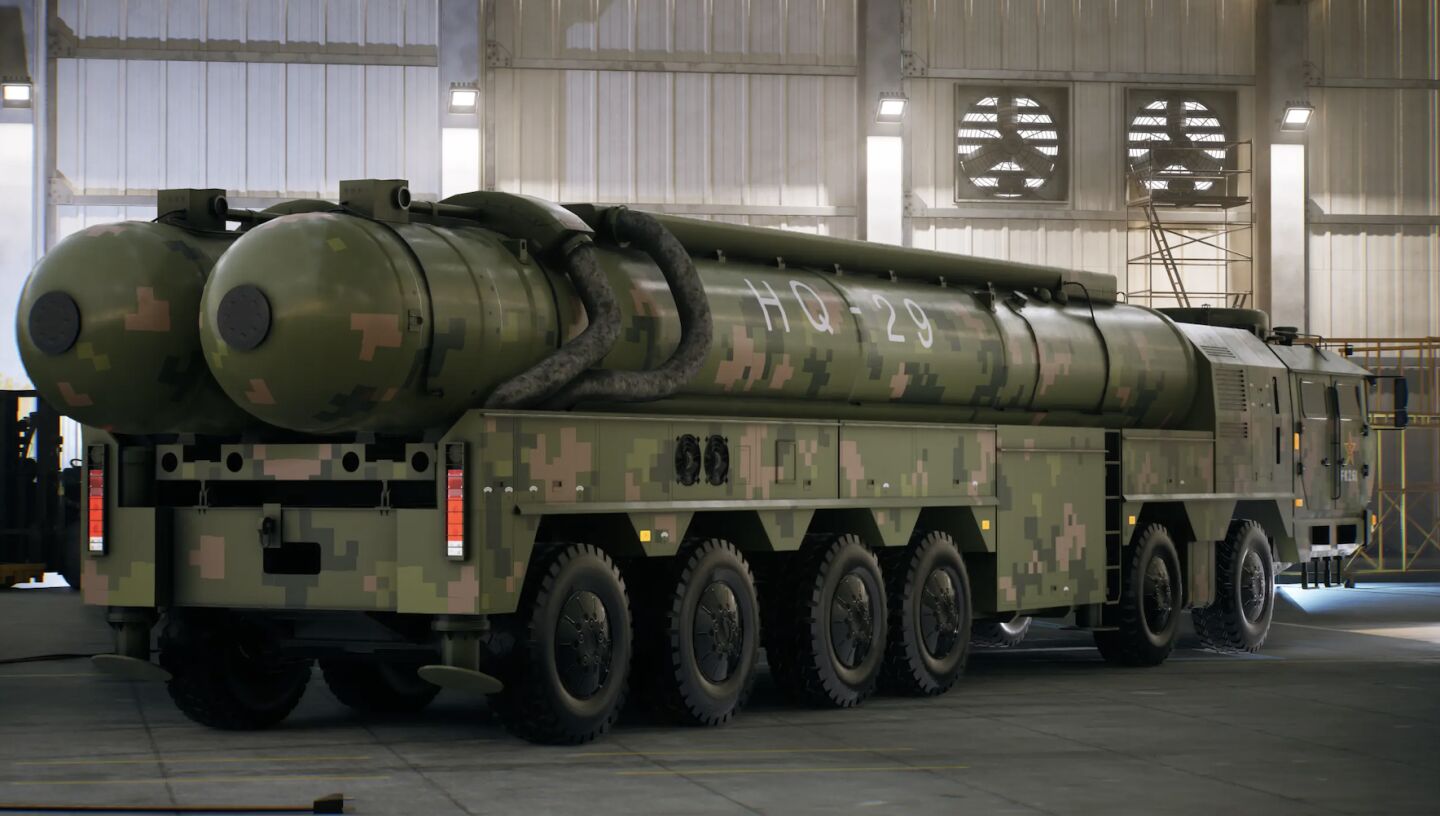
While Russia and North Korea have invested disproportionately in fielding advanced ground-based air defence systems at the expense of fighter aviation, and countries in the Western world have made relatively minimal investments in air defence and prioritised aviation, China has remained a world leader in both areas simultaneously. Ground-based systems were designed to complement the capabilities of fighters and AEW&C systems such as the J-20 and KJ-500, with aviation assets able to serve as force multipliers for them, including by providing targeting data. Aviation assets are considerably more costly to operate, however, which has led ground-based systems to be considered more cost effective for many defensive roles. The Russian-Ukrainian War has highlighted the critical importance of medium range systems, with the HQ-20 expected to be one of the premier systems in this category.
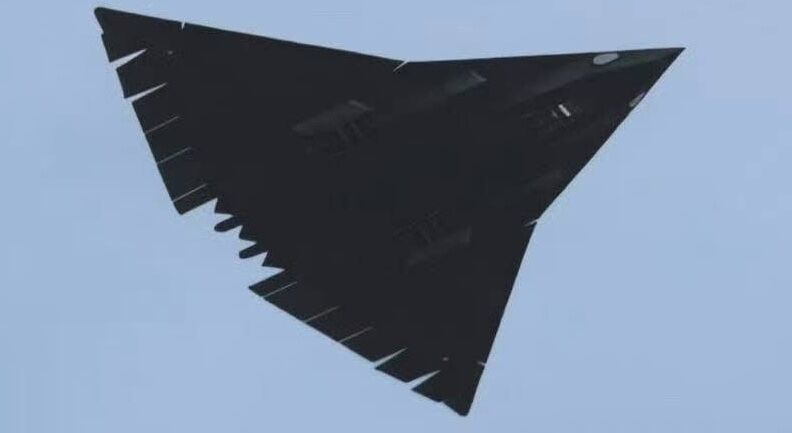
The HQ-20 uses a large eight-wheeled transporter-erector-launcher carrying eight relatively slender missile canisters. The configuration superficially resembles the launcher architecture of the much larger HQ-9 family, but the greater number of smaller interceptors gives the HQ-20 a substantially higher ready-to-fire missile count per vehicle. The system is expected to serve as a direct successor to older variants of the HQ-16. This configuration points towards the system’s principal purpose of providing a dense intermediate layer between China’s shorter-range air defence systems and its most powerful long-range interceptors.
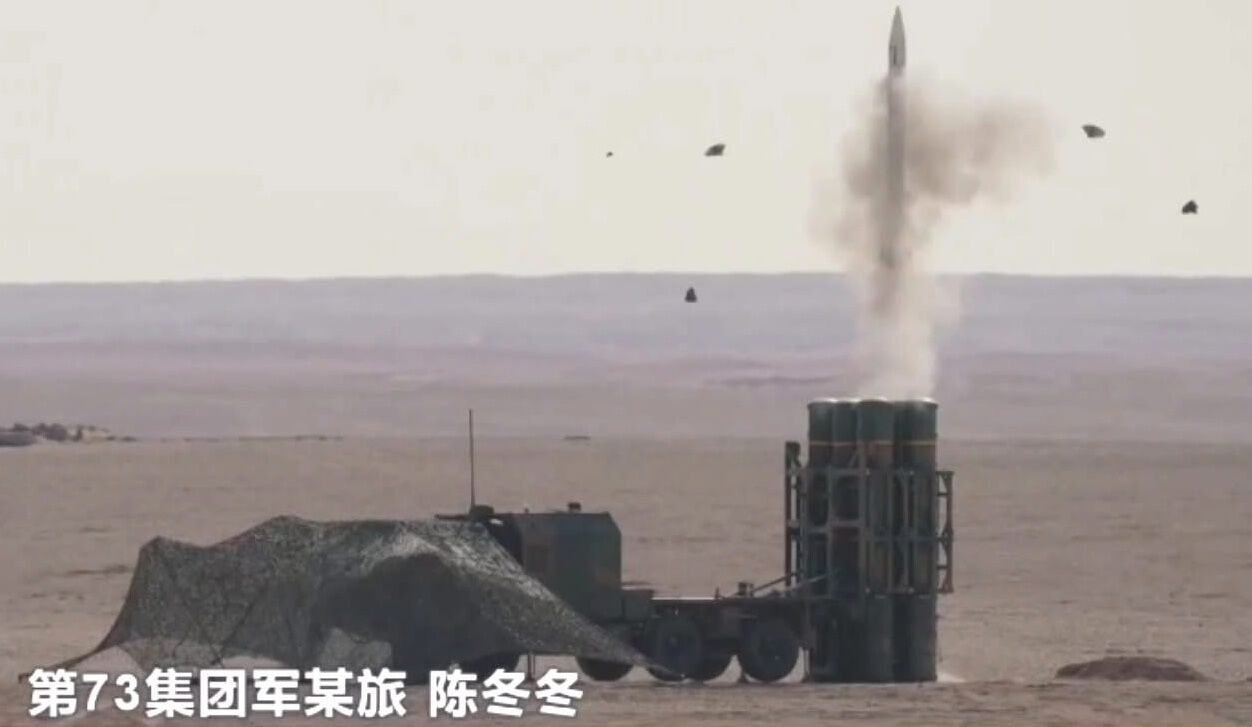
Open-source assessments generally place the baseline HQ-20 in the medium- to upper-medium-range category, although precise engagement ranges have not been officially disclosed. Estimates have varied considerably, with some sources placing the system’s effective range at approximately 150–160 kilometres, while other assessments have suggested substantially different figures. The system employs vertical launch architecture as all modern Chinese air defence systems have, allowing its missiles to be fired without first turning the entire transporter towards an incoming target, which is a feature the United States is currently seeking to realise for its own primary air defence system the MIM-104 Patriot.
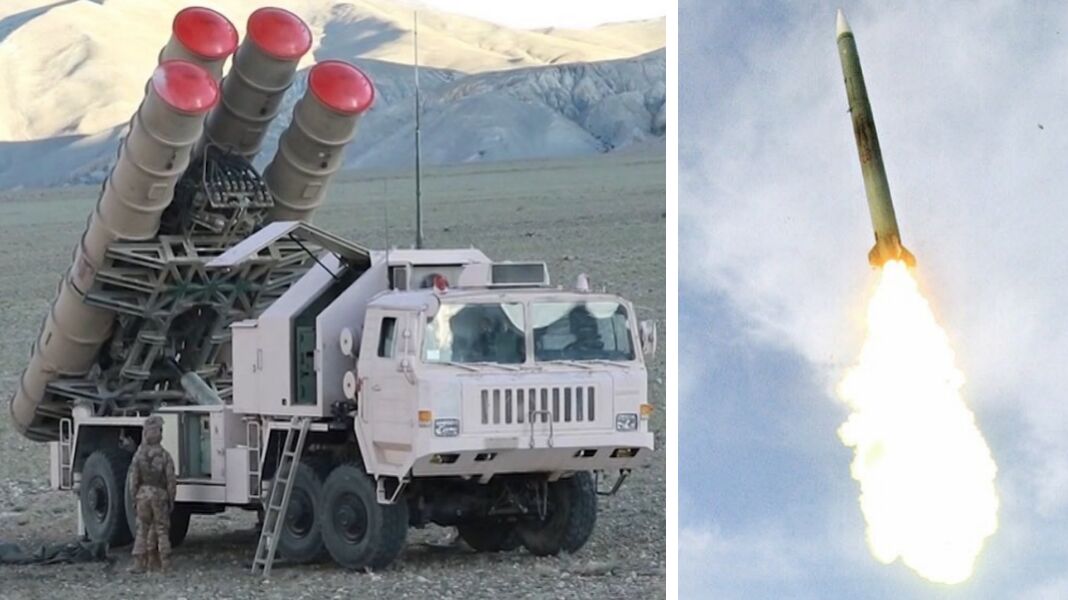
Each launch vehicle from the HQ-22 system can carry eight ready-to-fire interceptors before requiring a reload, providing substantially greater missile density than launchers carrying fewer larger weapons. This is increasingly important because modern air defence formations face not only expensive aircraft and ballistic missiles but also large numbers of comparatively inexpensive unmanned systems and cruise missiles. A system capable of placing more interceptors immediately into the engagement zone can potentially sustain a higher rate of fire during a saturation attack. It adds a dense intermediate layer in which greater numbers of somewhat smaller interceptors can be deployed against targets that do not necessarily justify the use of China’s largest surface-to-air missiles like those from the HQ-9 family.
