
Canada Joins British-Japanese Stealth Fighter Program: Diversifying Away from the F-35 Sacrifices Combat Potential
Military Watch Magazine Editorial Staff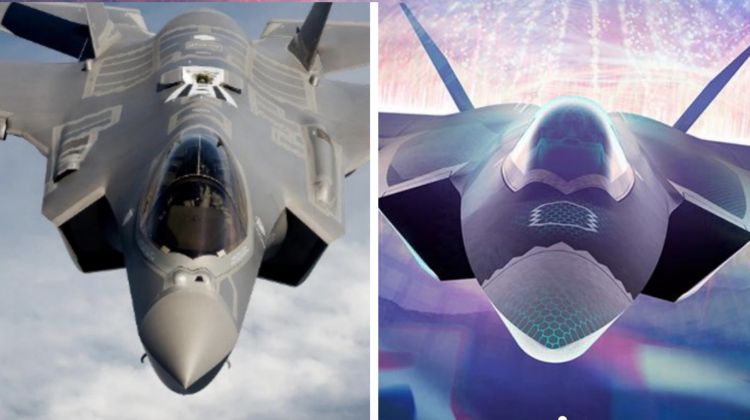
F-35 (left) and GCAP Fighter Artwork
Canada has agreed to join the Global Combat Air Programme (GCAP) stealth fighter program, which is currently being led by the United Kingdom and Japan, which represents a major landmark efforts by Ottawa to diversify its defence partnerships and procurements away from the United States. This follows reports in early April Canada had sought to join as an observer, which would allow the Canadian Defence Ministry to access selected classified program information without joining the development phase or sharing a similar burden of development costs. The program was launched in December 2022 through the merger of Britain's Tempest program and Japan's F-X fighter initiative, with Italy participating as a founding partner, albeit one with a much more limited technological base.
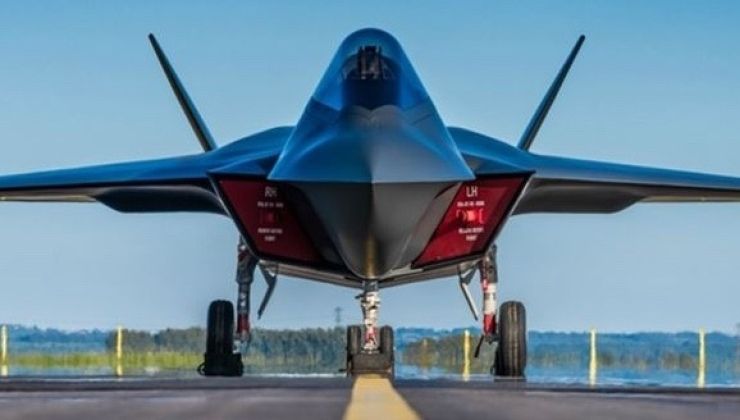
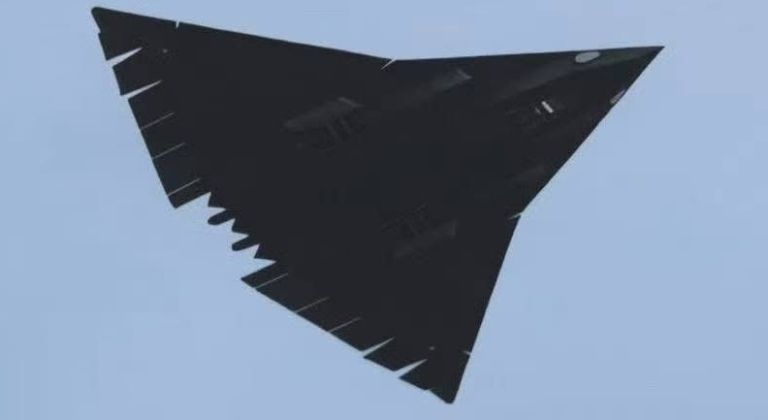
Although marketed as a sixth generation stealth fighter program, the Global Combat Air Programme is optimistically expected to produce a ‘5+ generation’ aircraft comparable to enhanced variants of the U.S. F-35 and Chinese J-20, rather than a peer level competitor to the U.S. F-47 or Chinese J-XX. The record of European fighter programs, and complex weapons programs more broadly, over the past half century, has led analysts to proceed that the GCAP is unlikely to produce a competitive aircraft, much like the Tempest and Tornado fourth generation fighter programs that preceded it. The larger technological bases and higher levels of efficiency demonstrated in U.S. and Chinese programs, has raised serious questions regarding whether the fighter produced by GCAP will be competitive with future variants of the F-35, as the fighter is brought up to the Block 4 and later Block 5 standards.
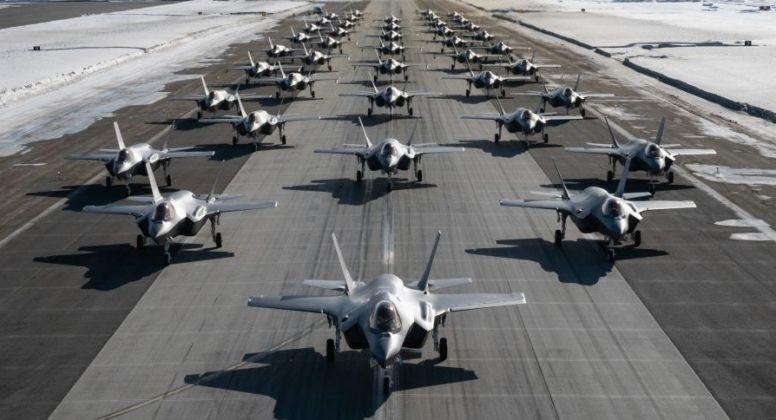
Analysts have widely observed that the F-35 is a considerably more practical and capable choice for Canada than the GCAP fighter for several reasons related to timing, capability, geography, interoperability, and industrial risk. The F-35 is already in full-rate production, with more than 1,300 aircraft delivered worldwide and a mature global training, logistics, and maintenance network, while Canada has already purchased 16 F-35A fighters an initiated payments for 14 more. The GCAP fighter thus not only presents far higher risks, but will also impose a logistics burden by diversifying the fleet. Another major advantage is interoperability with the United States. Canada conducts the overwhelming majority of its high-end air operations alongside the U.S. Air Force through NORAD and NATO. The United States is by far the largest F-35 operator, and virtually every future American air operation will revolve around F-35s.
Industrial participation also favours remaining within the F-35 program. Canadian firms have secured billions of dollars in long-term contracts producing components for every F-35 built globally. Because the program distributes work competitively across participating nations rather than allocating production solely according to aircraft purchases, Canadian industry continues to benefit regardless of where the aircraft are ultimately delivered. Joining GCAP at this stage would not necessarily provide equivalent industrial returns, particularly as the United Kingdom, Japan, and Italy already possess established workshare arrangements.
