
Britain Begins Producing Eurofighters for Turkey: Resumed F-35 Procurements Will Quickly Sideline Them
Military Watch Magazine Editorial Staff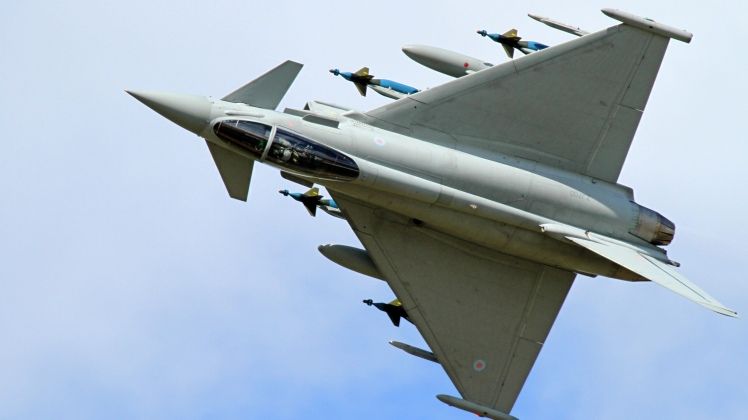
British Royal Air Force Eurofighter
British defence manufacturer BAE Systems has begun production of the first Eurofighter Tranche 4 combat jets to equip the Turkish Air Force, providing the service with its first ‘4+ generation’ fighters to modernise its currently obsolete fleet. Manufacturing has commenced at BAE Systems' facilities in Warton and Samlesbury in northwest England, with components also being produced by the Eurofighter consortium's industrial partners across Europe. Initial deliveries are expected to begin in 2030, with production spread over several years. According to recent reports, the delivery schedule is expected to include six aircraft in 2030, eight in 2031, and the remaining six in 2032, although this timeline could evolve as production capacity expands.
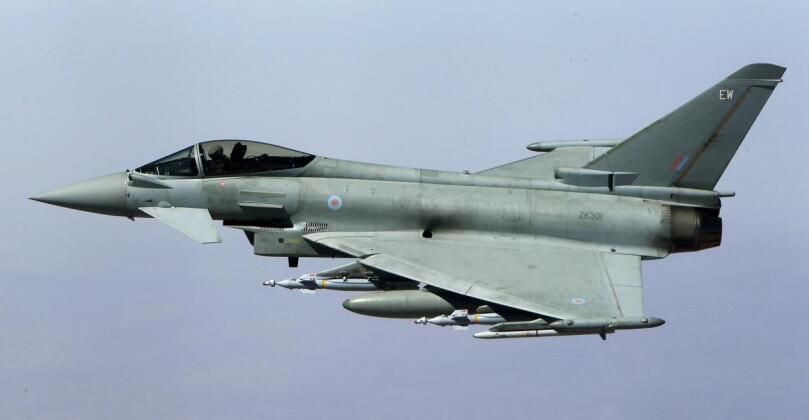
The United Kingdom and Turkey in October 2025 signed a £5.4 billion ($7.2 billion) contract for the sale of 20 Eurofighters, with British sources reporting an agreement for a further £2.6 billion ($3.5 billion) for modernisation kits. At $360 million each, this makes the Eurofighters among the most costly combat jets ever exported, exceeding the already highly controversial prior sale of Eurofighters for $321 million each to Kuwait. The more advanced F-35A fifth generation fighter has consistently been exported for well under $150 million per aircraft, with Finland having purchased 66 of the fighters for $147 million each including extensive technology transfers and local manufacturing. The Eurofighter has lost every tender in which it has competed against the F-35, and has been able to sustain production primarily due to continued orders from the partner countries which developed it.
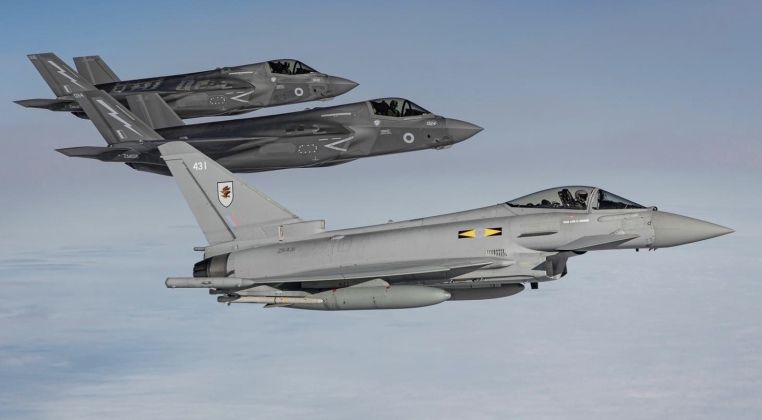
With the Eurofighter having struggled on export markets, and other than a small sale to Austria in the early 2000s, previously achieved no sales outside the Gulf region, sales to Turkey provide a much-needed contribution to sustaining production rates. BAE Systems Chief Executive Charles Woodburn recently stated that annual output is planned to rise from approximately 12 to 14 aircraft per year to nearly 30, with new orders coming primarily from program partners Germany, Spain and Italy. As these three European states continue to raise defence spending levels, all are expected to place followup orders, although the fourth partner in the program, the United Kingdom, has confirmed that it will not place orders as it procures the more advanced F-35A fifth generation fighter.
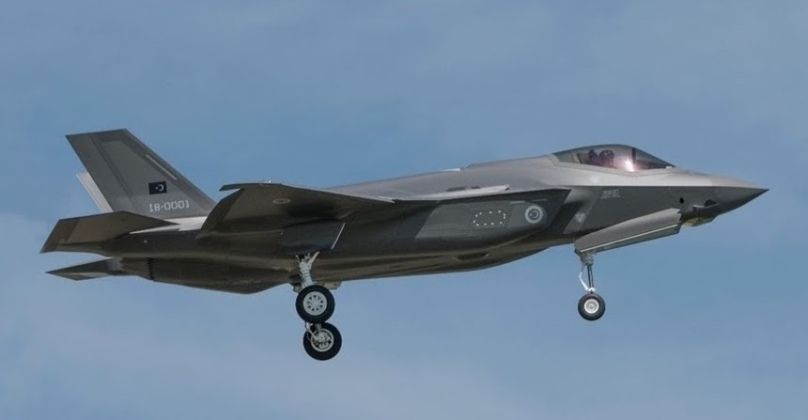
Following confirmation in early July that the United States and Turkey had reached a breakthrough in negotiating the latter’s return to the F-35 fifth generation fighter program, it is expected that the Eurofighters already ordered will be sidelined within the fleet. The possibility of procuring F-35s will likely end Turkish interest in acquiring further Eurofighters, with the aircraft having been procured due to an inability to acquire new F-16 Block 70 or F-35 fighters from the United States, both of which are considered far more cost effective. While competition from the F-35 has been the most conspicuous factor curbing Eurofighter sales, the fighter’s competitiveness against other fighter types such as the F-18E/F and Rafale have also been brought into question, particularly before the 2020s as the fighter program was the last in the world to rely on old mechanically scanned array radar technologies.
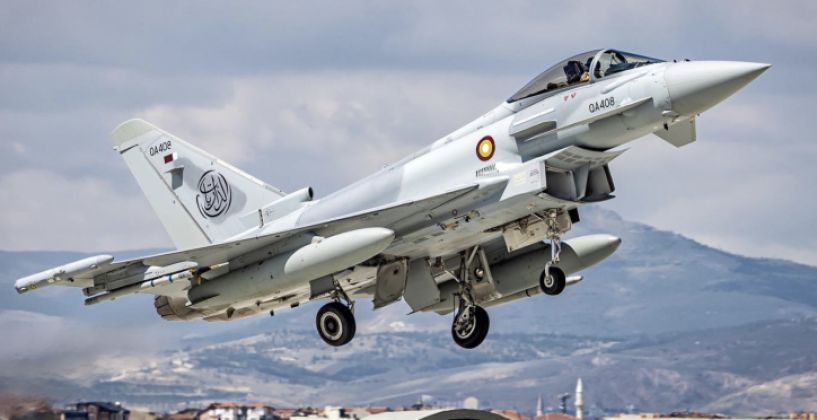
The Eurofighter’s combat potential has widely been reported to suffer from serious limitations, with reports from Saudi Arabia and Oman, both of which procured the aircraft, indicating that it has compared poorly to even much older American fighter types. Multiple sources have in 2026 confirmed that Qatar Emiri Air Force Eurofighter combat jets, which were some of the first with Tranche 4 technologies, lost overwhelmingly to J-10C fighters operated by the Pakistan Air Force in simulated air-to-air engagements. The Zilzal-II exercises in Qatar in January 2024 saw the J-10Cs achieve a 9-0 score during engagements. In 2025 it was confirmed that the Qatar Emiri Air Force was seeking to retire its 24 Eurofighters from service, just three years after they began deliveries to the country in 2022. The J-10C is notably by far the cheapest and least capable fighter type being procured by the Chinese People’s Liberation Army.
