
B-2 Stealth Bomber Pilots Detail Flight Around the World to Strike Iran’s Best Fortified Nuclear Facilities
Military Watch Magazine Editorial Staff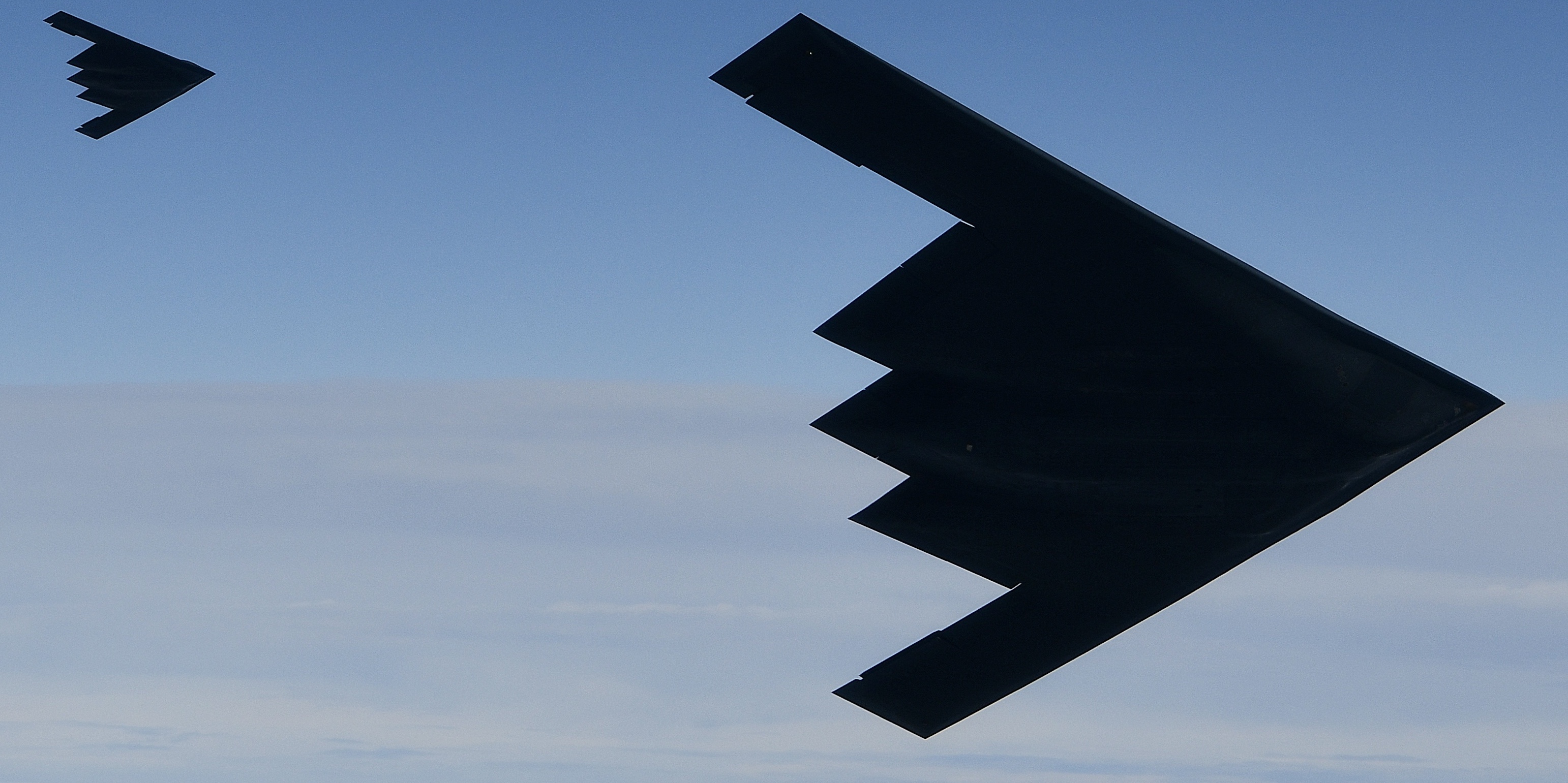
U.S. Air Force B-2 Spirit Intercontinental Range Strategic Bomber
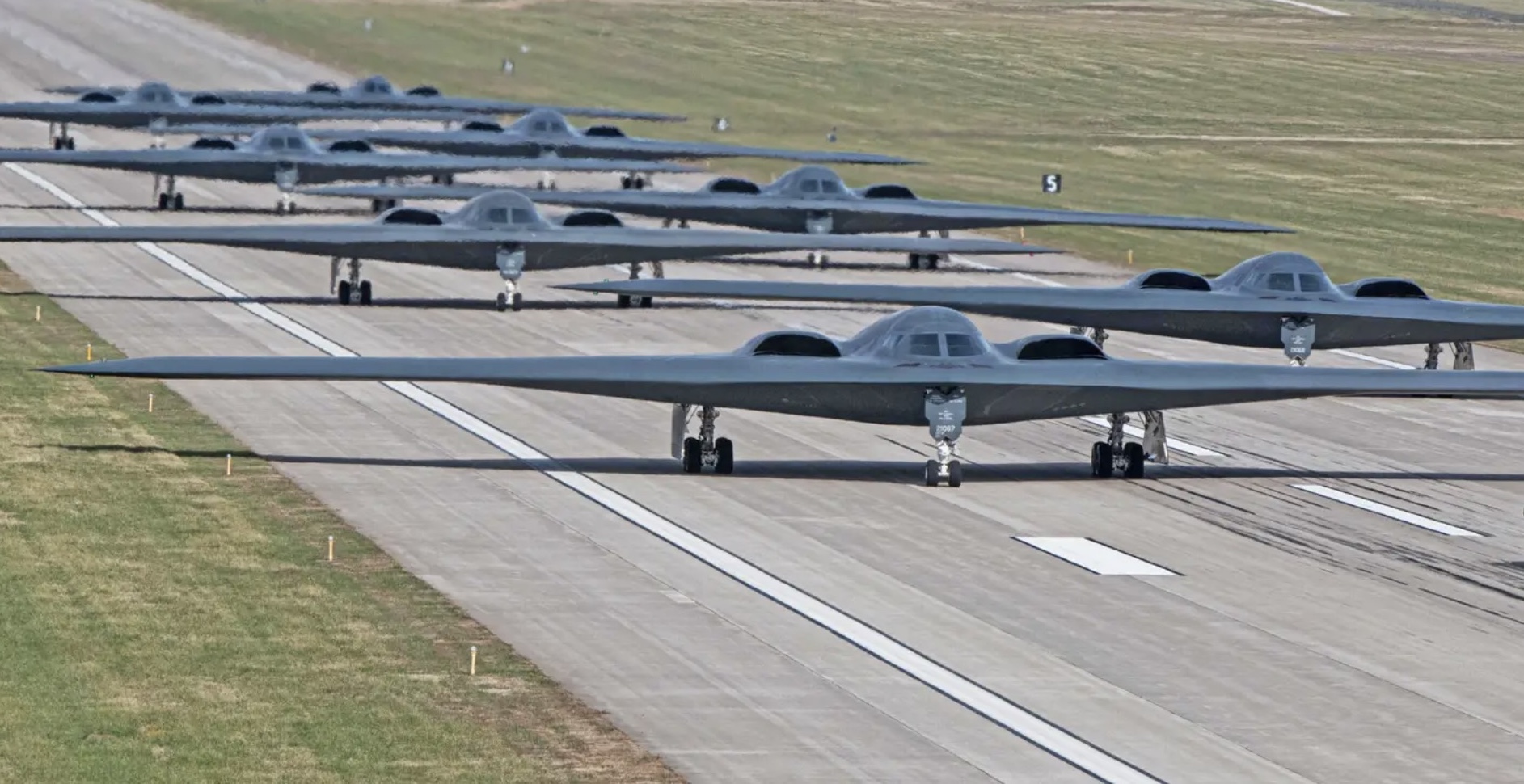
United States Air Force B-2 Spirit intercontinental range strategic bomber crews who flew a 37 hour mission to strike Iranian nuclear facilities on June 21-22, 2025, have provided details on their mission, which involved seven aircraft flown by 14 airmen. U.S. analysts began studying the deeply buried Fordow nuclear complex constructed in Iran with North Korean support after satellite imagery revealed work underway in 2009, with the B-2 having from the outset been considered the optimal aircraft for neutralising it. Airmen recalled that the immediate planning accelerated in 2025 as tensions with Iran grew, leading up to Operation Midnight Hammer which brought the U.S deeper into the then ongoing war between Iran and Israel.
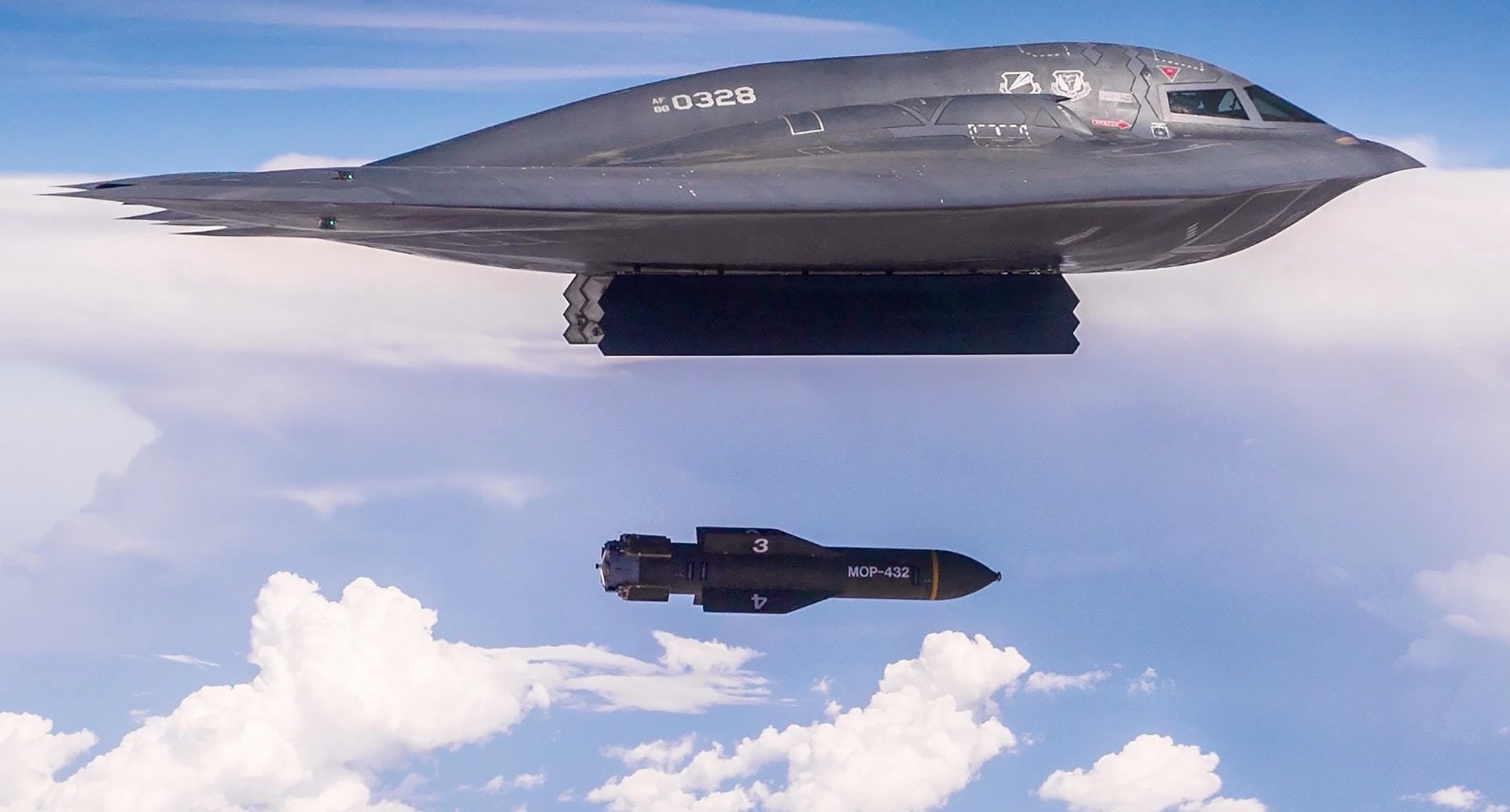
Crews and planners had to coordinate the B-2s with fighter escorts, tankers, communications aircraft and other forces, while working out routes, timing, weather contingencies and rescue plans. Tanker availability was a major constraint because the bombers and their escorts needed repeated refuelling over the long journey. According to the airmen’s account, keeping the attack secret was another central challenge. Seven B-2s taking off together risked attracting attention, so other bombers flew west in a visible diversion that encouraged observers to think the aircraft were heading elsewhere. The mission crews departed under strict secrecy. The final plan continued to change until shortly before take-off.
The flight itself was an endurance test. The pilots managed navigation, checks, weapons systems and repeated refuelling, taking short naps in the cramped aircraft when they could. As they approached the mission area, they prepared for the possibility of ejection over hostile territory. Events on the ground forced another late adjustment. During the days before the strike, Iran had reportedly placed concrete over ventilation shafts at Fordow. The original plan had relied on attacking those shafts, so crews revised the sequence: the first bombs would break through the concrete, and the following weapons would strike the facility below. Six B-2s were assigned to Fordow, while a seventh flew to Natanz, which had already been attacked by Israel. Submarine-launched Tomahawk missiles struck a third site, Isfahan.
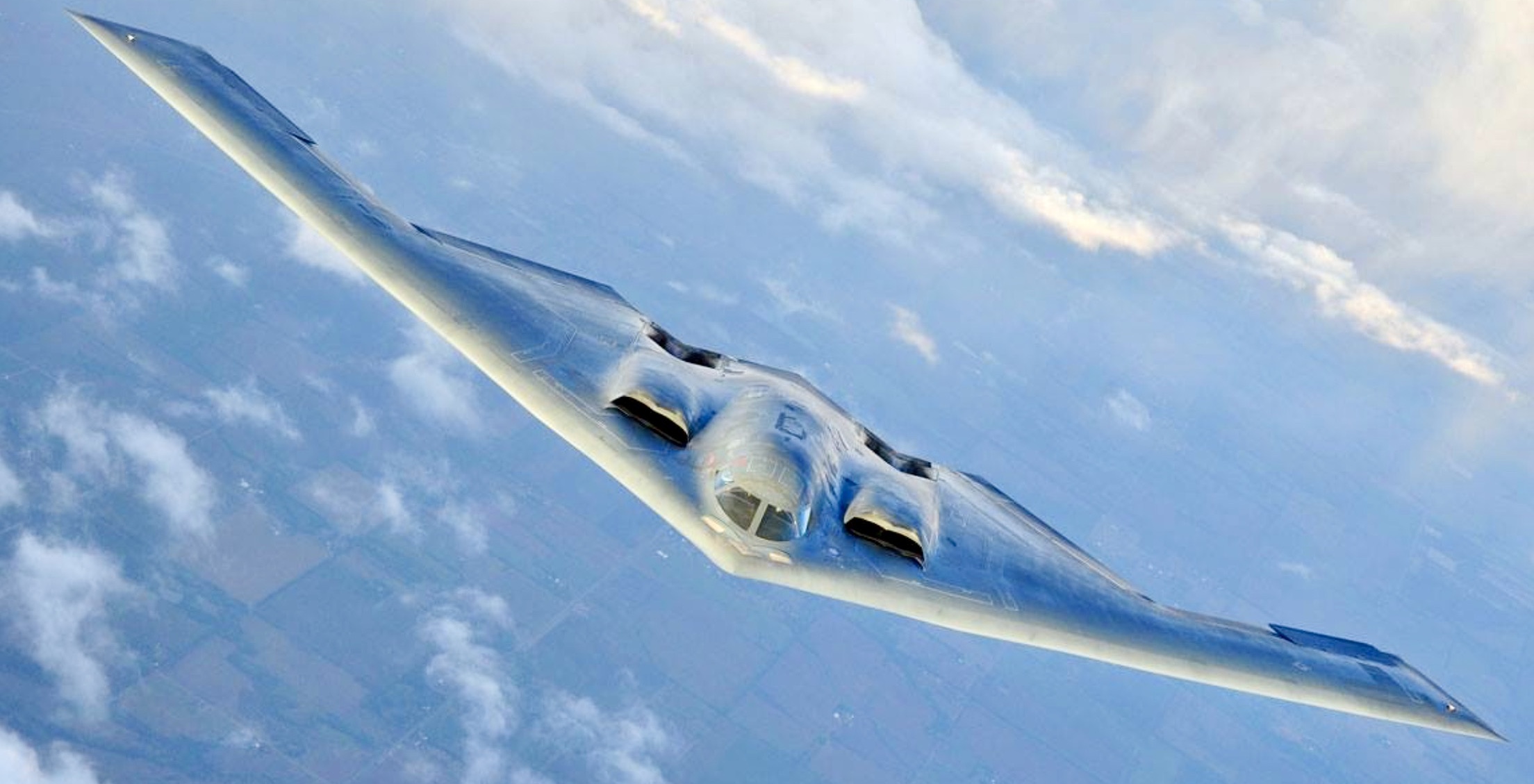
The release of GBU-57s was detailed as a precisely timed sequence. The lead bomber was to hit the concrete cover; later aircraft would follow at short intervals, with crews prepared to alter their weapons’ settings if the first strike did not go as planned. Pilots watched for signs that the bombs had detonated as intended. The article recounts the crews seeing large explosions and assessed the Fordow enrichment facility was largely destroyed. Back at Whiteman Air Force Base in Missouri, where all B-2s are permanently based, they were greeted by their families, then received medical attention and took part in secure debriefings where they reviewed imagery of the targets.
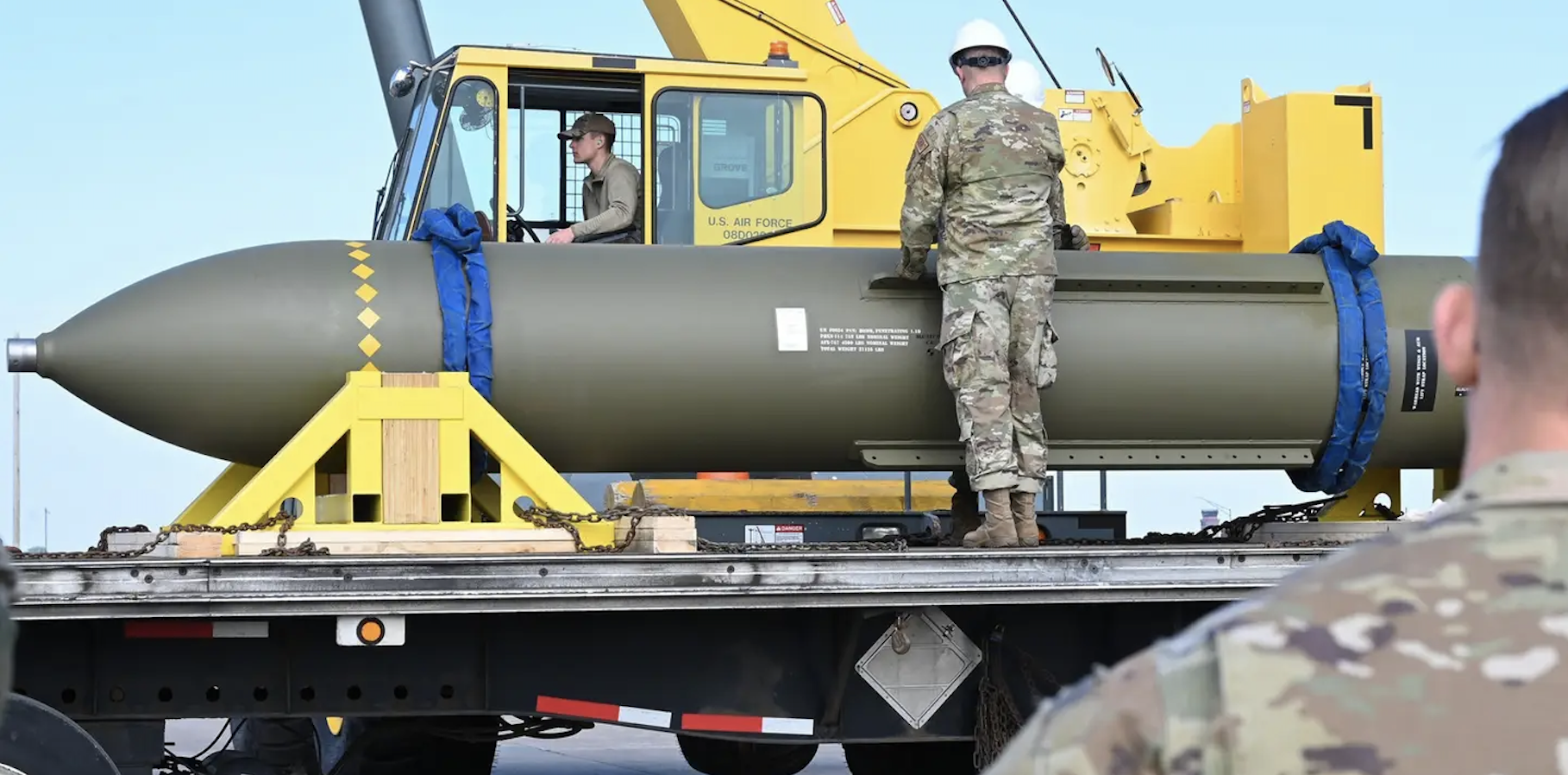
The B-2’s ability to penetrate fortifications without using nuclear force remains totally unique, due to its combination of stealth capabilities and a high weapons carrying capacity that allow it to drop GBU-57 bombs. The U.S. Air Force is nevertheless highly constrained in its ability to launch strikes against hardened facilities, with the GBU-57 inventory having been severely depleted following strikes in June 2025, and possibly in prior strikes on heavily fortified Yemeni targets in October 2024. The bombs cost approximately $370 million each. The Iranian Islamic Revolutionary Guard Corps has hardened key missile bases deep underground, often constructing them under mountains, which has been achieved with North Korean assistance, with the U.S. arsenal of penetrative bombs being wholly insufficient to launch strikes against these targets.
