
Azerbaijan Wants New Russian Fighter Jets: Here Are Its Most Likely Choices
Military Watch Magazine Editorial Staff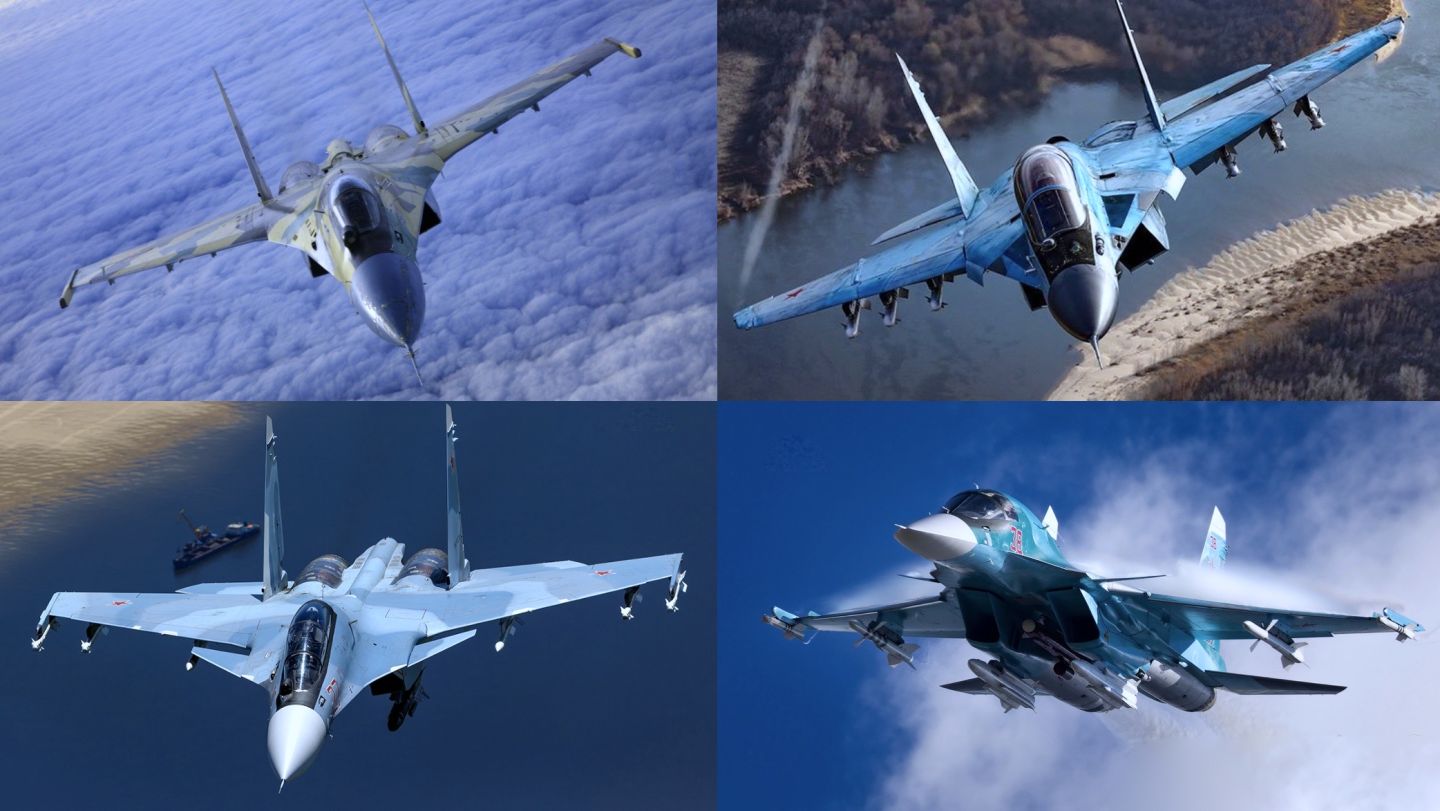
(clockwise from top left) Su-35, MiG-35, Su-34, Su-30SM Russian Fighters
Following considerable interest from Azerbaijan in acquiring new fighter jets from Russia, the country has received permission to purchase modern fighter jets to replace its Soviet-era fleet of MiG-29A fourth generation platforms. Interest in a new fighter comes as neighbouring Armenia has begun to receive it’s first Su-30SM heavyweight fighters from Russia after placing an order for six of the aircraft, which while few in number have a much larger combat potential than the entire Azeri Air Force due to their massive qualitative advantages. Azerbaijan’s southern neighbour Iran also appears set to purchase new fighter jets after the lifting of a UN arms embargo in 2020, with high end ‘4++ generation’ fighters such as the J-10C and MiG-35 among the leading contenders to modernise the country’s fleet.
Russia currently produces over half a dozen classes of fighter for export, from the Yak-130 fighter-trainer at the very low end to the Su-57 next generation heavyweight air superiority fighter at the high end. Given the requirements of the Azeri Air Force and the limitations of its defence budget, neither of these are likely to be selected. Other possible options including the MiG-29M and Su-30MK2 are unlikely to be selected as they fail to provide qualitative parity with Armenia’s Su-30SM, or with designs Iran is expected to soon acquire. The small size of the Azeri Air Force means that a highly specialised strike platform such as the Su-34 is also unlikely to be considered - leaving three possible candidates for fleet modernisation. The Su-35 is the second most costly Russian fighter in production and the most capable fighter ever to have been exported by any country. Although costly, as a member of the Commonwealth of Independent States (CIS) Azerbaijan will be able to purchase the jets at concessional prices would could make a small squadron of 6-12 jets affordable. The Su-35 retains a considerable performance advantage over existing Armenian and Iranian aircraft, and would provide a major boon to Azeri aerial warfare capabilities.
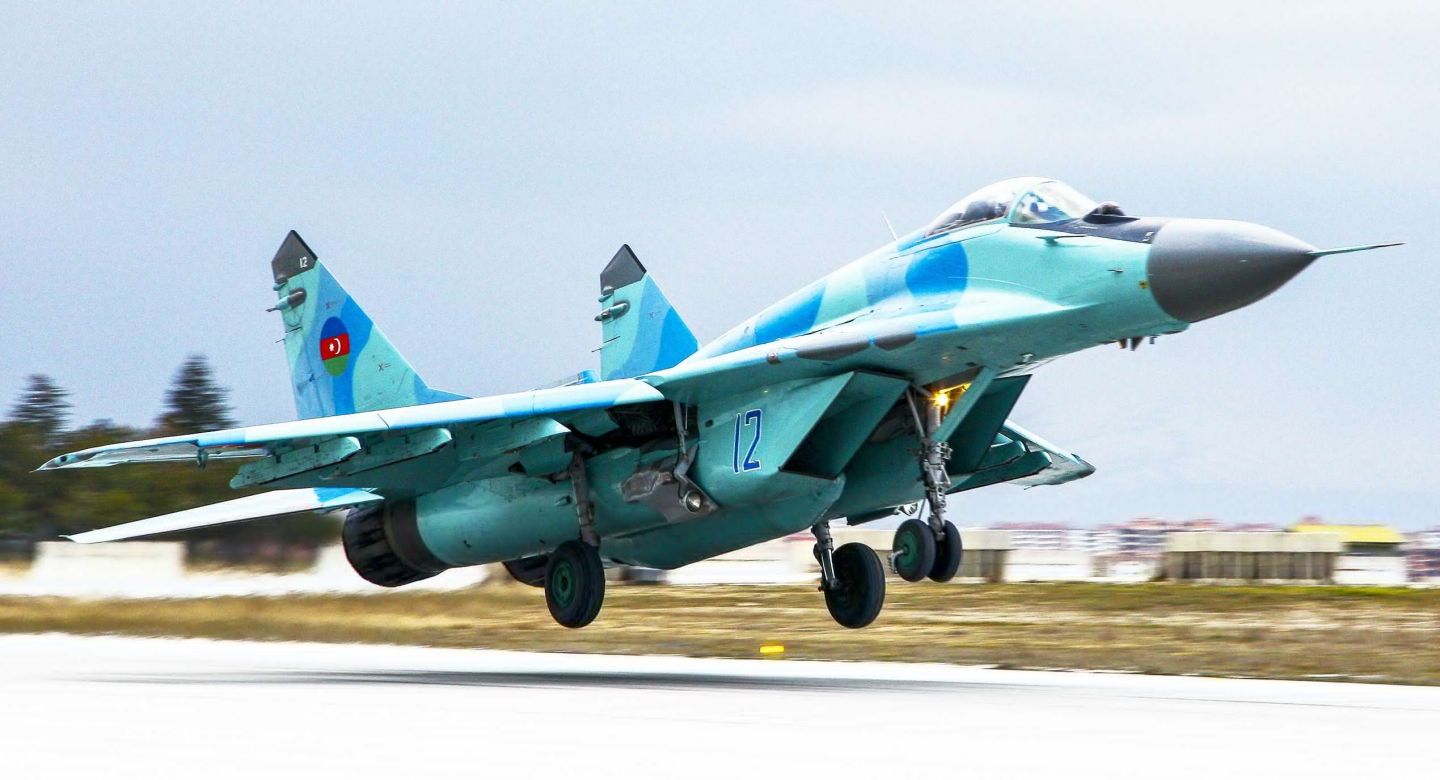
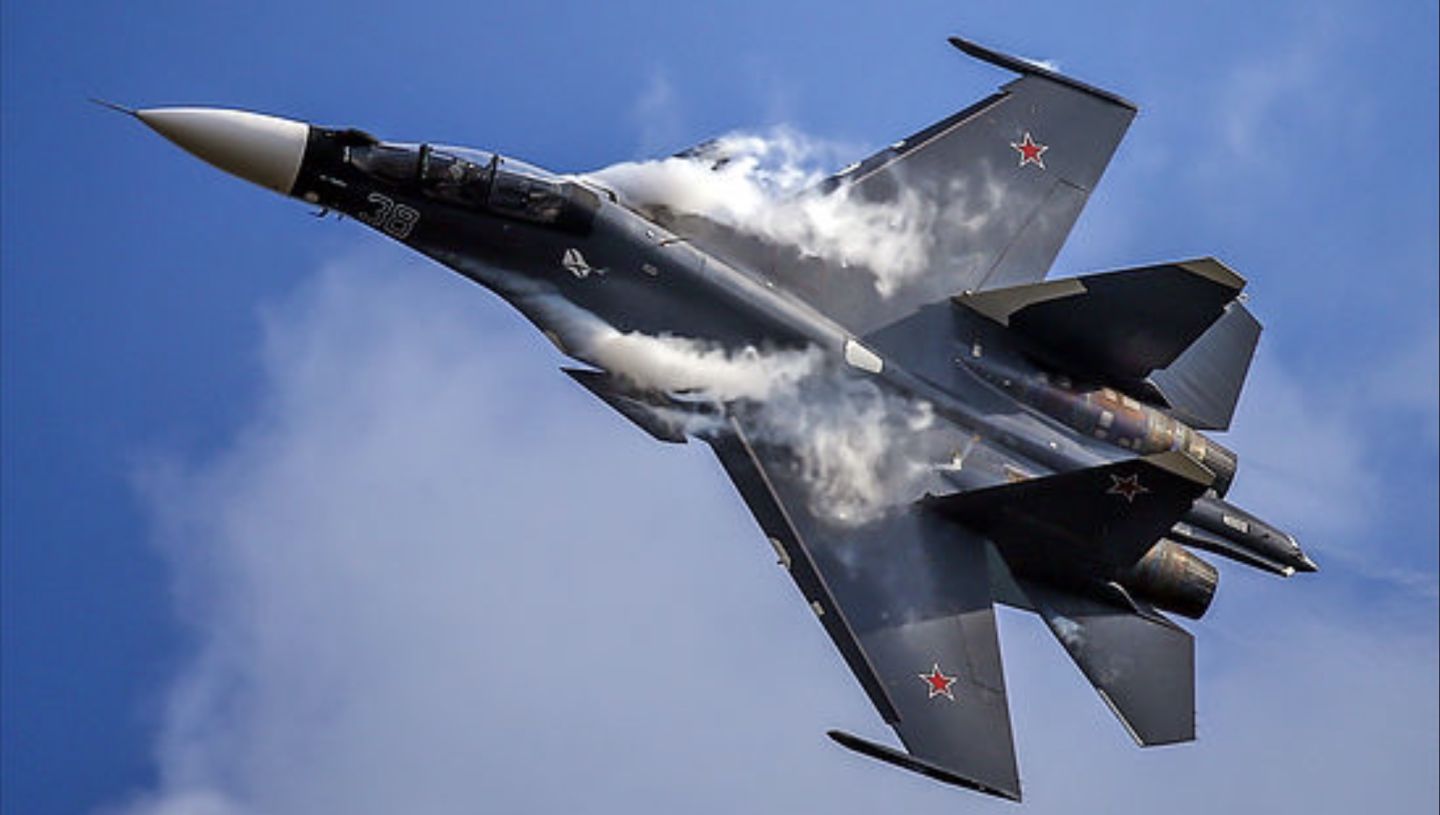
Two other likely possibility for the Azeri Air Force will be the purchase of the Su-30SM or MiG-35 fighters. The Su-30SM would provide Azerbaijan with the same capabilities as its Armenian neighbour, although the jets could potentially be fielded in larger numbers to provide an advantage. More likely, however, is the purchases of lighter MiG-35 ‘4++ generation’ medium fighters. The MiG-35 is technologically on par with and in some respects ahead of the Su-35, and is the first Russian fighter to integrate an AESA radar. The fighter is prized for its low operational cost meaning it can be fielded in much larger numbers, and is compatible with much of the same maintenance infrastructure from Azerbaijan’s existing MiG-29 fleet. Similarities between the two designs will allow pilots to transition easily to flying the new jets. Azerbaijan’s Defence Ministry reported in the first week of April that the country’s pilots have test flown MiG-35 jets in Russia, indicating that this is likely to be the Air Force's first choice. The jets are more manoeuvrable than the Su-30SM with three dimensional thrust vectoring engines, and although shorter ranged and carrying less weapons their electronics are of a similar level of sophistication. The MiG-35 partially compensates for its smaller radar relative to the Su-30SM with a more sophisticated radar design meaning its disadvantage in situational awareness is reduced considerably. It remains uncertain what Azerbaijan will do with its MiG-29A fighters, and whether these could be sold on second hand. Russia has in the past offered to purchase old MiG-29 fighters from countries which seek to replace them with the MiG-35.
