
Looming Ukrainian ATACMS Strikes Place Sensitive Targets Hundreds of KMs Into Russia at Risk
Military Watch Magazine Editorial Staff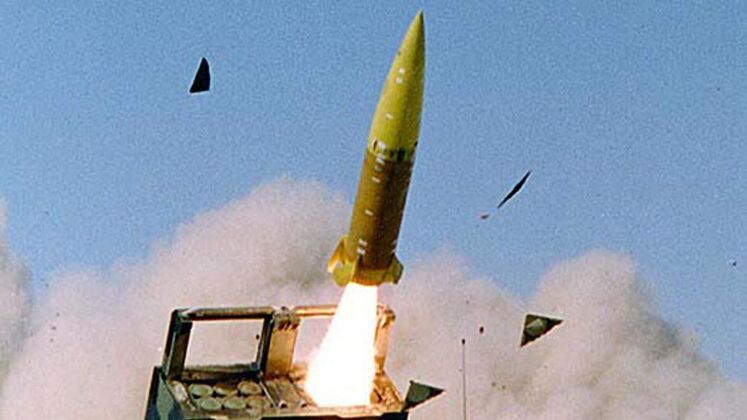
ATACMS Launch
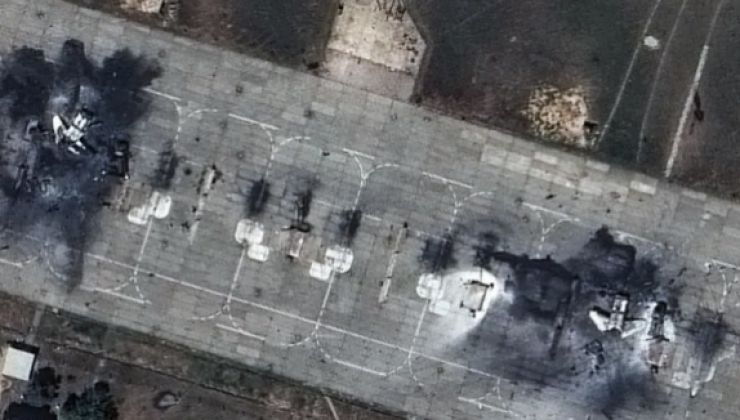
The U.S. State Department is expected to permit the Ukrainian Armed Forces to employ U.S.-supplied ATACMS ballistic missiles to strike targets at will across Russian territory. Attacks were previously limited to territory internationally recognised as Ukrainian, namely the disputed Donbas regions, as well as the Crimean Peninsula. Attacks on these territories, which in Crimea’s case has been integrated into the Russian Federation for over a decade, has raised considerable controversy, particularly after an ATACMS strike using cluster munitions killed tourists on a Crimean beach in June, and more recently struck densely populated civilian targets in the Donbas. Strikes have also focused on high value military targets, a notable example being the NIP-16 Deep Space Communications site in Vitino on Crimea which was targeted in June, and Belbek Air Base also on Crimea where MiG-31 interceptors were destroyed in May 2024. It is expected that strikes inside internationally recognised Russian territory will be aimed at both civilian and military targets, continuing the trend on how ATACMS have already been used.
Ukrainian forces have notably launched strikes deep into Russian territory on several occasions using drones, which have no similar restrictions imposed by their suppliers. Drones have been used against targets ranging from apartment blocks on the Moscow region, to Morosovsk Airfield in Russia’s Rostov region which was attacked with over 70 drones on June 13, and before that a Voronezh-DM early warning radar system at the Armavir Radar Station in Russia's southwestern Krasnodar Krai. It has been speculated that radar installations and airfields would be primary targets for future ATACMS strikes on internationally recognised Russian territory much as they have been priority targets for drone strikes. Alongside ATACMS, the United Kingdom is reportedly expected to allow Storm Shadow cruise missiles to also be used to strike targets across Russian territory. The ATACMS system has the potential to devastate key civilian and military targets across a large swathe of Russian territory, with its precision guidance and advanced penetrative capabilities allowing it to threaten fortifications such as underground bunkers.
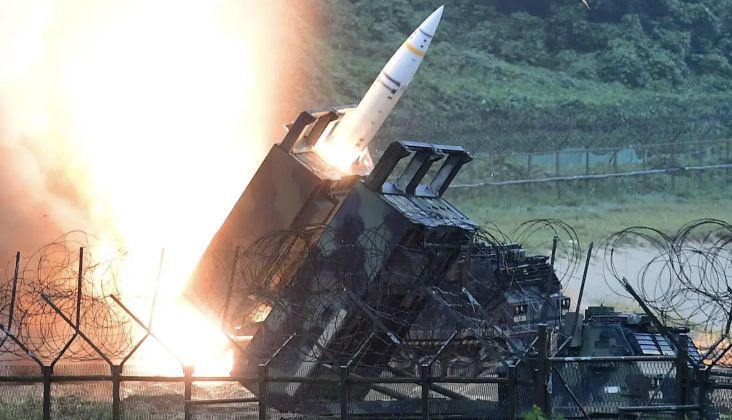
As Ukrainian forces face mounting defeats on the frontlines, escalation to use of ATACMS against a wide range of targets across Russia has been widely acknowledged by U.S. officials to pose a serious risk of escalation. It nevertheless has the potential provide a much needed reprieve to Ukrainian forces on the frontlines by causing disruption within Russia. One of the officials who has warned of such consequences is Secretary of State Anthony Blinken, who notably also asserted shortly afterwards on September 11 that NATO’s expansion to include Ukraine was a certainty - a further escalation which crosses Moscow’s longstanding red line. Beyond use of nuclear weapons, it remains uncertain how Russia could respond, although the confirmed transfer of Iranian ballistic missiles to the country earlier in the month raises the possibility that Russian forces could significant intensify strikes on Ukrainian targets. NATO’s ability to destroy sensitive targets across Russia by supplying missiles, targeting data and supporting personnel, while Russia itself is unable to retaliate proportionally against targets in NATO member states, has been widely interpreted by analysts as a serious failure in escalation management by Moscow.
