
U.S. Lets Ukraine Fire Ballistic Missiles Deep Into Russia: Will Missile Early Warning Radars Be Their First Target?
Military Watch Magazine Editorial Staff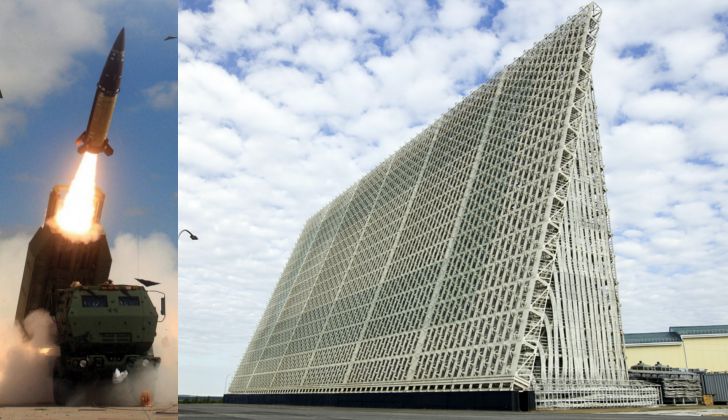
HIMARS Missile Launch and Voronezh Radar System
U.S. officials have confirmed that the Joe Biden administration has “recently” approved Ukraine’s use of U.S.-supplied weapons to strike territory internationally recognised as Russian. The implications of this are significant due to the approved and initially secret transfer of ATACMS ballistic missiles to the country in February, which provide Ukrainian forces with a much longer reach into Russian territory. Speaking to the U.S. media outlet The War Zone officials reported: “The President recently directed his team to ensure that Ukraine is able to use U.S.-supplied weapons for counter-fire purposes in the Kharkiv region so Ukraine can hit back against Russian forces that are attacking them or preparing to attack them.” Although this means significant limitations are in place, it has been increasingly speculated that Ukraine may strike a wider range of targets claiming that they were struck with non-U.S. systems. Britain, Poland and other NATO members have notably placed less restrictions on the use of their equipment, with British personnel in Ukraine playing a central role in facilitating the use of cruise missile systems to strike Russian targets. Facilitating Ukrainian strikes on a broader range of targets across Russia has been actively called for by the organisation’s secretary general Jens Stoltenberg.
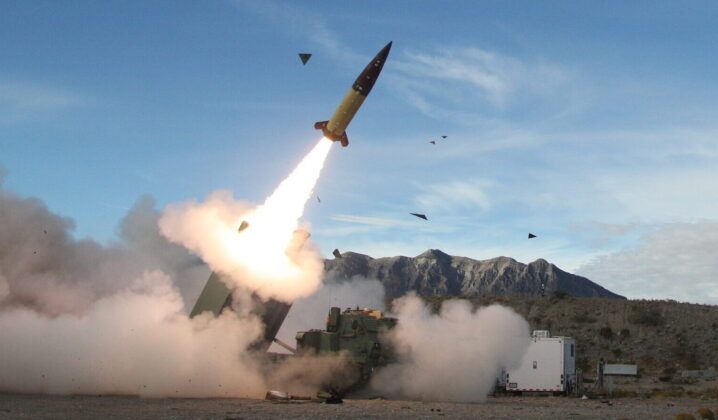
The granting of permission to strike targets within Russia notably comes a week after Ukrainian forces launched an unprecedented strike on a Voronezh-DM early warning radar system at the Armavir Radar Station in Russia's southwestern Krasnodar Krai. The over the horizon radar system, while of very limited value for operations in Ukraine itself, forms a core part of Russia’s early warning system against possible Western nuclear missile strikes. The attack has raised warnings within Russia that strikes from Ukrainian soil on assets associated with its nuclear forces could lead to an escalated response, possibly including striking Ukrainian supply lines that spread across its borders into neighbouring NATO member states. Calls from influential figures in Russian media, including former officials, for Russia to carry out a nuclear detonation as a warning to its NATO adversaries, have also redoubled after having been voiced since late 2022. As Ukrainian forces continue to take major losses on the frontlines and quickly lose ground, Washington’s position represents a middle ground between providing an effective carte blanche as some of its European allies have done for Ukraine to strike Russia at will, and maintaining prior more strict restrictions.
