
America Wants Up To 80 Nuclear Attack Submarines Deployed By 2045 - Is It Affordable?
Military Watch Magazine Editorial Staff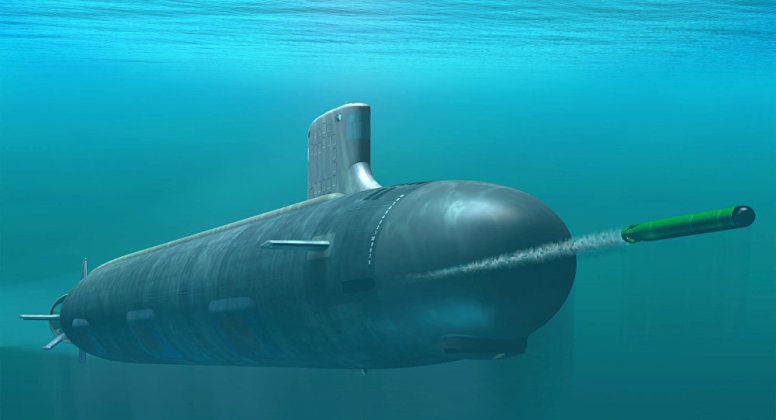
Nuclear Attack Submarine - artwork
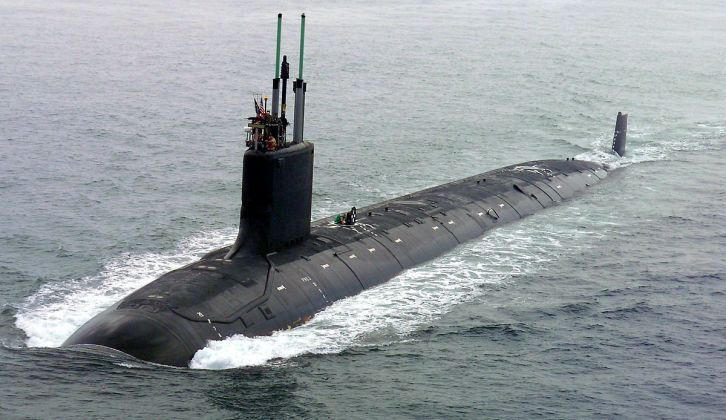
U.S. Secretary of Defence Mark Esper has announced that the Pentagon plans to expand the U.S. Navy‘s attack submarine fleet to up to 80 vessels by 2045, under part of a drastic and much broader fleet expansion plan named Battle Force 45. The secretary stated regarding these plans: "Under our proposal, Battle Force 45 will posses the following characteristics: first, a larger and more capable submarine force... The study reached a clear consensus on the need to rapidly increase [inaudible] of attack submarines, the most survivable strike platform in a future great power conflict, to the range of 70 to 80 in the fleet." Esper added that the Navy should, at the very least, quickly begin building three new Virginia Class submarines per year. The U.S. Navy currently fields the second largest attack submarine fleet in the world in terms of numbers of ships, the first being North Korea’s own navy, although the much larger size and higher endurance of American submarines, which are built to project power intercontinentally, gives the U.S. the largest fleet in terms of tonnage. 19 Virginia Class attack submarines are currently in service with 11 more under construction. The high endurance warships are equipped with subsonic Tomahawk and Harpoon cruise missiles and 533mm torpedoes.
Battle Force 45 will see the Navy’s fleet rise to over 500 manned and unmanned ships, which alongside the large submarine fleet includes between eight to eleven nuclear powered supercarriers and six light aircraft carriers. The sharp contraction of the U.S. economy in 2020, and the fast rising cost of new warship classes, has led a number of analysts to seriously question the viability of such an ambitious fleet expansion program. The Navy is not expected to meet its 500 ship goal, but the large majority of additions to the fleet are expected to be unmanned warships which are significantly cheaper both to build and to operate. Expected advances in artificial intelligence technologies over the next 25 years will likely help to better facilitate a greater reliance on unmanned ships, while also reducing crew requirements for new classes of manned ships which will help to keep operational costs down. Nuclear powered attack submarines are some of the most expensive warships classes both to manufacture and to operate, and the viability of fielding a fleet of 70 to 80 of them without making deep cuts elsewhere in the defence budget is questionable short of a major increase in the defence budget and improvements in America’s economic situation.
