
America’s Newest Fighter Makes First Flight: How Capable is the F-16 Block 72?
Military Watch Magazine Editorial Staff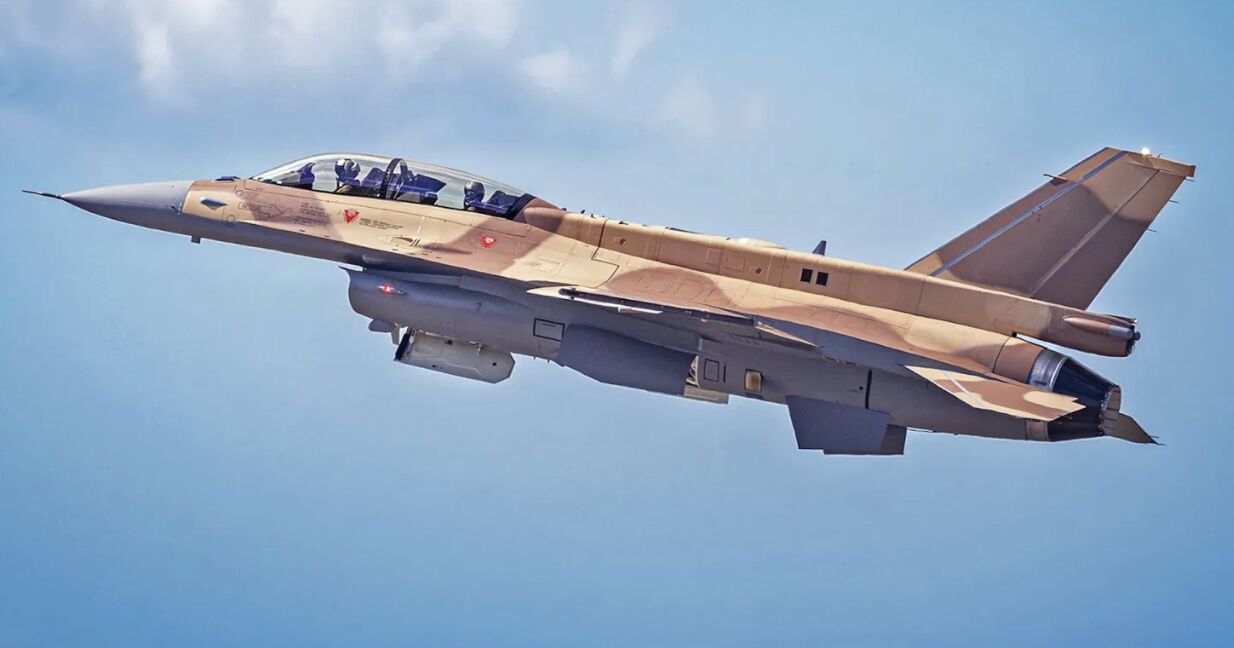
F-16 Block 72 During First Flight
The first F-16 Block 72 fighter has completed its maiden flight, with the aircraft being closely related to the F-16 Block 70 that first flew in January 2023. The principal distinction between the two enhance dF-16s is their engines, with the Block 70 aircraft use General Electric’s F110-GE-129, while Block 72 aircraft are powered by Pratt & Whitney F100-PW-229 engines. The two versions otherwise share the same major avionics and systems modernisation package. Morocco became the launch customer for the configuration when the U.S. government approved its request for 25 F-16C/D Block 72 aircraft in March 2019, meaning the program has taken more than seven years to reach the first flight stage. The Royal Moroccan Air Force is currently the only client in the world for the Block 72 variant.
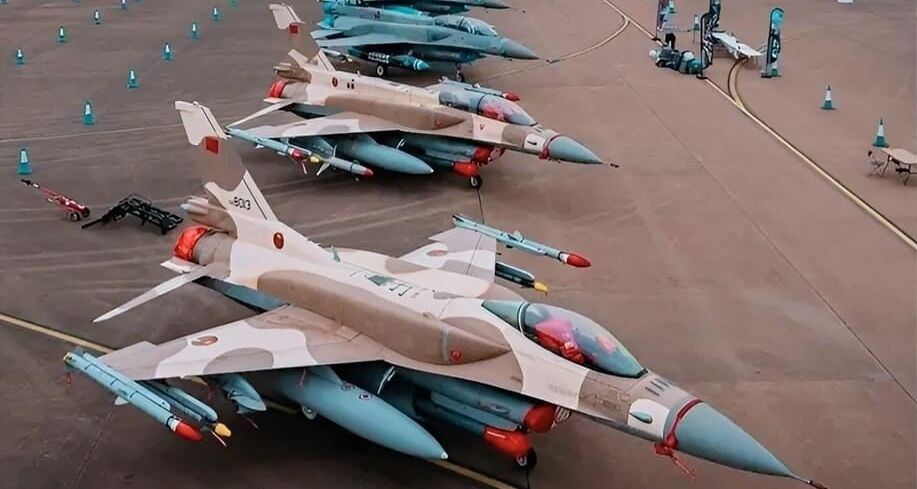
Procured under a package with an estimated $3.787 billion value, the F-16 Block 72 fighters cost are being exported for approximately $151.5 million each including the costs of spare parts, maintenance infrastructure, and weaponry, making them among the most expensive lightweight fourth generation fighters ever sold. Morocco already operates F-16s, making the acquisition of additional aircraft in the latest configuration an extension of an established fleet rather than the introduction of an entirely new fighter type. The Royal Moroccan Air Force has previously operated F-16C/D Block 52 aircraft, while the country has also pursued upgrades and additional combat aircraft to modernise its air force.
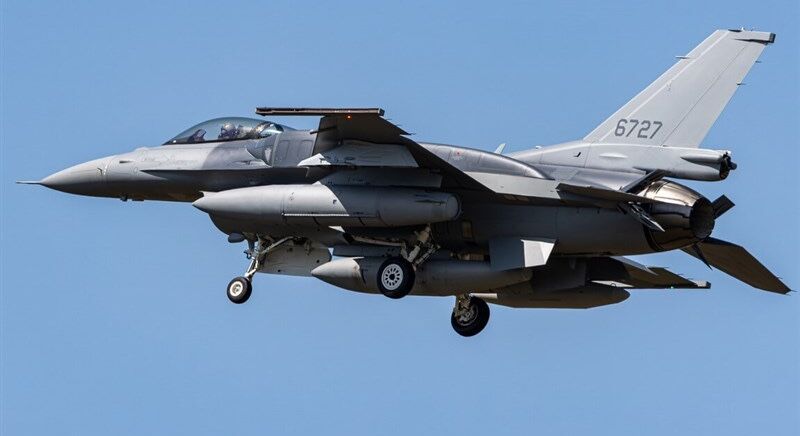
Although the F-16 has increasingly been criticised as obsolete by many of its operators from Singapore to the United States, with the U.S. Air Force having itself ceased acquisitions in 2005, the fighter represents a low cost option for clients with lower defence budgets unable to acquire its successor the F-35 or higher end F-15EX heavyweight fighter. Among economically developed clients the only one to have purchased the new F-16 variant is the Republic of China Ministry of Defence, largely due to political restrictions on its acquisitions of F-35s due to its status in both the UN and Washington as a non state actor. Morocco previously selected the F-16 Block 50/52 over rival Western fighter types, including the French Rafale, and is scheduled to upgrade these older F-16s to a similar avionics standard under the F-16V program.
The F-16 Block 70’s ability to influence the balance of power with neighbouring Algeria will be limited, as the Algerian Air Force already fields a very large fleet of ‘4+ generation’ fighters, namely Su-30MKA and Su-35 which are considerably heavier and carry radars close to three times as large as those of the F-16 while have tremendous advantages in nearly all performance parameters. The Algerian Air Force brought its first Su-57 fifth generation fighters into service in late 2025, before the Moroccan Air Force had even operationalised ‘4+ generation’ fighters, with the gap in air power expected to continue to grow. Although NATO members across the Mediterranean continue to be considered the primary potential threat to Algerian security, particularly after their assault against neighbouring Libya in 2011 caused mass destruction and permanently destabilised the country, the Su-57 fleet also has significant utility against Moroccan forces.
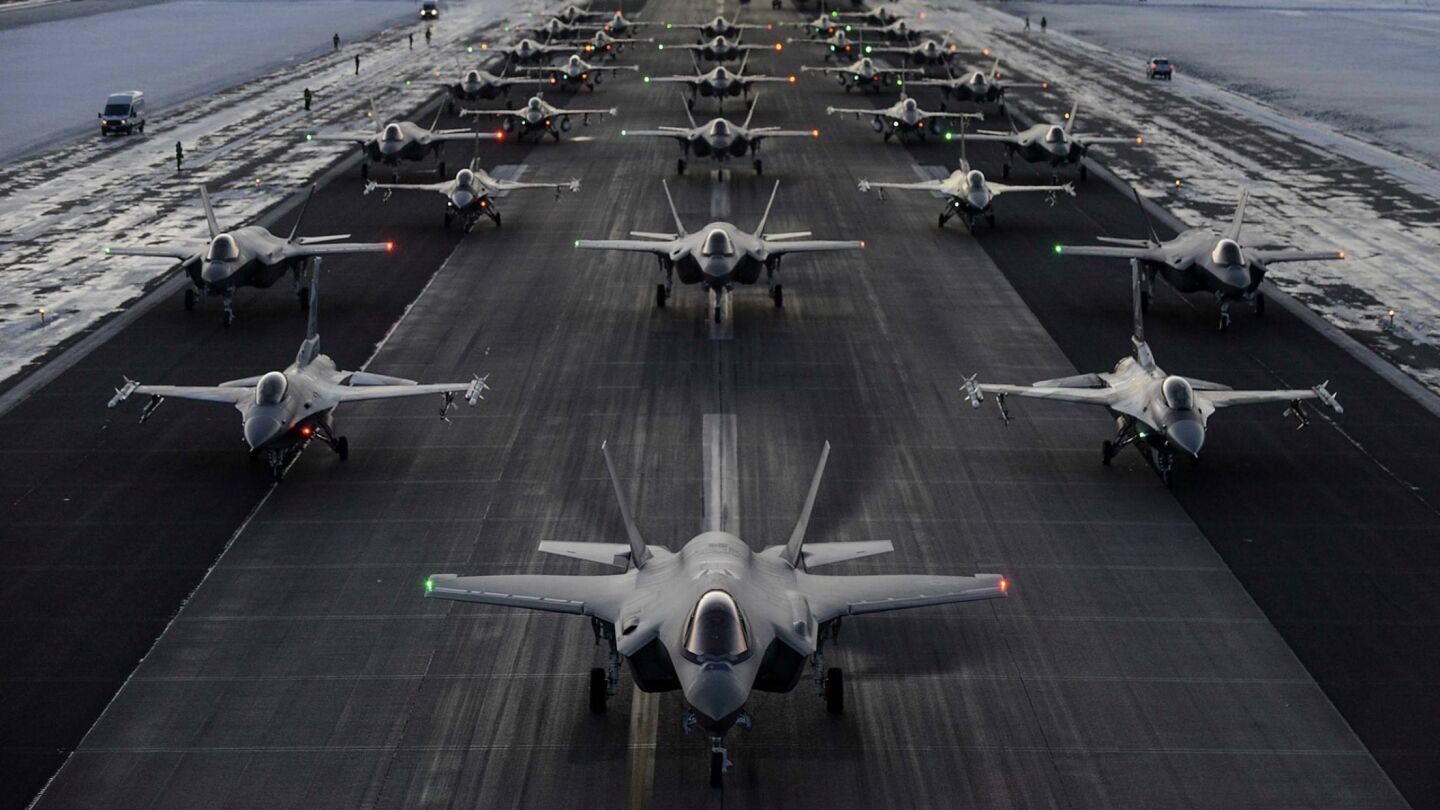
The Moroccan Defence Ministry has been reported by multiple sources to be interested in acquiring F-35 fifth generation fighter aircraft from the United States, as the country’s fleet sees its standing continue to diminish in the face of neighbouring Algeria’s rapidly expanding aerial warfare capabilities. A growing number of Moroccan sources have called for the country to seek to leverage its ties with Israel to gain access to the F-35, which has only been sold to four non Western countries including South Korea, Japan, Singapore and Israel itself. In November 2021 a meeting between Israeli Defence Minister Benny Ganz and his Moroccan counterpart Abdellatif Loudiyi saw the two further defence agreements, and reportedly followed expressions of interest by Moroccan King Mohammed VI in acquiring F-35s with Israel’s help. It has been speculated that procuring the F-16 Block 72 could be seen as a stepping stone to later acquiring the F-35A, which would provide a broadly peer level capability to Algeria’s currently operational Su-57s.
