
AI Giant Palantir Testing its ‘War Operating System’ Managing Ukraine’s Fight Against Russia
Military Watch Magazine Editorial Staff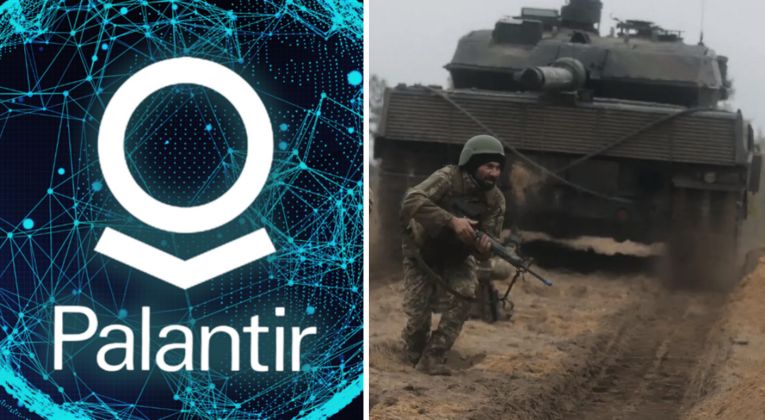
Palantir Logo and Ukrainian Soldier with Leopard 2 Tank
CEO of Palantir Technologies Alex Karp has announced that the Ukrainian Armed Forces have been using the firm’s technologies as an “operating system for war,” stating that this allowed the battlefield to be managed just like a technology company serves its clients. The only difference is “how many Russian soldiers are killed per square kilometre? Why and how, what means were used, what worked and what didn’t?” He added that this applied right down to the level of individual units. “Ukraine has created one of the most important military defence systems in the world. Every person we spoke to is confident that they will win this war. They are very optimistic,” Karp concluded after visiting the country and meeting its political leadership.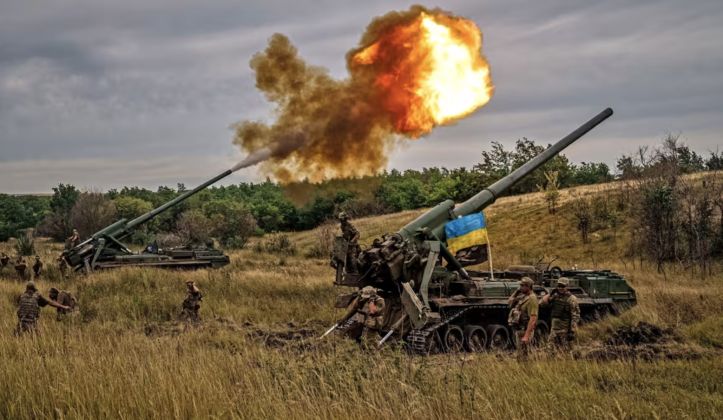
Founded in 2003, Palantir specialises in developing large-scale data integration, analytics, and artificial intelligence used by governments, militaries, intelligence agencies, and large firms. Its core platforms are designed to combine large quantities of fragmented information into a single operational picture that analysts or commanders can use to make decisions. The firm presents itself as a builder of software for “Western institutions” and national security rather than a conventional Silicon Valley consumer-tech company. Palantir became deeply associated with the Ukrainian war effort shortly after full scale hostilities began in 2022, and supplied Ukraine with software that integrates satellite imagery, drone footage, battlefield reports, intelligence feeds, and open-source information into targeting and operational systems. The firm’s executives have openly stated that its tools are heavily involved in Ukrainian battlefield operations, including identifying Russian equipment and planning strikes.
Ukrainian ministries have widely used Palantir’s platforms for logistics, air-defence analysis, refugee management, and even mine warfare operations. CEO Alex Karp has visited the country multiple times, and has strongly framed Palantir’s work in ideological terms as supporting politically westernised states against “authoritarian” adversaries. Palantir has more recently expanded cooperation with Ukraine on AI-enabled air defence and combat data analysis projects. The war effort has provided an invaluable testing ground for Palantir’s technologies, which have significant implications for future high intensity theatres. Palantir has also provided very extensive support to the Israeli invasions of the Gaza Strip and Lebanon, and to the U.S.-Israeli assault on Iran that was initiated in February 2026. Critics have warned that the advanced targeting and surveillance systems provided to Israel have enabled excessive and opaque use of force, as the Israel Defence Forces pair its systems with artificial intelligence to develop kill lists in Gaza, Lebanon and Iran.
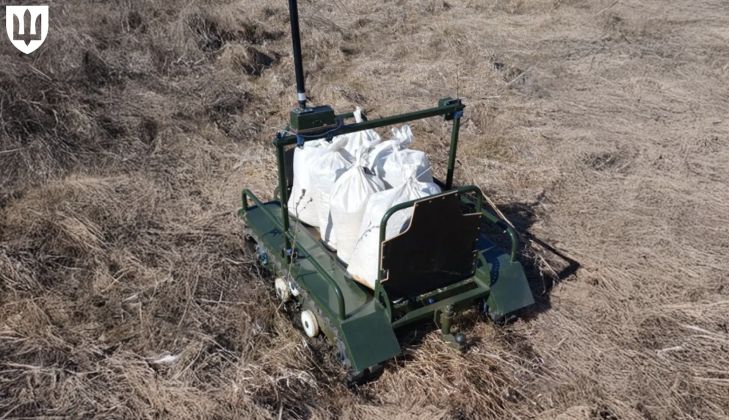
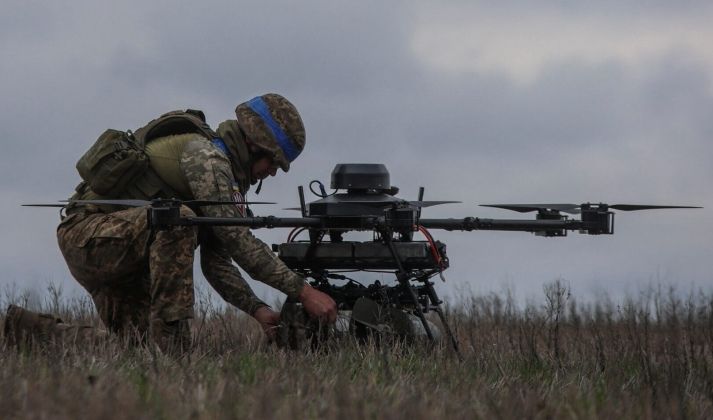
The Russian-Ukrainian War has provided Western Bloc militaries with extensive opportunities to develop and hone modern warfare techniques, including not only by equipping Ukrainian forces with new technologies, but also by deploying personnel to directly operate in frontline roles. The Polish Volunteer Corps and U.S. Forward Observations Group have been among the military contractor groups deployed, while the British Royal Marines were operating on the frontlines from the conflict’s initial weeks. Ukrainian ground units have succeeded in shifting away from traditional infantry warfare towards a more “technology driven” form of combat, relying on attack drones, robotic logistic systems, and other unmanned assets, which is intended to minimise the need for personnel on the frontlines. Continuous drone surveillance has allowed brigades to cover front sections with one or two positions, instead of the previous two battalions per kilometre, reducing infantry positions to minimal footprints, often tiny dugouts for two or three soldiers supplied remotely. Drone surveillance and the robotisation of logistics are a notable example of new technologies being tested and implemented on the frontlines as a result of the vast economic and technological support which Ukraine has been provided with.
