
‘Accelerating Air Force Capabilities Act’ Pushed to Prepare U.S. Fighter Fleet For War with China
Military Watch Magazine Editorial Staff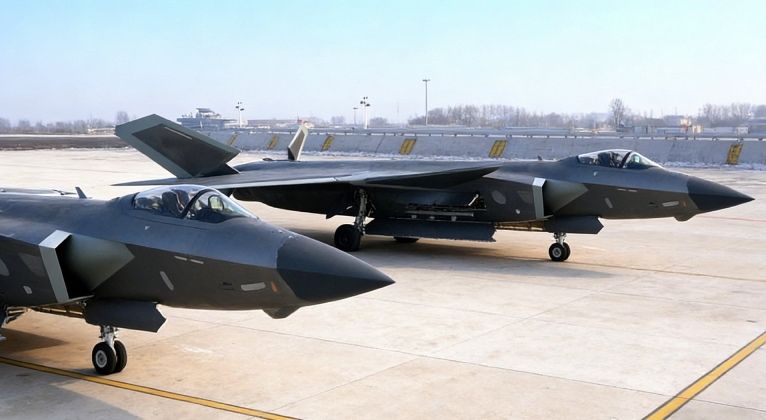
Chinese J-20 Fifth Generation Fighters
Weixin
The Accelerating Air Force Capabilities Act has gained growing bipartisan support in the United States Congress, and aims to extend and increase the size of the Air Force's fighter with a particular for cops on expanding the procurement of F-15EX long range fighters. The recently introduced legislation mandates that the Air Force maintain a minimum fleet of 1,800 fighter aircraft through the year 2035 - 1,145 of which must be designated as “Primary Mission Aircraft Inventory.” It further stipulates that the Air Force must maintain a minimum of 1,369 combat-capable fighters by 2030, with this figure rising further to 1,558 by 2035. This is particularly significant since large portions of the fighter fleet, including hundreds of F-22 and F-35 fighters from early production batches, will never be made combat capable due to wide ranging defects.
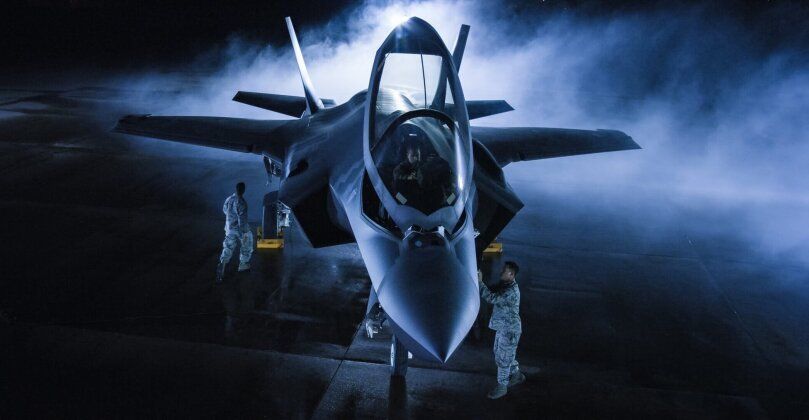
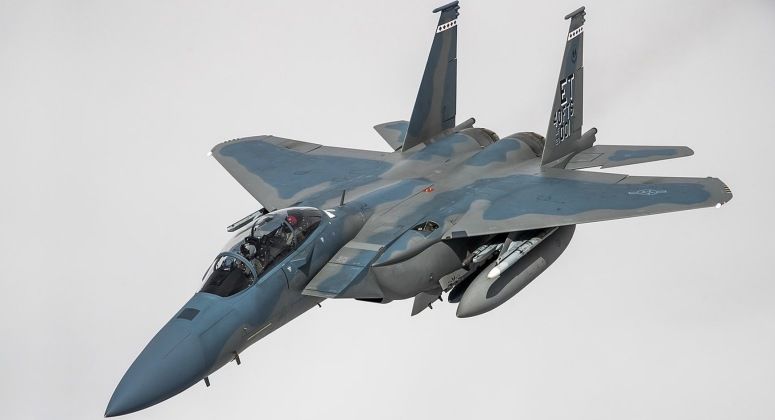
The Accelerating Air Force Capabilities Act further authorises the Air Force to utilise multi-year procurement contracts for the F-35 and F-15EX, which are the only fighter types that have been delivered to the service over the past 15 years. These contracts reduce costs and stabilise the industrial supply chain. The legislation also permits an expansion of the total F-15EX procurement numbers to 329 aircraft, an increase of 100 units over the most recent plans. While the F-15EX fleet was previously planned at under 100 fighters, and was intended to replace a portion of the ageing F-15C/D air superiority fighters in service, expanded orders will allow them to replace the ageing F-15E fleet. The importance of the F-15 in both air superiority and strike roles has recently been illustrated in the U.S.-Iranian conflict, with the long range aircraft relied on particularly heavily due to the destruction of airbases and strain on the tanker fleet.
The introduction of the Accelerating Air Force Capabilities Act has occurred as the U.S. Air Force has adopted a new “combat-coded fleet” accounting methodology, which incorporates reserve aircraft and Potential Maximum Available Aircraft (PMAI) into its statistical calculations. This shift has sparked considerable skepticism that the new method may serve to mask actual deficiencies in combat readiness. The new proposed legislation notably accepts this methodology, utilising it to demonstrate the total number of aircraft that would be available for deployment in the event of a large scale high intensity conflict. The new legislation notably does not require an increase in F-35 fifth generation fighter procurements, after planned orders were steadily lowered from 110 to 80 to 60, to 48, before more recently falling to just 24-40 fighters. The legislation stipulates procurements at 38 fighters per year.
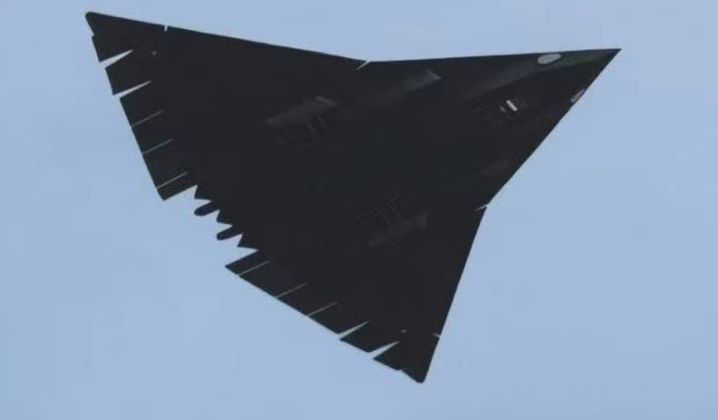
The Accelerating Air Force Capabilities Act is considered to have been introduced primarily to bolster the U.S. Air Force’s fast diminishing capability to engage in a high intensity military campaign against China, which has emerged over the past decade as a fully peer level force. China’s unveiling of two new sixth generation fighter types in December 2024 at flight prototype stages, and subsequent significant progress in testing and operationalising new prototypes, is considered a primary factor stimulating concern in the U.S., particularly as Chinese fighter programs have proven capable of moving from maiden flights to active service in well under half the time of their U.S. counterparts. The country in 2025 was confirmed to have brought its second type of fifth generation fighter, the J-35, into service, providing a high-low combination alongside the J-20.
