
Zelensky Warns Chinese-Backed Rival to Starlink Will Soon Empower Russian Forces
Military Watch Magazine Editorial Staff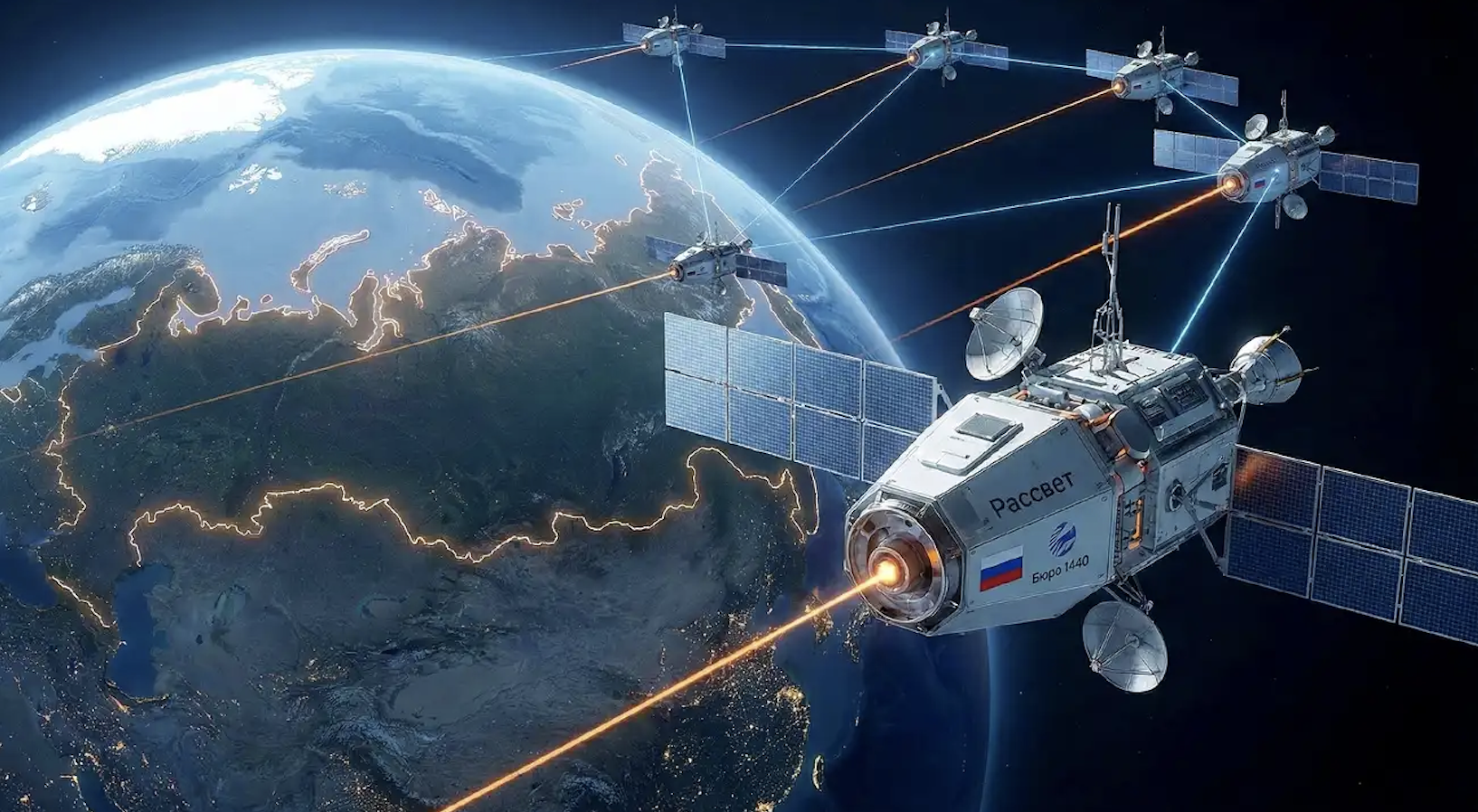
Rassvet Satellite Constellation Artwork
Ukrainian President Volodymyr Zelensky has warned that China could soon provide Russian forces with access to a satellite communications network comparable to SpaceX’s Starlink, potentially strengthening military communications and drone operations. The warning comes as Moscow accelerates development of its own low Earth orbit satellite internet constellation, known as Rassvet. Ukrainian sources have also argued that Chinese support could help bring the Russian system into service sooner and with more advanced capabilities than expected. “We are talking with various colleagues from Europe and America. I tell them honestly: Chinese representatives are involved in developing an alternative to Starlink,” Zelensky said. “They are getting closer, and they are passing it on to Russia. Russia could gain that kind of dominance.”
Zelensky has urged the United States to impose sanctions on Russian and Chinese firms involved in the programme, raising the issue with U.S. President Donald Trump during discussions that included a meeting on the sidelines of the United Nations General Assembly in New York. According to reporting by the Financial Times, Zelensky is particularly concerned that the network could improve Russia’s ability to coordinate attacks using unmanned aerial vehicles. Rassvet currently remains far smaller than Starlink, which operates a constellation numbering in the thousands. Skibitskyi said the Russian system’s current capabilities over Ukraine were intermittent, with connectivity dependent on satellites passing overhead. Establishing a much larger constellation would permit more continuous coverage and could significantly improve the network’s usefulness for military communications.

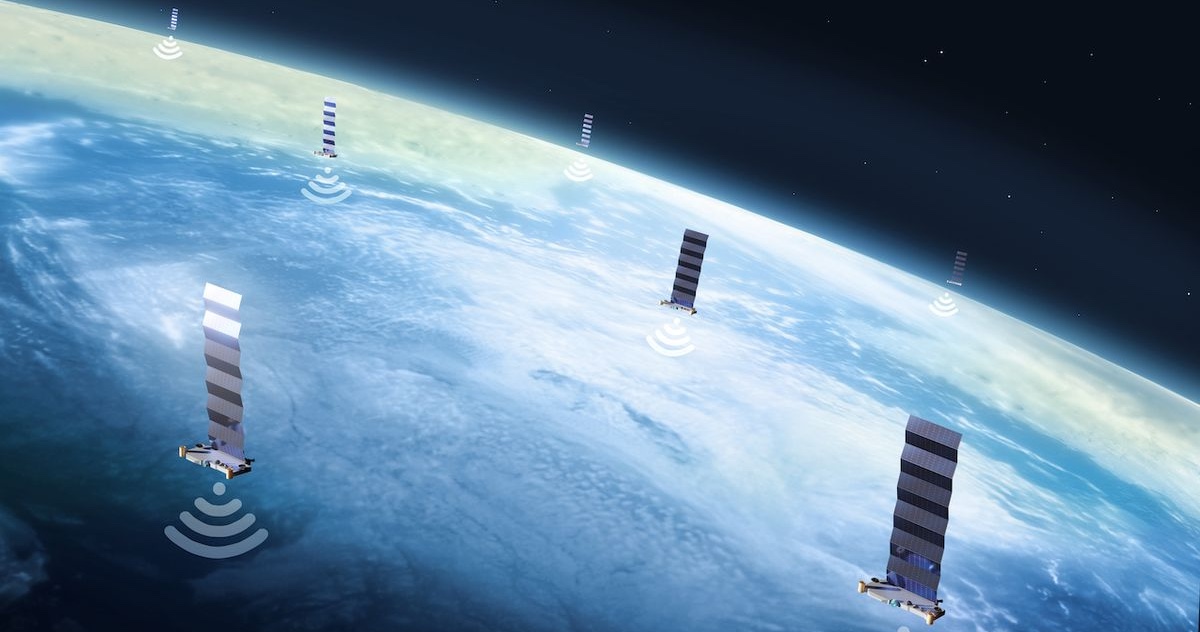
Reliable satellite communications have become an important component of the war in Ukraine, supporting command networks, reconnaissance, logistics and the operation of unmanned systems. Starlink has been particularly valuable to Ukrainian forces because its low-orbit constellation can provide connectivity in areas where conventional communications infrastructure has been destroyed or disrupted. The network has also supported the operation of drones, allowing units to exchange information and maintain links over distances that would otherwise require more vulnerable communications infrastructure. A number of analysts have highlighted that the importance of Starlink for the Ukrainian war effort exceeds that of all support provided by European NATO members combined, as it prevented Russian forces from paralysing command and control in the war’s critical initial days.
Russian forces have notably also used Starlink terminals, including devices obtained through unofficial channels, despite restrictions imposed by SpaceX. Ukraine pressed the company to block unauthorised Russian military access, and the resulting disruption highlighted the risks of relying on a commercial communications network whose operator can restrict service. The United States has limited Ukraine’s access to Starlink for strikes deeper into Russian territory, and in February 2025 threatened wider cutoffs from the network. China’s defence sector is notably also developing means of countering Starlink, with laser weapons and attack satellites speculated to be among the methods considered.
