
Yemen’s Ansurullah Paramilitaries Seize Key Red Sea Port to Cut Off Saudi Oil Exports
Military Watch Magazine Editorial Staff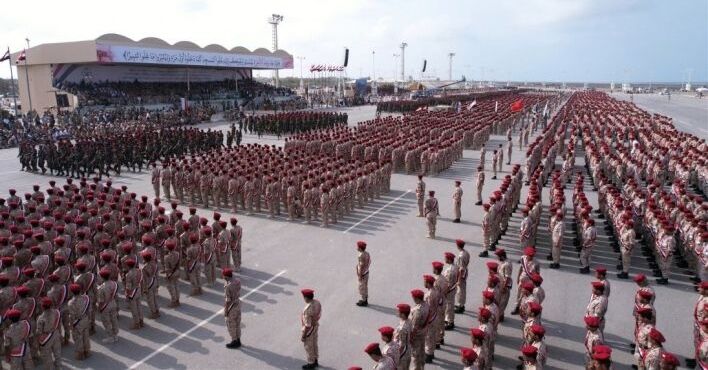
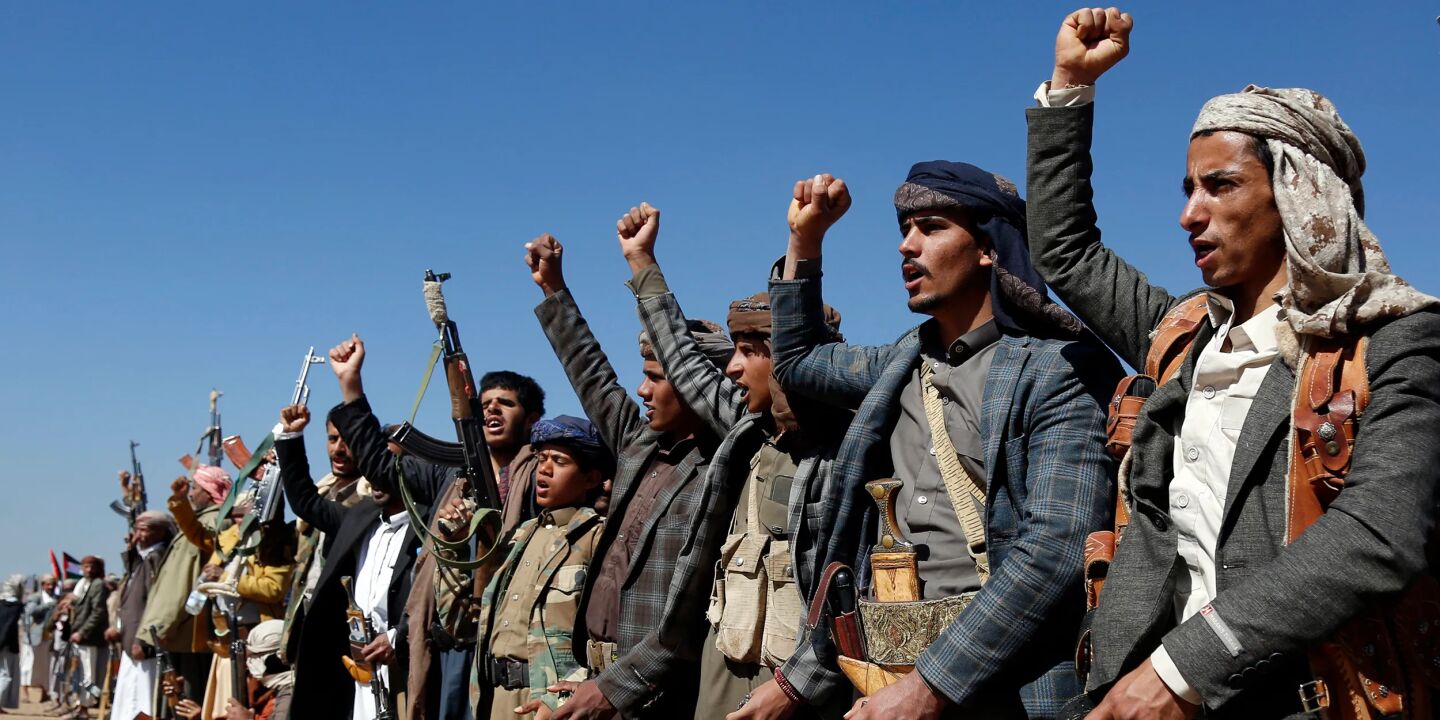
Ansurullah Coalition Forces on Parade
Yemeni Ansurullah Coalition forces have seized the strategic Yemeni port of Mocha, delivering a major setback to Saudi Arabian and allied U.S. forces, and bringing the coalition’s forces to within approximately 50 kilometres of the Bab al-Mandeb Strait. The development represents a dramatic shift in the security situation along Yemen’s Red Sea coast, and is expected to allow coalition forces to control one of the world’s most important maritime chokepoints. A restriction of Saudi oil exports through Bab al-Mandeb has the potential to complement Iran’s closure of the Strait of Hormuz, placing significant pressure on the United States and countries in the Western world, as well as their strategic partners in the Gulf.
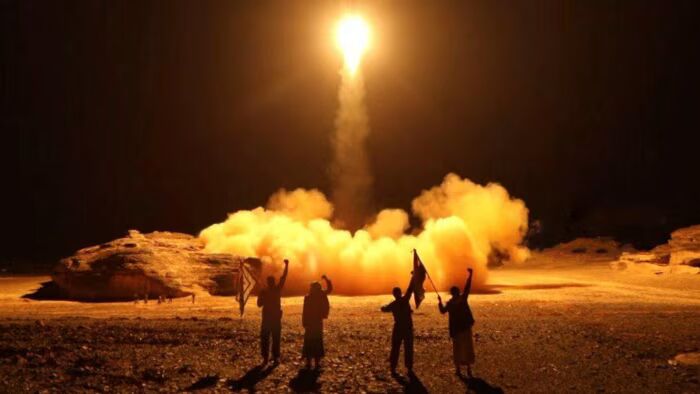
The Bab al-Mandeb connects the Red Sea with the Gulf of Aden and the wider Indian Ocean, linking the Suez Canal with the energy-producing states of the Persian Gulf and markets in Europe and Asia. The Ansurullah Coalition’s seizure of Mocha therefore represents considerably more than a territorial gain within Yemen: it places a major it substantially closer to a chokepoint through which a significant proportion of global maritime trade normally passes. The capture of Mocha on September 10 followed several days of intense fighting between the Ansurullah Coalition forces and Saudi-backed forces, including several thousand Syrian Islamist paramilitaries that were deployed to support the U.S.-led war effort.
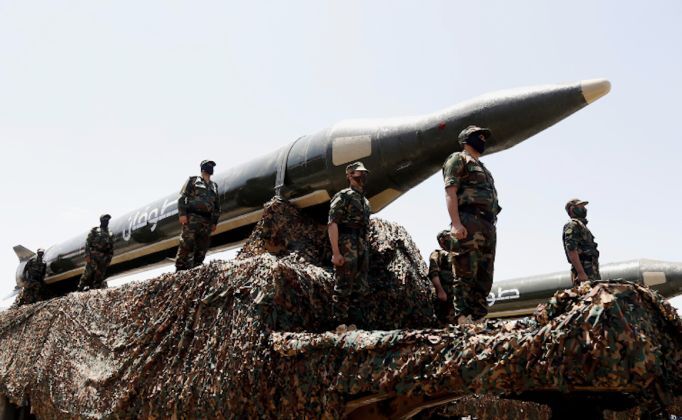
In late 2024 U.S. Under Secretary of Defense for Acquisition and Sustainment Bill LaPlante observed that the Ansurullah Coalition’s military capabilities far exceeded previous estimates, with its arsenal including missiles which “can do things that are just amazing.” "I'm an engineer and a physicist, and I've been around missiles my whole career. What I've seen of what the Houthis [Ansurullah] have done in the last six months is something that — I'm just shocked,” he stated. He reiterated that their arsenal "can do some pretty amazing things," allowing for strikes both against Western ships far into the Red Sea, as well as against targets in Israel. Alongside missiles, the Ansuruallh coalition forces have also made effective use of advanced drones, including submersible platforms.
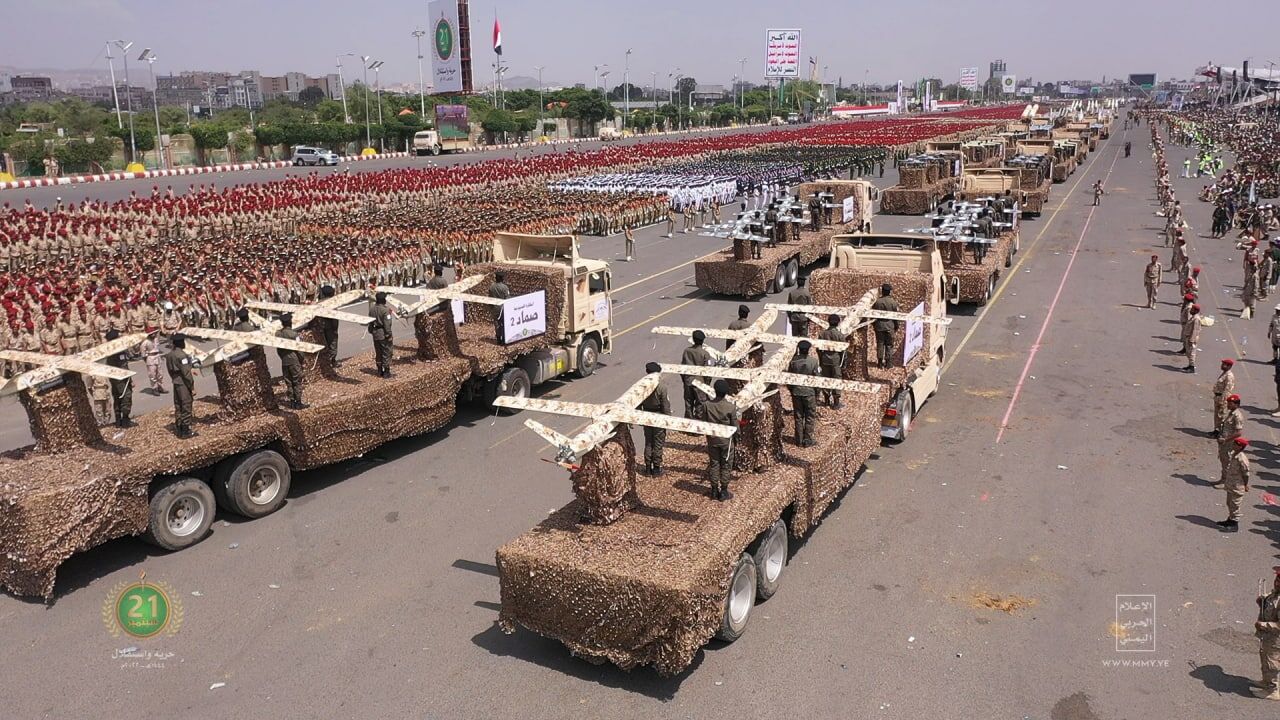
The Ansurullah Coalition and Iran have been able to assert growing control over both ends of an increasingly important alternative energy route. The former had already declared a maritime embargo against Saudi Arabia and begun attacking Saudi-linked shipping, while their forces have demonstrated the ability to employ ballistic missiles, cruise missiles and unmanned aircraft against targets at considerable distances. The capture of Mocha could substantially improve their ability to threaten vessels operating along the southern Red Sea coast. Control of the coastline has long been seen as the coalition’s most strategically important objective.
Ansurullah Coalition forces have already demonstrated that relatively inexpensive weapons can have an outsized effect on international shipping. During the Red Sea crisis beginning in late 2023, coalition attacks forced many of the world’s largest shipping companies to divert vessels around the Cape of Good Hope, substantially increasing voyage times and costs. The United States and its allies responded with an extensive air and naval campaign, while international warships were required to conduct repeated defensive engagements against drones and missiles.
