World’s Most Powerful ‘Flying Radar’ Aircraft Enters Serial Production in China: KJ-3000 Optimised for Stealth Hunting
Military Watch Magazine Editorial Staff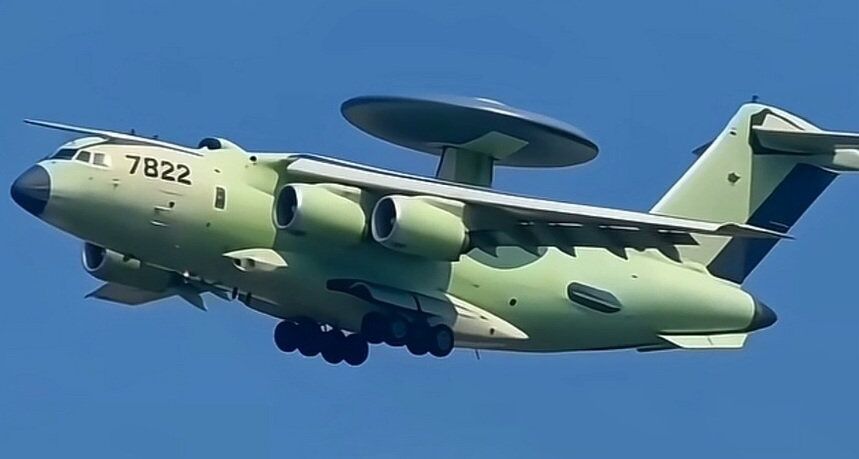
KJ-3000 AEW&C System
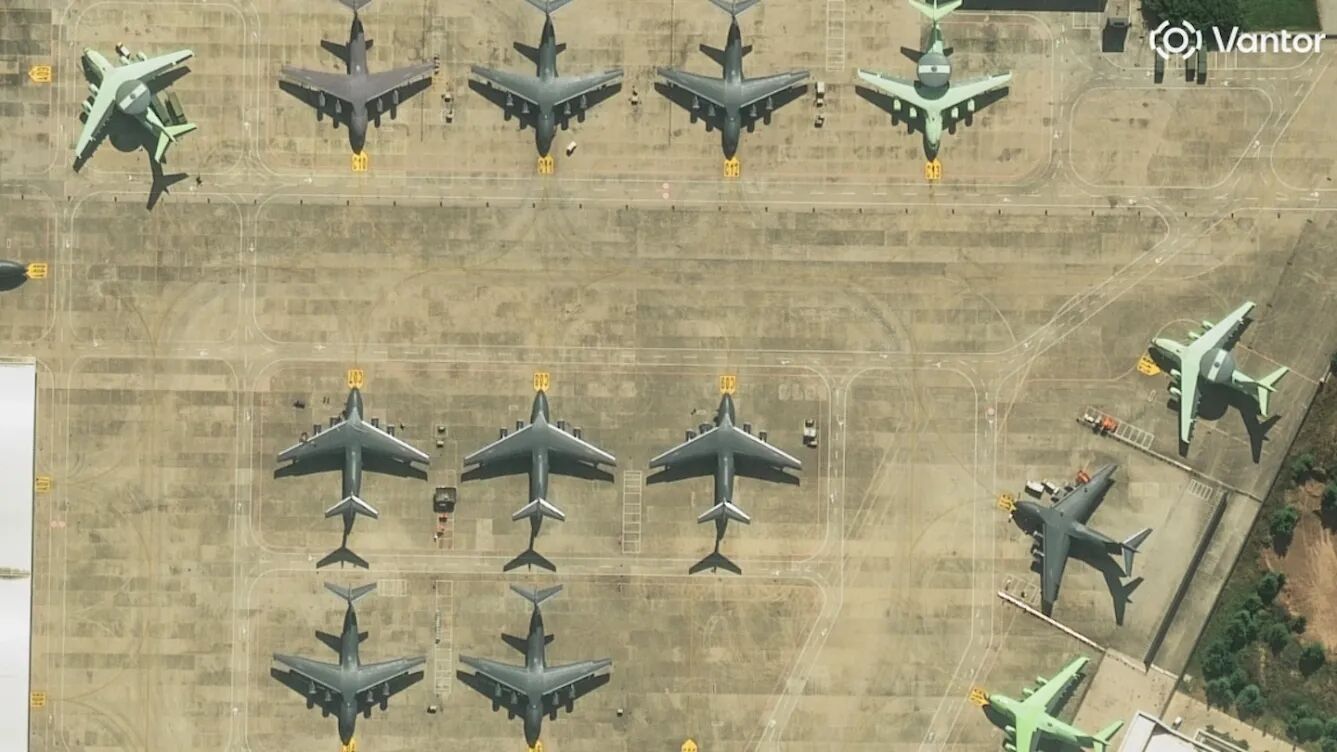
Satellite imagery has revealed four of China’s new KJ-3000 airborne early warning and control (AEW&C) system at facilities operated by Xi’an Aircraft Company in Xi’an-Yanliang, confirming prior reports that the aircraft has entered serial production. Based on the four-engine Y-20B strategic transport aircraft, powered by domestically developed WS-20 turbofan engines, the new aircraft is the heaviest AEW&C system in production in the world, and provides a heavier counterpart to the medium weight KJ-500, which has been produced at a higher rate than the next several foreign systems combined in recent years. The KJ-3000’s large jet-powered airframe is expected to provide greater speed, range and endurance than the KJ-500, while its ability to operate at higher altitudes should also improve radar coverage against low-flying aircraft and missiles, which can remain hidden from ground-based sensors because of terrain or the radar horizon.
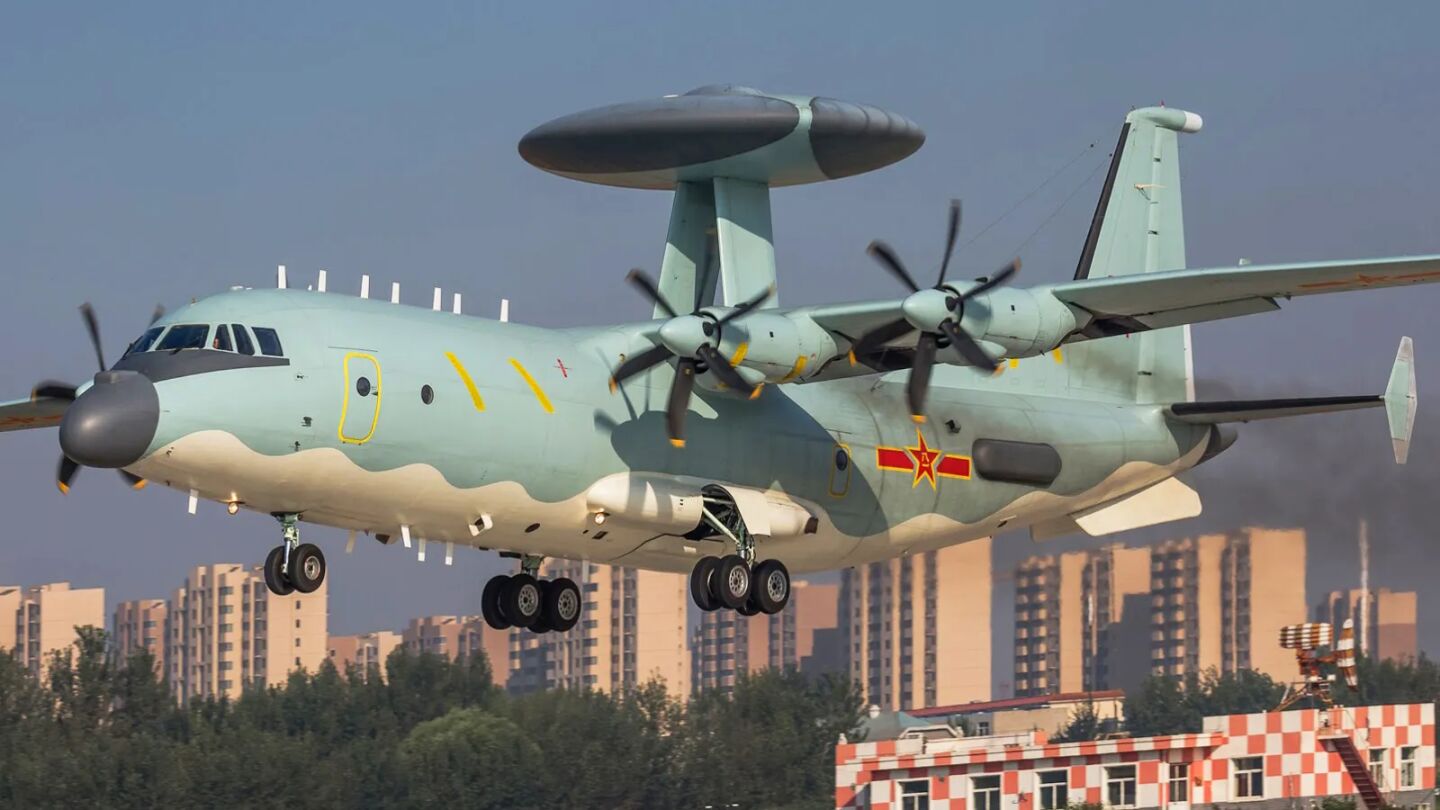
The KJ-3000’s much larger sensor suite and command and control facilities, however, are its primary advantages over the smaller KJ-500. The KJ-3000 is part of a broader expansion of China’s airborne surveillance fleet, which combines heavy jet-powered platforms with smaller aircraft based on the Y-9 transport family. Alongside the KJ-500, China is developing the KJ-700, believed to combine radar with electro-optical and infrared sensors to broaden its surveillance capabilities. The smaller turboprop aircraft can operate from more dispersed and austere airfields, while the KJ-3000’s larger airframe is better suited to missions requiring greater endurance, range and onboard processing capacity. The expansion of the Chinese AEW&C fleet contrasts with difficulties facing the United States in replacing its ageing E-3 Sentry airborne warning and control aircraft, with the U.S. Air Force having invested in procuring the much lighter E-7 which has a much smaller radar that is estimated to be considerably lighter and less powerful than that on the KJ-500.
Rather than the traditional three-panel phased array radar system, the KJ-3000’s an advanced conformal digital-array architecture provides true 360-degree coverage with improved sensitivity and processing capability. In contrast to the fixed arrays on the KJ-500, a new hybrid tracking system employing a rotating dome housing AESA radars maximises single aperture antenna size to spot low observable targets at extreme ranges, and allows for 360 degree volume searches while simultaneously focusing on critical sectors using high energy electronic steering. It is the world’s first AEW&C system built around a new digital radar architecture, backed by advanced data links, passive target identification, and sophisticated anti-jamming features. Its sensor suite is expected to be particularly well optimised to tracking advanced stealth aircraft potentially allowing it to serve as a force multiplier for Chinese combat aviation including its fast expanding J-20 and J-35 fifth generation fighter fleets.