
World’s Largest Strategic Transport Aircraft in Production Enters New Generation in China with Multirole Modular Design
Military Watch Magazine Editorial Staff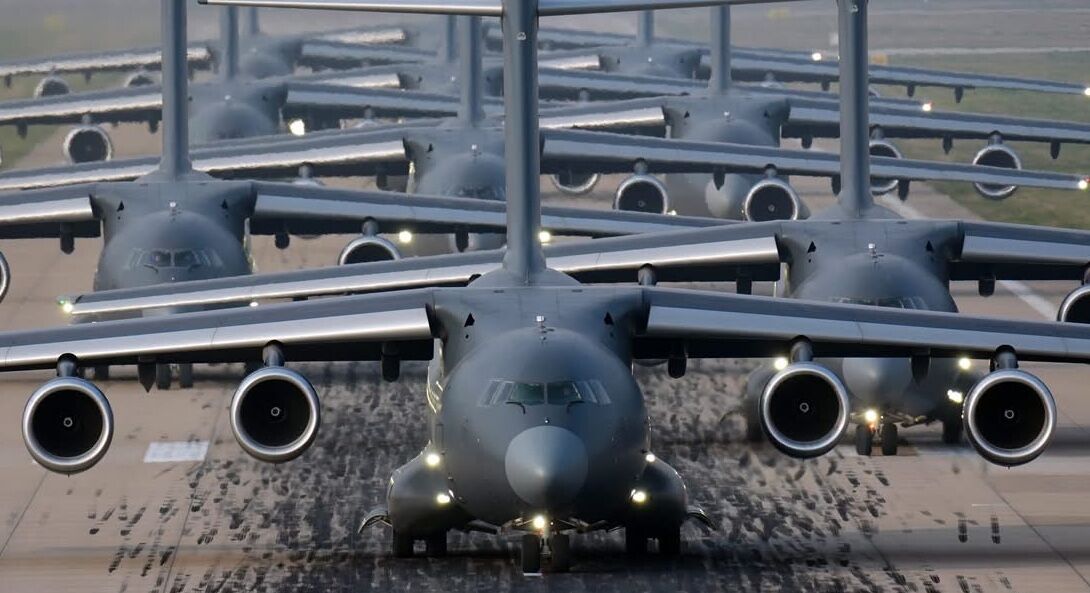
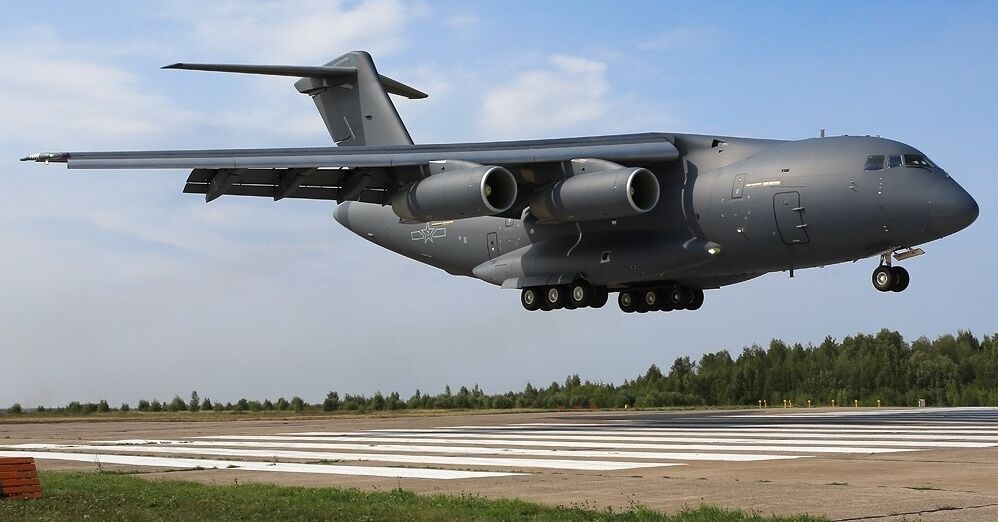
China's state broadcaster CCTV has revealed that the People's Liberation Army (PLA) Air Force's Y-20B strategic transport aircraft can rapidly transition between multiple mission sets through modular equipment. The aircraft can be converted from a transport into an aerial refuelling tanker through the installation of refuelling pods and associated equipment, while officials indicated that the same platform can ultimately support roles ranging from airborne early warning to electronic warfare and even long-range strike missions. The disclosures provide one of the clearest official indications to date that the Y-20 family is intended to evolve into a highly versatile multi-role aircraft.
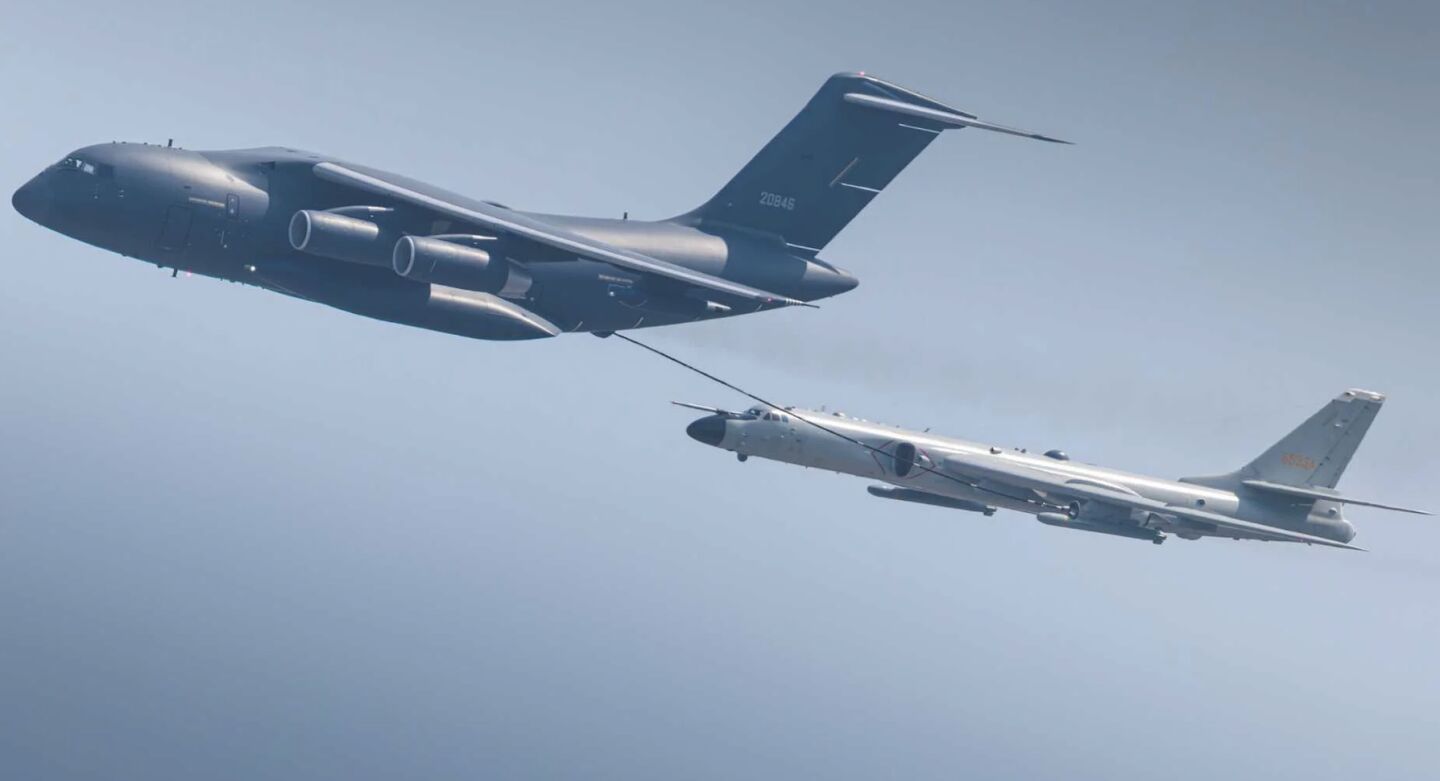
The Y-20B's greatly expanded flexibility has been made possible by the integration of China's domestically developed WS-20 high-bypass turbofan engines, replacing the Russian-built D-30KP-2 engines that powered earlier production aircraft. The new engines provide significantly greater thrust while reducing fuel consumption, increasing both payload capacity and operational range. The adoption of the WS-20 also eliminates dependence on imported propulsion systems, allowing production to proceed at a significantly faster pace while enabling engineers to optimise future variants around a fully indigenous propulsion package.
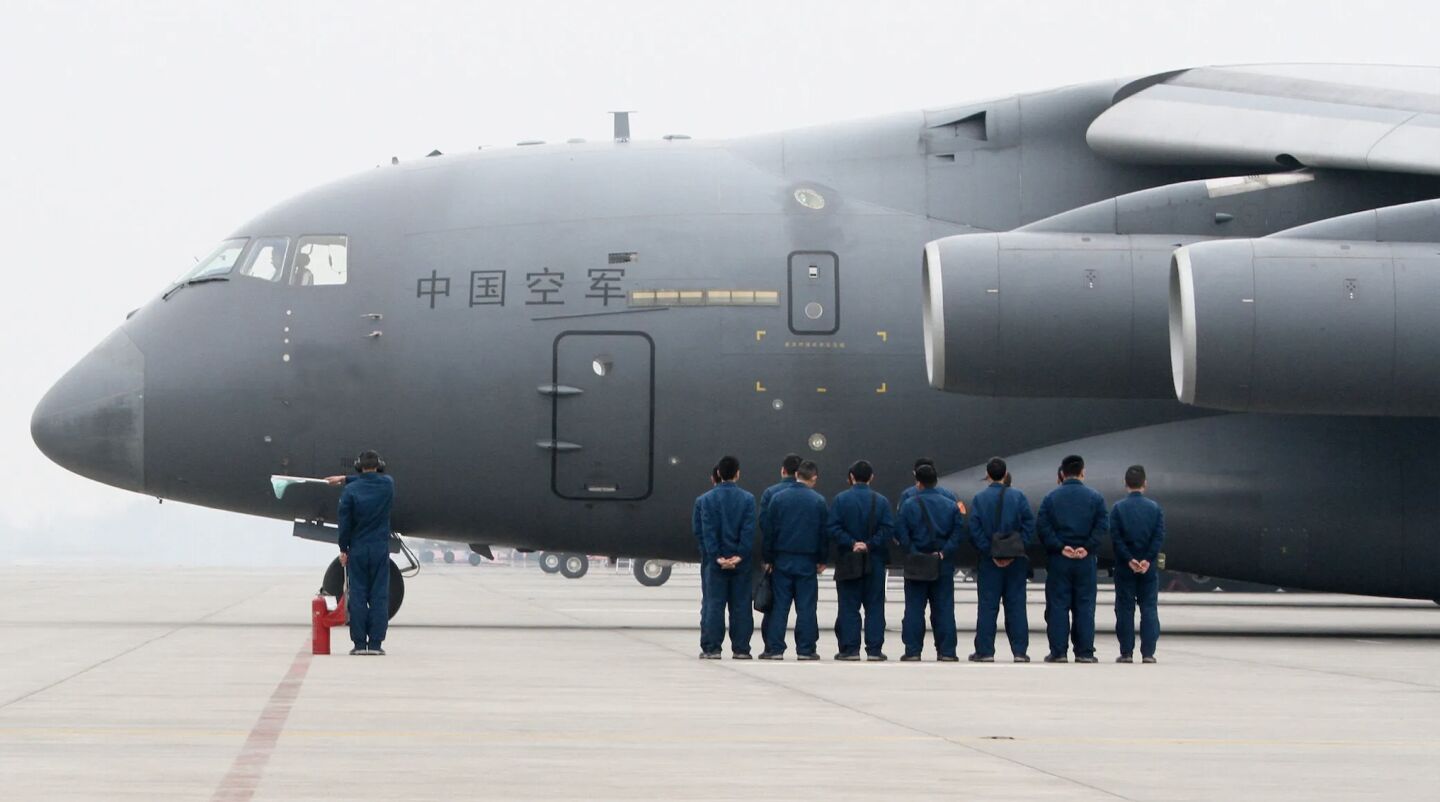
One of the most notable revelations concerned the aircraft's ability to transition rapidly into an aerial refuelling role. Rather than relying solely on dedicated tanker variants, the Y-20B can reportedly be equipped with refuelling pods and associated mission equipment to perform tanker duties when operational requirements demand. Such flexibility significantly expands the PLA Air Force's potential tanker fleet during periods of heightened operational activity while allowing the same aircraft to resume strategic airlift missions during peacetime. The concept reflects a broader trend toward multi-role support aircraft capable of performing several missions without requiring entirely separate fleets.
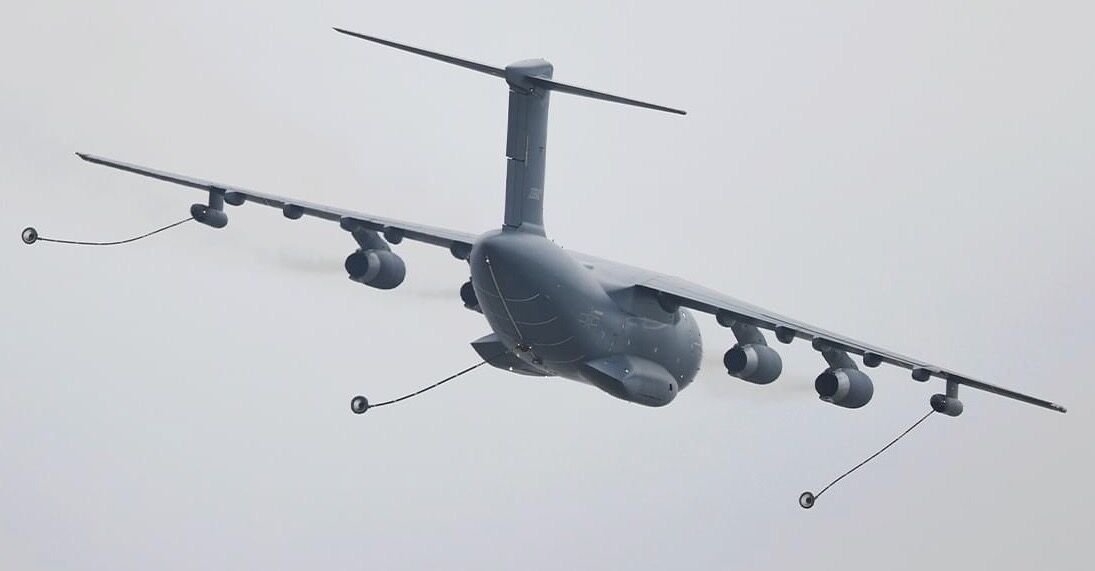
Speaking in the documentary, PLA Air Force officer Pang Rongqi stated that the Y-20 platform had potential extending far beyond transport operations, observing that the distinction between transport aircraft, bombers, airborne early warning platforms and electronic warfare aircraft was becoming increasingly blurred. He suggested that all of these missions could eventually be performed using the same basic transport platform, indicating that Chinese planners view the Y-20 as a long-term foundation for an expanding family of specialised aircraft rather than simply a strategic airlifter.
Chinese military analyst Song Zhongping similarly argued that the Y-20B effectively embodies the concept of a modular multi-role aircraft. By installing different mission equipment, he suggested, the aircraft could rapidly transition between transport, tanker and electronic warfare missions while potentially supporting future bombing or airborne early warning configurations. Because the aircraft was designed entirely within China, engineers possess complete access to its flight control systems, structural architecture and avionics, greatly simplifying future modifications compared to platforms incorporating significant foreign technology.
