
The World’s Fastest Combat Jet Was Stolen by a Rogue Russian Pilot 50 Years Ago
Military Watch Magazine Editorial Staff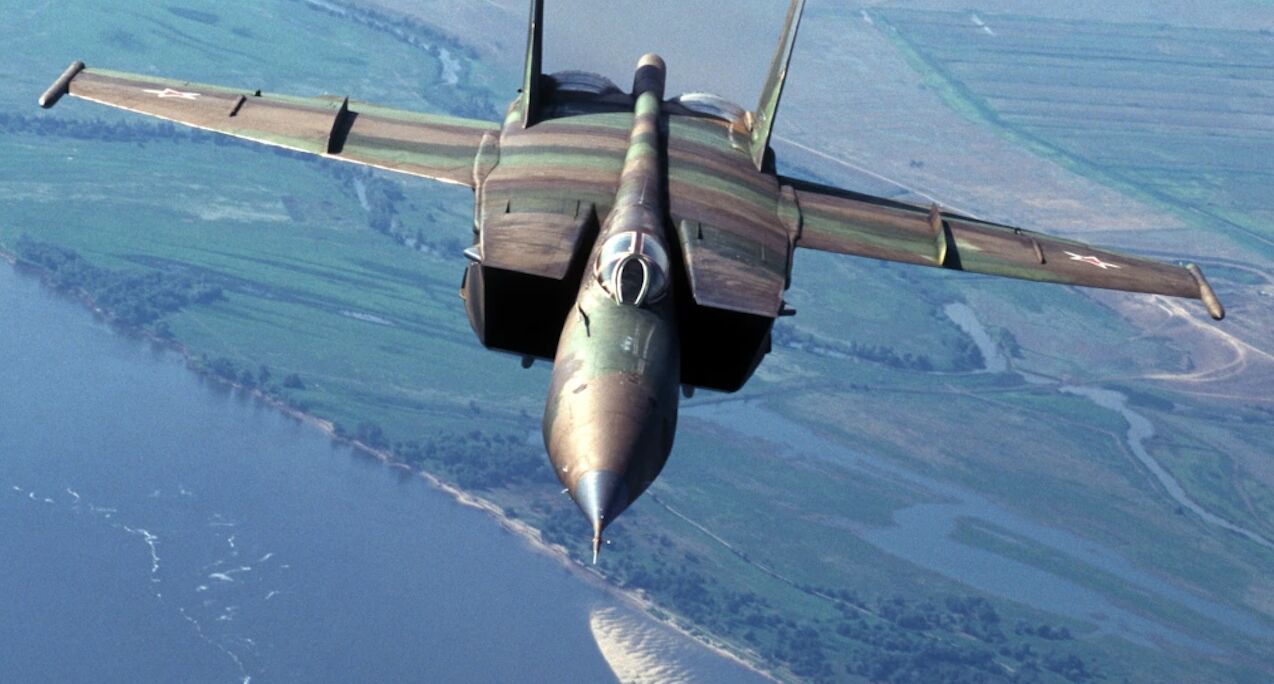
MiG-25 Foxbat
On September 6, 1976, Soviet Air Defence Forces pilot Lieutenant Viktor Belenko stole the world’s fastest combat aircraft, the MiG-25P Foxbat, in the most prominent defection by air of the Cold War era. The pilot, who according to a number of Western sources had been in contact with Western intelligence agencies when stationed in Moscow, had been based in Chuguyevka, east of Vladivostok, and flew the aircraft to Hakodate Airport in Japan. The MiG-25 had generated by far the most interest in the Western world of any Soviet type, and had from 1971 demonstrated its extreme flight performance during operations over Israel and Israeli-held territory when deployed to bases in Egypt.
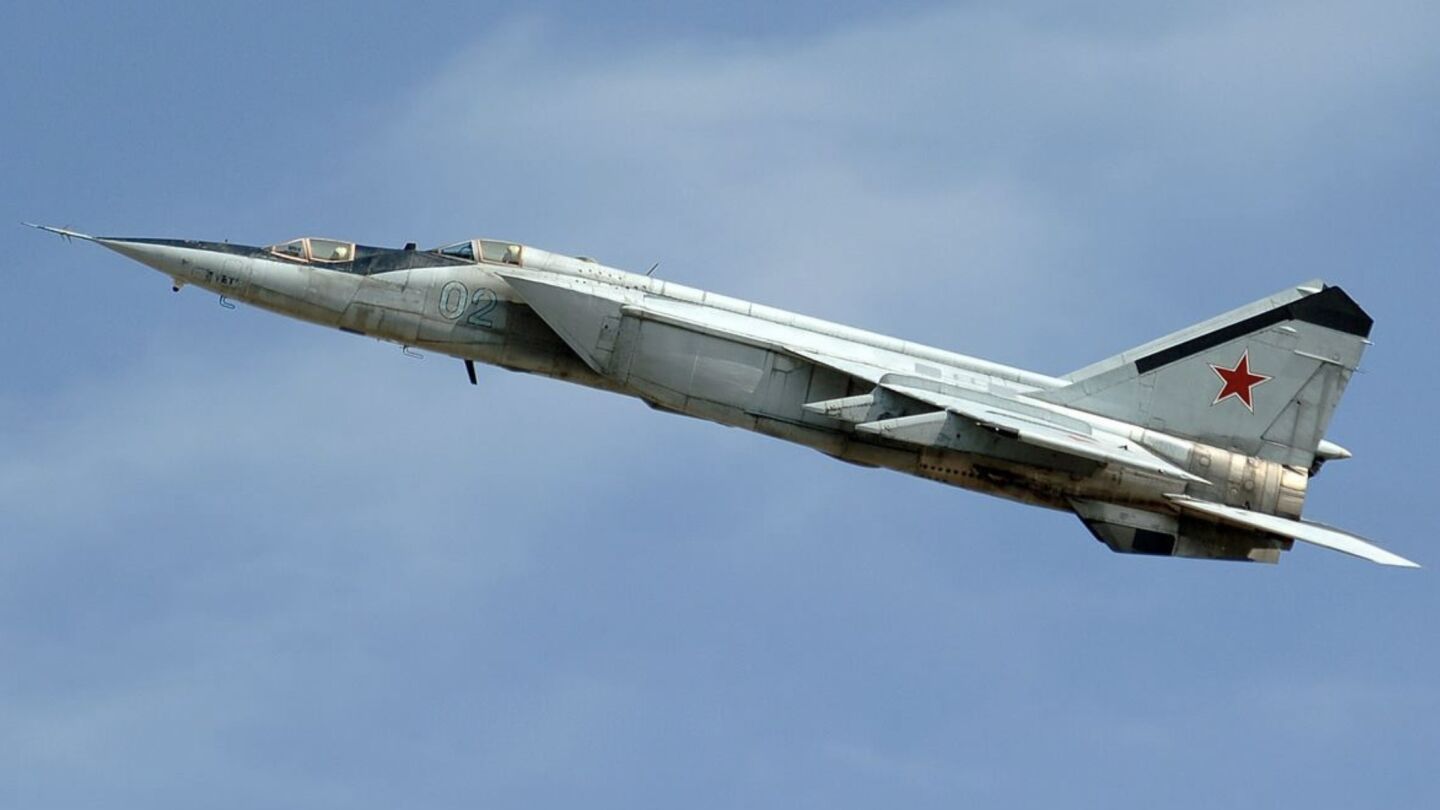
Belenko’s defection provided Western experts with access to the latest Soviet combat aviation technologies, with experts highlighting that it could only be compared to a defection of new F-14 or F-15 pilots to the USSR. The MiG-25’s capabilities made a strong impression on Western analysts, with he clean burning of its engines, the power of its radar, and its ability to sustain extreme speeds and altitudes for prolonged periods all being unrivalled. The MiG-25’s developed had been a primary factor shaping the specifications of the F-15, which was brought into service from 1975, with the specifications of the aircraft made much more ambitious to provide a means of countering the very large and powerful Soviet jet.

Commenting on Belenko’s defection, Richard N. Sullivan writing for Science News in December 1976 observed that Western sources were widely seeking downplay the MiG-25’s performance. The fact that the aircraft: “flies hundreds of miles per hour faster and thousands of feet higher than the F-4” and “has been overflying Israeli airspace with impunity as far as Israeli F-4s were concerned” undermined these narratives, however, while the U.S. had only 18 aircraft, the small SR-71 fleet, which could match the hundreds of Soviet Foxbats in flight performance. Belenko’s defection led the Soviet defence sector to rapidly respond by developing new avionics for the aircraft, bringing it up to the MiG-25PD standard, including the Sapfir-25, an enlarged derivative of the MiG-23ML’s Sapfir-23, which was one of the first radars with look down/ shoot down capabilities.

The MiG-25, continues to hold multiple world records, including the altitude record at 37,650 metres, and usually operates at close to 22,000 metres for strategic reconnaissance. It cruising speed of Mach 2.4, and ability to reach Mach 3.2 speeds, also remain unmatched. The aircraft was designed to be able to operate in very heavily defended airspace, as it repeatedly proved capable of doing, with conducting photo and electronic reconnaissance. The Foxbats’ high speeds and operational altitudes made them effectively invulnerable to Israel’s F-4E fighters and MIM-23 air defence systems during the 1970s, and would subsequently demonstrate similar levels of invulnerability in Indian hands when overflying Pakistan, in Algerian hands over Morocco and Spain, and in Iraqi hands in engagements with both Iranian and U.S. forces.
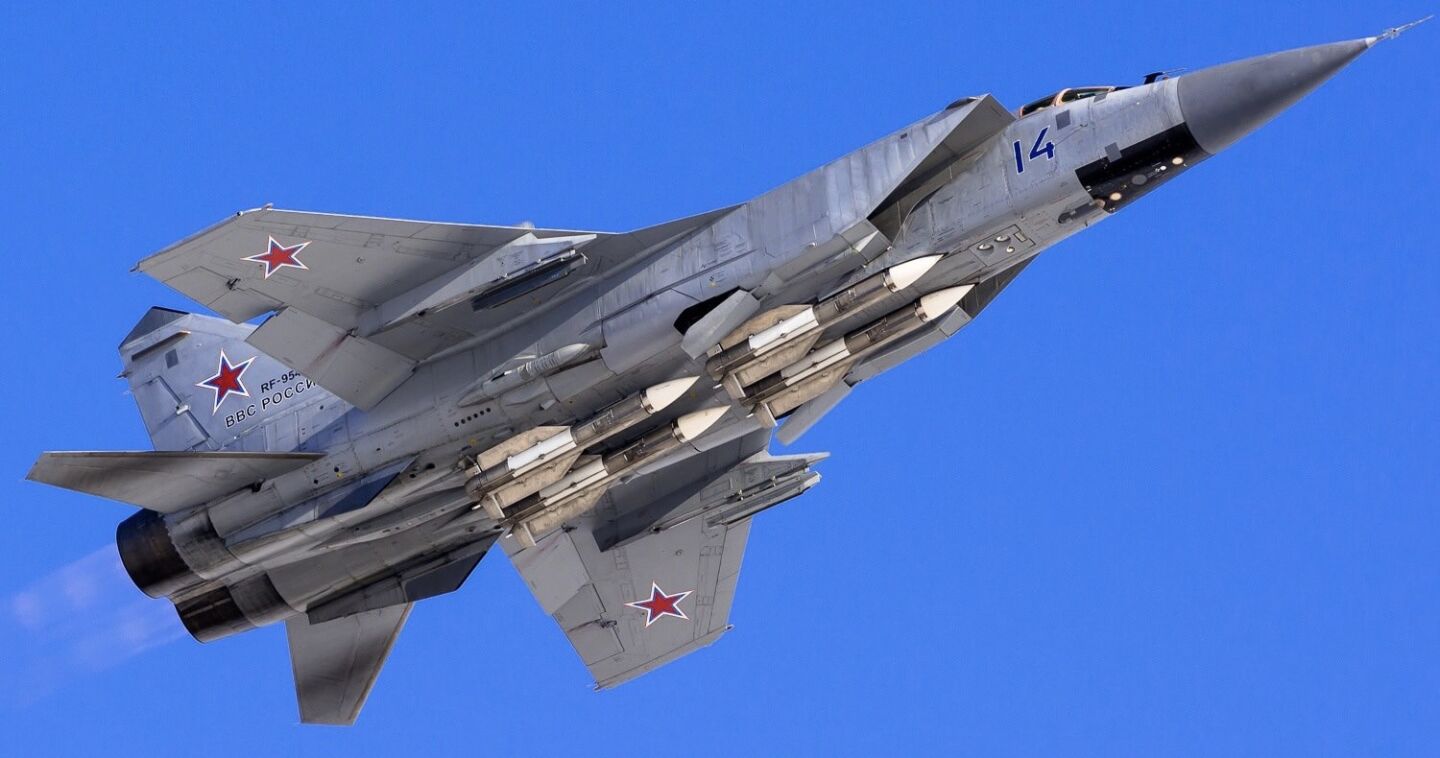
Other than one possible kill by an Iranian F-14, no air-to-air shootdowns of a MiG-25 operating at its standard cruising altitude and speed would ever be achieved despite multiple attempts by several countries. The MiG-25 thus reflected one of the most outstanding achievements of the Soviet combat aviation industry, with the aircraft retired from Russian service only in 2013, and without a viable replacement. The aircraft’s successor and close derivative, the MiG-31 Foxhound, continues to in many respects be the most capable tactical combat jet in Russian service by measure of its air-to-air performance, as has been demonstrated repeatedly in the Ukrainian theatre. It remains in serious question whether post-Soviet Russia will ever be able to develop new generations of combat jets with comparable international standings.
