
Why the Thai-Cambodian Border is the Only War Zone Where the F-16 Still Dominates
Military Watch Magazine Editorial Staff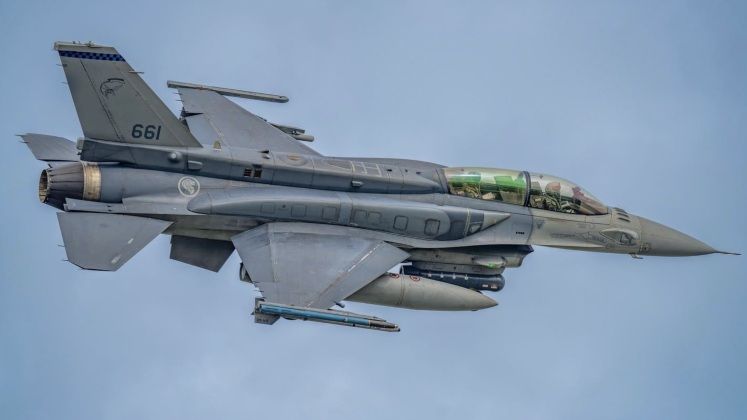
F-16D Fighter
The Royal Thai Air Force has employed its F-16A/B fighter aircraft for five days of intensive air strikes on Cambodian targets, following the launch of Operation Sattawa on December 10 which is aimed at seizing a number of localities in northern Cambodia. The service first procured the aircraft in the early 1990s, which were supplied from the U.S. Air Force’s post-Cold War surpluses, after which seven additional F-16s were delivered as aid by Singapore in 2005. The F-16 first entered service in 1978, and even in the time was considered to have highly constrained capabilities compared to rival aircraft such as the much heavier and longer ranged F-15 air superiority fighter, and the Soviet MiG-23ML fighter and MiG-25 interceptor. Although the fighter has seen its international standing continue to decline, and is widely being phased out of service across the world, the Thai-Cambodian War remains the sole theatre where it has continued to retain dominance.
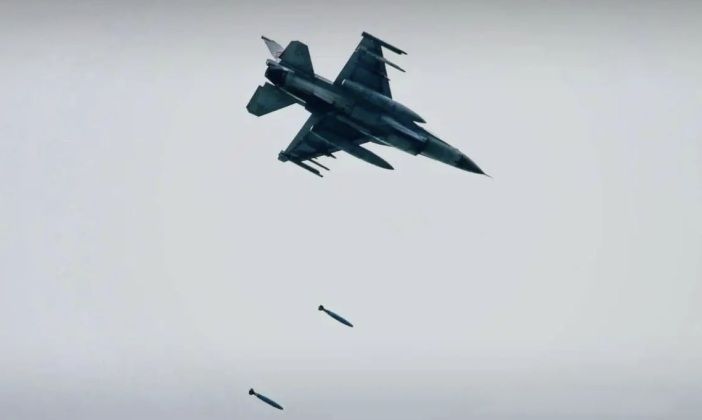
F-16 operations were first reported to have been launched around 7:15 on December 10, supplementing heavy artillery fire targeting the the Ta Moan Thom, Thmar Doun and Ta Krabey temple areas by launching air strikes with unknown types of ordinance. Operations subsequently intensified at 9:40, when several F-16s bombed multiple targets including Mom Bei, An Ses Phnom Kmoch, and the Preah Vihear temple. At 9:45 F-16s flew over the O'Bei Choan commune and Poipet city, and five minutes later further F-16s were reported to have overflown the Stueng Bot roundabout in Poipet city, dropping two bombs on Slakram village in Svay Chek district, Banteay Meanchey province. Further strikes would continue to be reported that day and over the subsequent four days, with footage from the theatre showing the aircraft frequently overflying Cambodian territory.
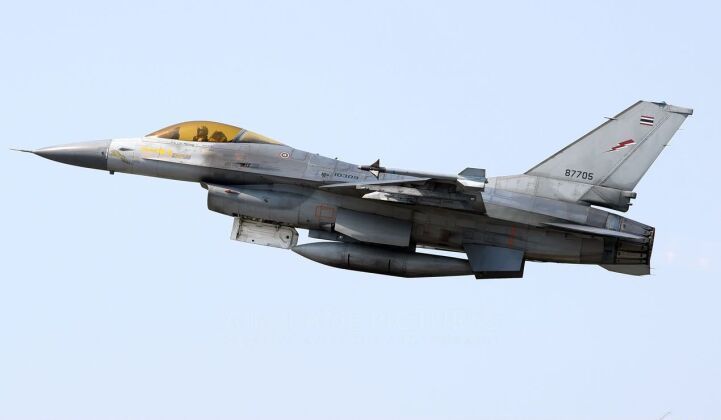
Although Thailand’s F-16s are far from outstanding in their capabilities even by the standards of the late Cold War era and 1990s, they have been able to provide a major advantage in the conflict and operate freely primarily due to Cambodia’s total lack of fighters or any air defences beyond very short ranged point defence systems. While even Vietnam War era medium and long range air defence systems such as the S-125 and S-75 have demonstrated the ability to threaten fighters more capable than Thai F-16s, Cambodia’s airspace is among the most vulnerable that any F-16 operator may launch strikes against. The F-16A/B’s lack of stealth or advanced electronic warfare capabilities and obsolete radar leaves it highly vulnerable, particularly without support of advanced electronic support aircraft, with the degree of dominance the Thai fleet has exercised reflecting the Cambodian Armed Forces’ almost total lack of preparation to repel adversary air strikes.
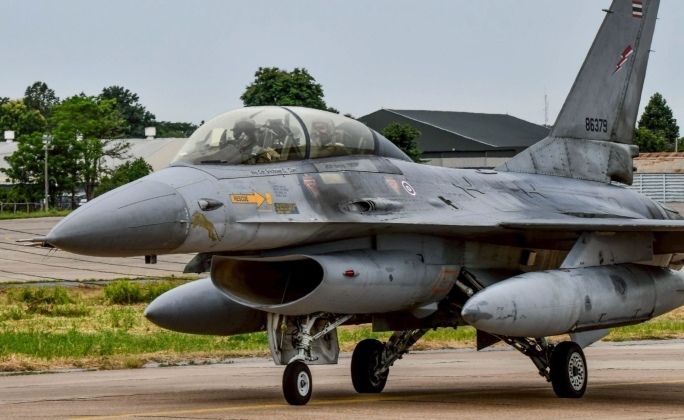
The current conflict raises the possibility that Cambodia will in future invest in procuring air defence systems such as the Chinese medium range HQ-16 or long range HQ-9, which even in limited numbers would seriously limit the F-16’s ability to operate. Such ground-based systems could be particularly attractive for their much lower sustainment costs and training times compared to fighter aircraft. The future of the Royal Thai Air Force’s own fleet also remains in question, as although the United States previously refused to supply F-35 fifth generation fighters under the Biden administration, indications of a more lenient policy towards exports under the current Trump administration could pave the way to a sale before the end of the decade.
