
What is Behind Claims Venezuelan Air Defences Tracked Approaching F-22 Stealth Fighters
Military Watch Magazine Editorial Staff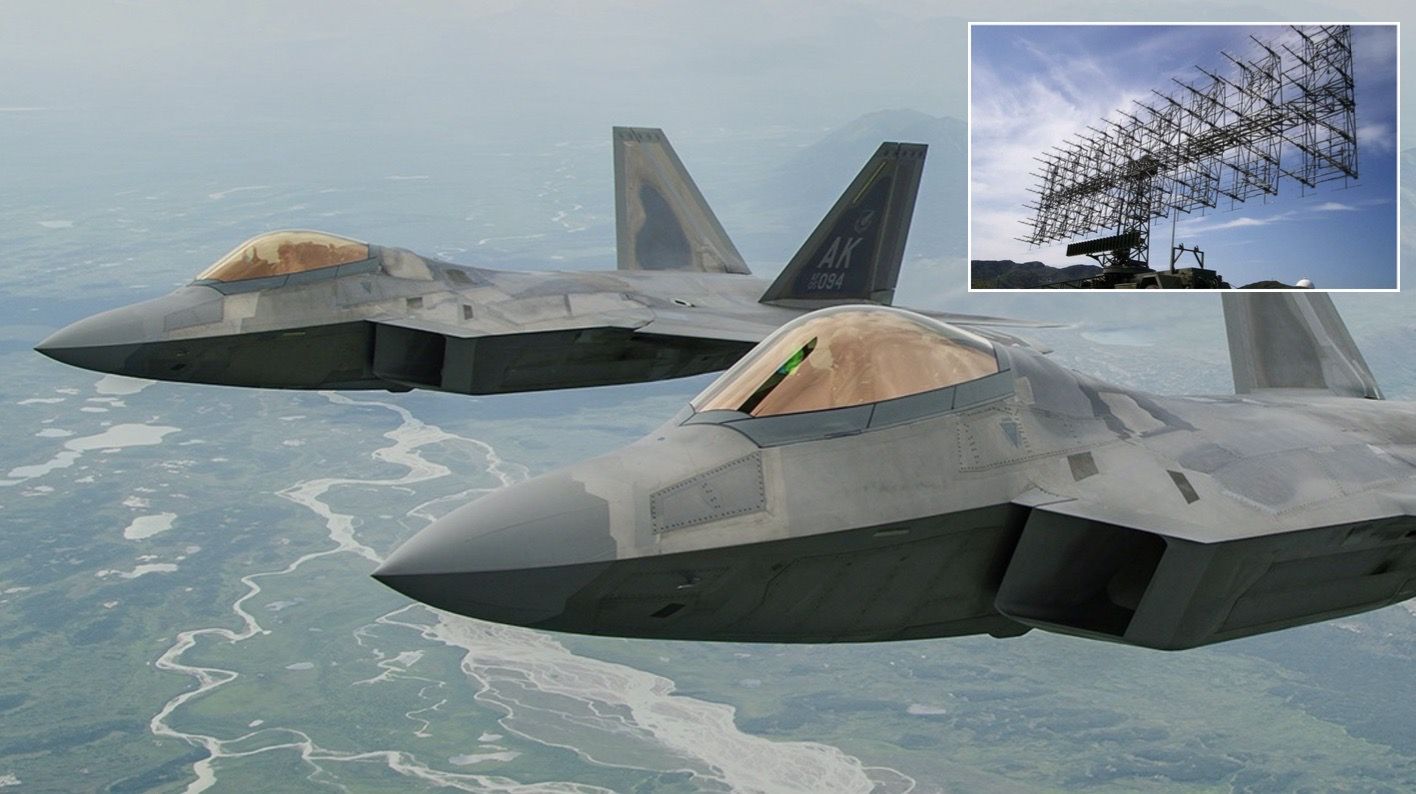
F-22 Raptors and JY-27 Early Warning Radar
Amid rising tensions between Venezuela and the United States, and following claims by Caracas that it had apprehended mercenaries of American origin seeking to forcefully overthrow the country’s government, a number of reports emerged from May 12th that Venezuelan air defences had tracked approaching F-22 Raptor fighter jets from the United States Air Force. The F-22 is America’s most capable stealth fighter and the only one which is currently fully operational. It is designed to evade detection by enemy radars, and its radar cross section is considerably lower than either foreign rivals such as the Russian Su-57 or its lighter and cheaper counterpart the F-35. Venezuela reportedly used a Chinese JY-27 long range early warning radar to track the Raptors near its airspace.
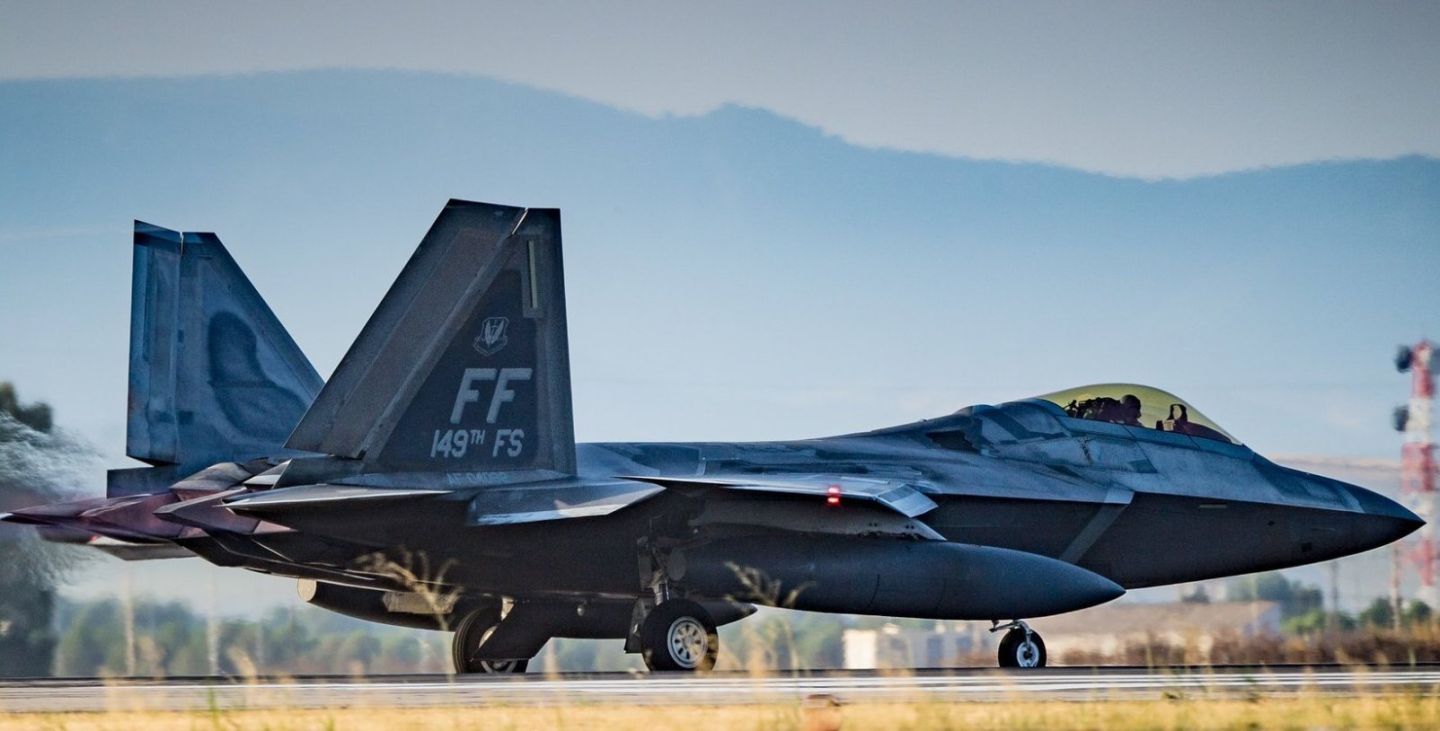
Whether or not Venezuelan radars did manage to detect or track American F-22s remains unconfirmed, and further clarification is unlikely to be forthcoming. A number of factors, however, make it highly possible. Unlike the B-2 Spirit stealth bomber, which is designed to be effectively invisible to radars using a flying wing design, stealth fighters like the F-22 can be detected by advanced radar systems, particularly those with long wavelengths, meaning it is far from unthinkable that the JY-27 did so. The Raptor does not rely on being undetectable for survivability - but instead on the difficulties of tracking and locking onto it which complement its advanced flight performance and high manoeuvrability in combat. It is also of note that the F-22 often flies either with external fuel tanks, which increase it’s sortie range but seriously undermine its stealth capabilities, and with luneberg reflectors. These reflectors are designed to maximise the aircraft’s radar signature, both to prevent enemy air defence systems from examining its capabilities and to allow air traffic control to detect the aircraft for safety reasons.
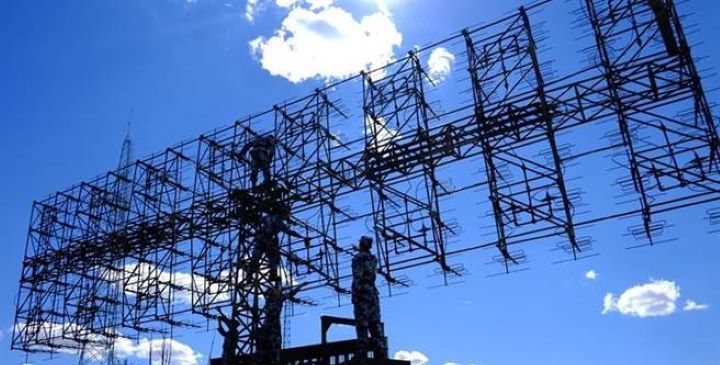
If either of these were the case, then the detection does not represent a major achievement for Venezuela’s armed forces. It is also notable, however, that U.S. officials have highlighted the potential future vulnerability of the Raptor due to the extensive information gained on the platform by Russia while F-22s were operating over Syria within range of Russian sensors. This ‘treasure trove’ of information on the Raptor is likely to have been made available to Venezuelan forces by their Russian advisers, which can provide key insight into how to counter the Raptor in the air. Chances of detecting then Raptor would only increase if other radar systems, including those from Venezuelan S-300VM systems, were also active and sharing data with the JY-27 and other systems.
