
Venezuelan Su-30 ‘Aggressively Shadows’ American EP-3 Signals Intelligence Aircraft Near its Borders
Military Watch Magazine Editorial Staff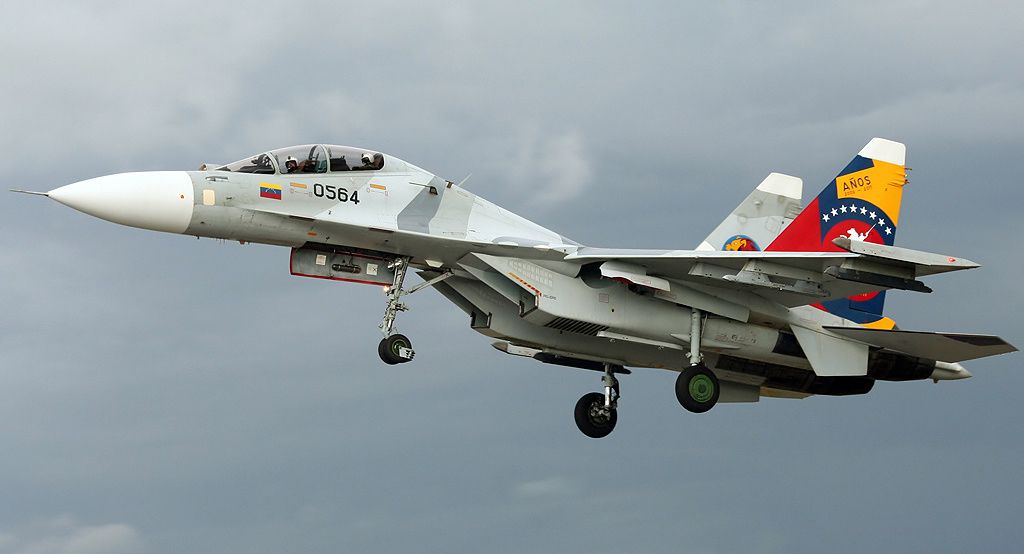
Venezuelan Air Force Su-30MKI Twin Engine Fighter
The U.S. Southern Command has reported that Su-30MK2 fighter jets from the Venezuelan Air Force made an ‘unsafe approach’ to a U.S. Navy EP-3 Aries II signals intelligence aircraft in international airspace near Venezuelan territory. The American aircraft was conducting a ‘detection and monitoring’ mission in the area. Southern Command issued the following statement regarding the incident: "After reviewing video documentation, we have determined the Russian-made fighter aggressively shadowed the EP-3 at an unsafe distance in international airspace for a prolonged period of time, endangering the safety of the crew and jeopardizing the EP-3 mission.”
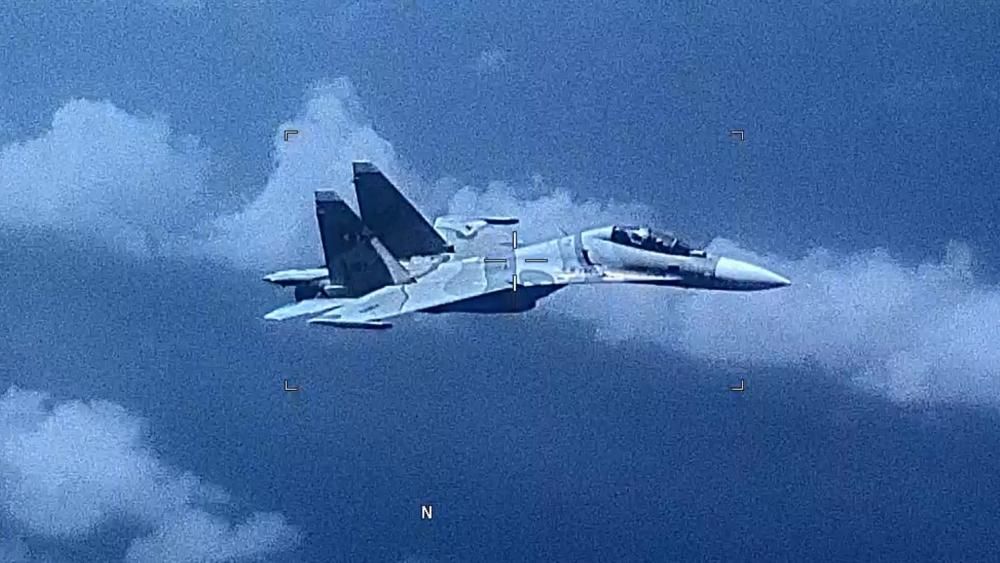
Venezuela’s dispatching of Su-30 fighters to intercept the American aircraft was, according to the South American state’s own armed forces, due to the EP-3’s violation of ‘security of air operations and international treaties.’ The fighters ‘proceeded to intercept the aircraft through two airplanes of the Bolivarian Air Force with the intention of applying the international protocols established by the International Civil Aviation Organization (ICAO). As the US aircraft did not comply with such protocols, it was forced to vacate (Venezuelan airspace).’ The Su-30MK2 is considered the most capable fighter jet in Latin America by a considerable margin, and integrates advanced Russian technologies including state of the art sensors, advanced R-27ER and R-77 long range missiles and two dimensional thrust vectoring engines. 23 of the fighters are currently deployed by the Venezuelan Air Force, with Caracas reportedly having planned further acquisitions of high end Russian jets before it was hit with economic crisis. Tensions between the United States and Venezuela have remained high for over two years, with the former repeatedly calling for the ouster of the latter’s government and the imposition of a new regime friendly to Western interests. Venezuela has received considerable military and economic assistance from Russia and China as well as diplomatic support from North Korea, and the longevity of its government has repeatedly exceeded Western estimates despite considerable U.S., Canadian and European economic pressure on the state.
