
U.S. Air Force Using New Testing Methods to Accelerate Urgent F-47 Fighter Program: China Remains Far Ahead
Military Watch Magazine Editorial Staff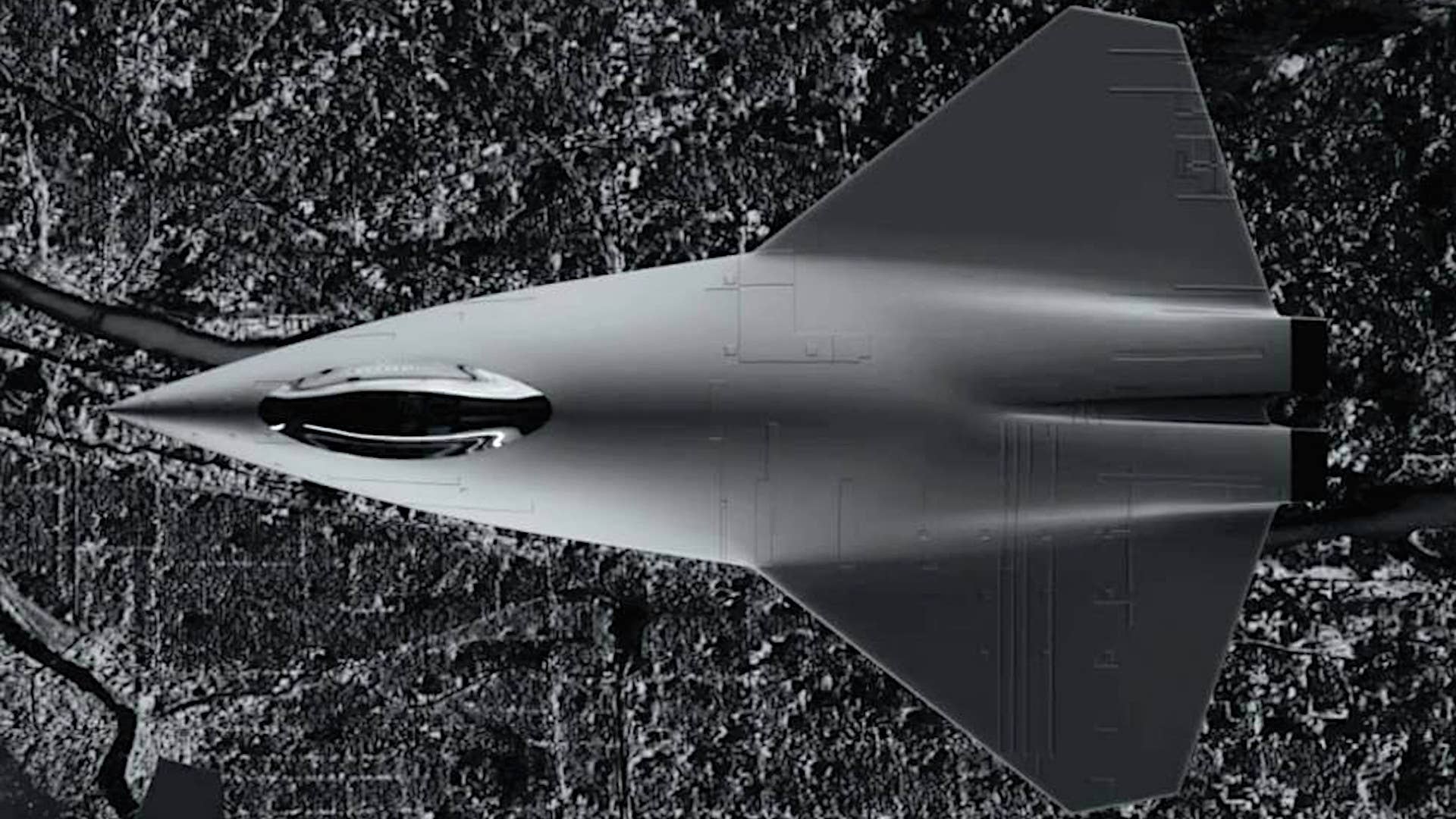
U.S. Sixth Generation Fighter Concept Art
The U.S. Air Force is preparing an advanced flight-testing program for its F-47 sixth generation fighter, combining conventional flight tests with digital modelling, simulation and earlier operational evaluations to accelerate the aircraft’s development. The Air Force Test Center (AFTC), based at Edwards Air Force Base in California, is working to ensure it can begin testing the aircraft’s critical capabilities as soon as the first example takes to the air, currently scheduled for 2028. The service aims to introduce the first operational aircraft in the early 2030s, placing considerable emphasis on reducing the time between the fighter’s maiden flight and its entry into service. Analysts have widely questioned whether industry can meet the Air Force’s schedule, particularly when considering the long history of very protracted delays affecting all prior post-Cold War era programs.
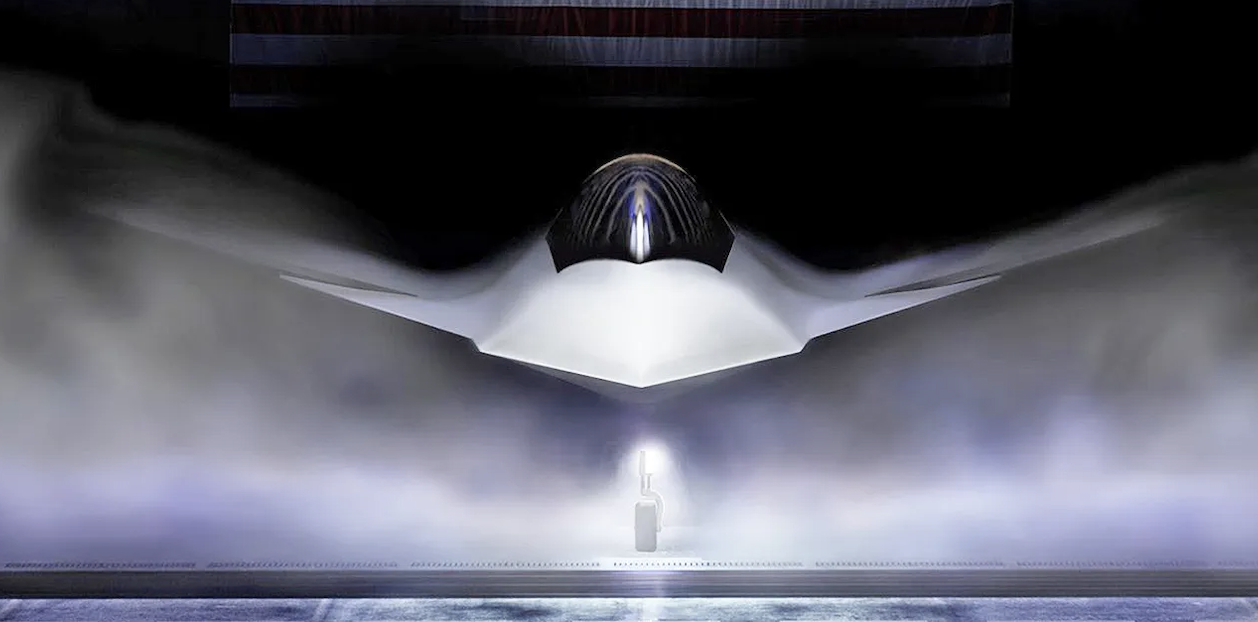
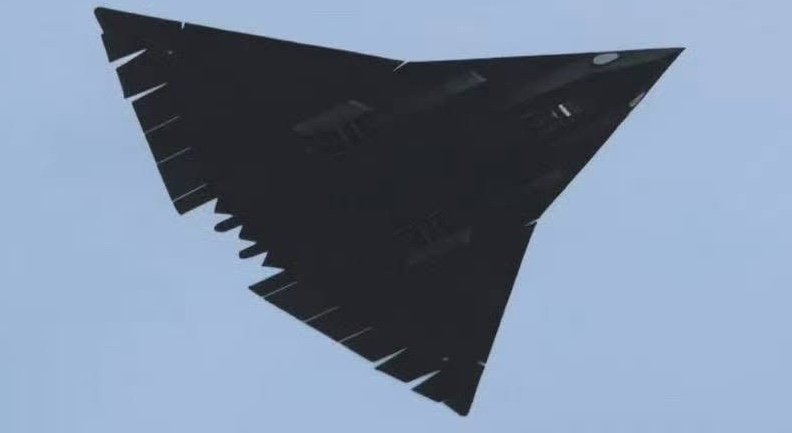
Prior hopes in the United States that use of advanced digital assembly and testing technologies could significantly accelerate sixth generation development and reduce costs proved short lived, with the value of these technologies conceded by Air Force Secretary Frank Kendall in 2023 to have been “over-hyped.” With the preceding F-22 and F-35 fifth generation fighters having taken over 15 years between entering their Engineering, Manufacturing and Development phases, and entering service, the fact that the NGAD fighter only entered this phase in the mid-2020s indicated it may not enter service until the latter half of the 2030s. China’s unveiling of two flying sixth generation technology demonstrators in December 2024, and the rapid progress it has subsequently made on both flight testing programs, has caused a growing sense of urgency in the United States.
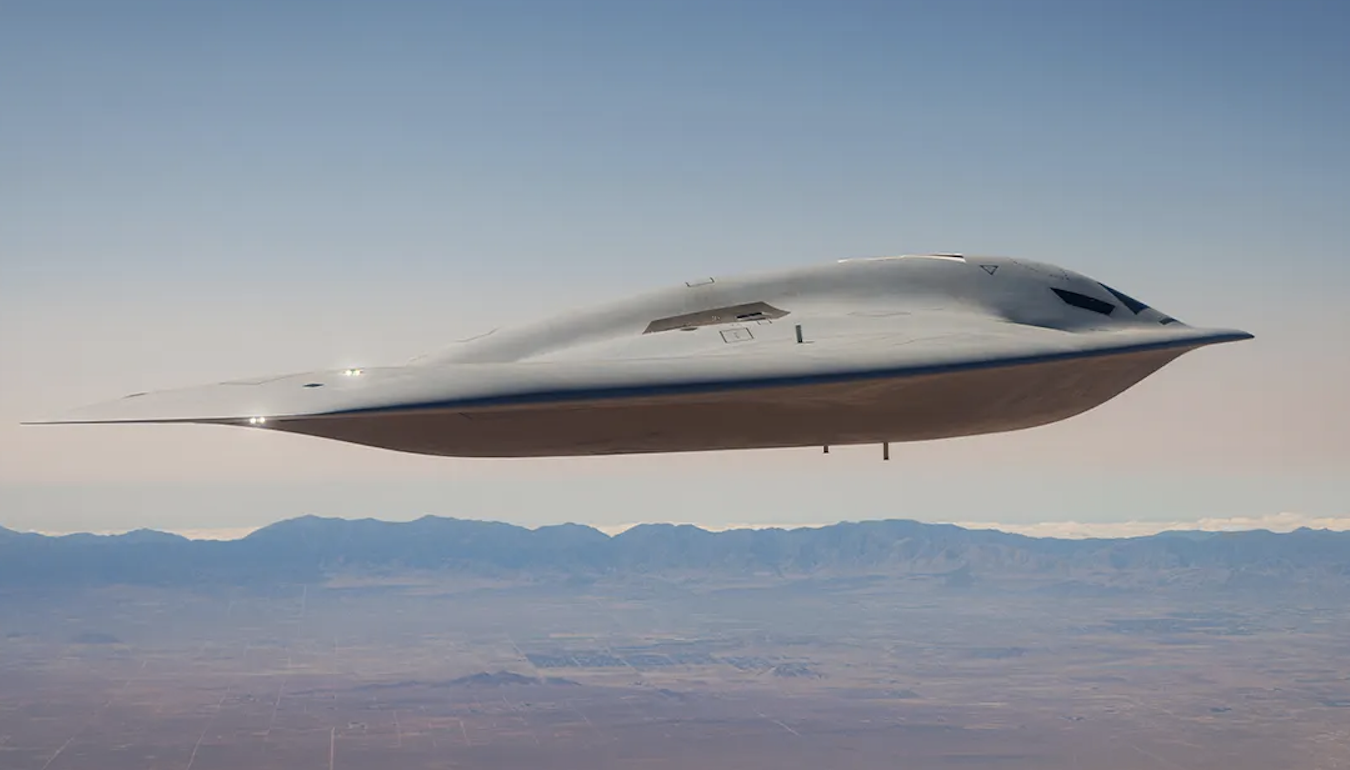
Brigadier General Mark Massaro, commander of the Air Force Test Center, outlined the approach on October 6, emphasising the importance of integrated testing under which developmental test and operational test activities are conducted in closer coordination. Rather than waiting for developmental testing to be completed before beginning substantial operational evaluations, the Air Force intends to involve operational test personnel earlier in the process, allowing requirements to be established and assessed throughout the aircraft’s development. The approach builds on testing methods introduced elsewhere in the U.S. Air Force. The F-15EX fighter became the service’s first aircraft to be fully tested and fielded through developmental and operational testing conducted in parallel, while the B-21 strategic bomber has also incorporated developmental and operational test pilots into the same flight-testing process.
Software testing is expected to be another major component of the program. Massaro described an iterative approach in which software and aircraft capabilities can be evaluated continuously, with test results providing decision-makers with regular updates on what can be delivered to operational forces. This could allow the Air Force to introduce usable capabilities as they mature rather than tying their delivery exclusively to conventional program milestones. Digital engineering will also be used to shorten the time required to analyse flight-test results and incorporate them into design decisions. The AFTC is employing increasingly powerful graphics-processing hardware and advanced software tools to refine digital models. Data collected during physical flight tests can then be fed back into computational fluid dynamics models and other simulations, improving their accuracy and helping engineers assess the consequences of potential design changes more rapidly.
Massaro specifically highlighted the value of using flight-test information to refine models of aircraft loading and high-angle-of-attack manoeuvres. These activities generate data that can help engineers understand how an aircraft behaves under demanding flight conditions. Incorporating the results into digital models can improve subsequent simulations and provide information more quickly to those responsible for deciding whether changes to the aircraft’s design are necessary. The Air Force nevertheless intends to retain physical flight testing as an essential part of the process. Massaro stressed that digital models must remain grounded in real-world physics and verified against actual test data. Although simulations can reproduce increasingly complex environments, they cannot fully replace the need to understand how an aircraft and its systems behave under real conditions.
