
U.S. XA103 Engine Poised to Supercharge the F-35 Fighter Completes Key Review
Military Watch Magazine Editorial Staff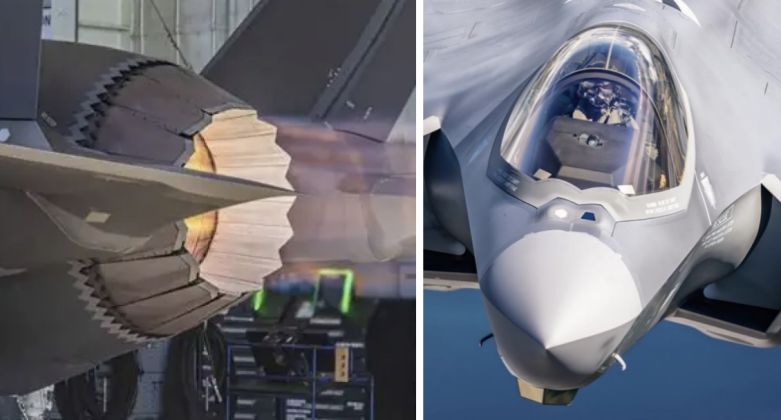
F135 Engine and F-35 Fighter
Leading U.S. jet engine manufacturer Pratt & Whitney has completed a fully digital assembly readiness review for its XA103 adaptive engine, which is the major design-phase hurdle before the procurement of hardware to build the first prototype. The review leveraged digital engineering and testing technologies that have been hailed from 2020 for their potential to accelerate the development of new generations of combat aircraft, although their applicability for developing sixth generation fighters in the United States was in May 2023 criticised by Air Force Secretary Frank Kendall as “over hyped.” The XA103 is being developed for the U.S. Air Force’s Next Generation Adaptive Propulsion program, the engine from which is expected to power the Air Force F-47 and Navy F/A-XX sixth generation fighters.
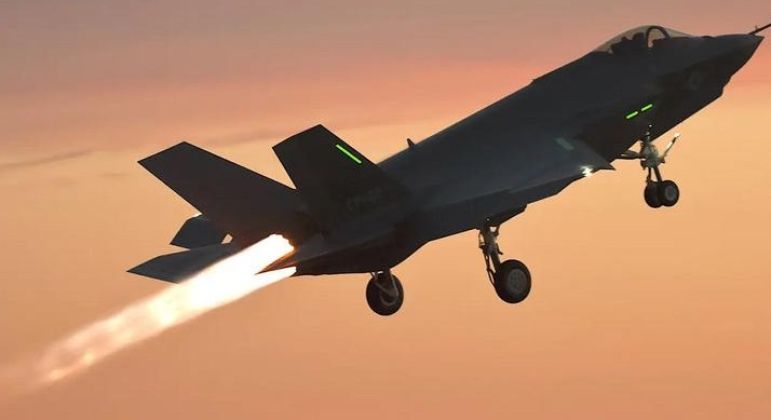
Commenting on the new testing milestone, president of Pratt & Whitney’s Military Engines business Jill Albertelli observed: “The performance we expect this engine to deliver exceeds anything available today, reinforcing the critical importance of continuous improvement and stable investment in maintaining propulsion as a strategic competitive advantage.” Adaptive cycle engines use a “third stream” of bypass air system for greater efficiency and cooling and an adaptive cycle intended to significantly increase thrust and endurance. The Next Generation Adaptive Propulsion program was initiated following the cancellation of a previous adaptive cycle engine development effort, the Adaptive Engine Transition Program, which was projected to achieve fuel burn reductions of 25 percent compared to the F135 - the current most advanced fighter engine fielded in the Western world.
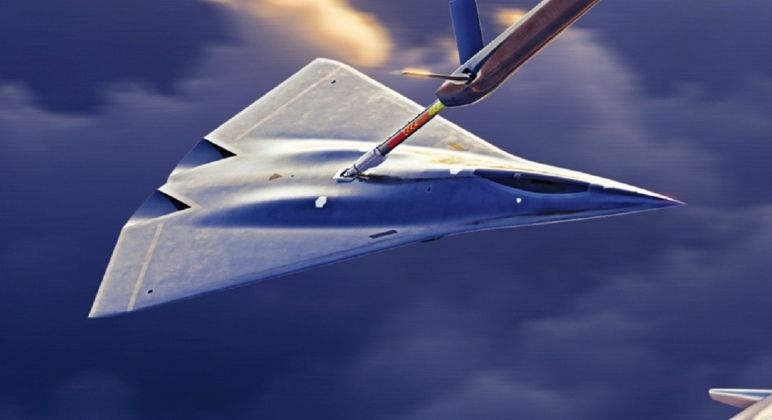
The Adaptive Engine Transition Program was previously expected to power the F-35 fight generation fighter, as well as sixth generation fighters, with its cancellation having been widely criticised for seriously limiting the combat potential of the older aircraft. With the futures of the F-47 and F/A-XX programs both remaining highly uncertain, while neither is expected to enter service before 2040, it remains highly likely that the engine developed under the Next Generation Adaptive Propulsion program will be considered for integration onto the F-35. This would represent part of broader efforts to enhance the aircraft to narrow the gap with Chinese sixth generation fighters, as the U.S. is projected to be close to a decade behind China in operationalising its own sixth generation fighters.
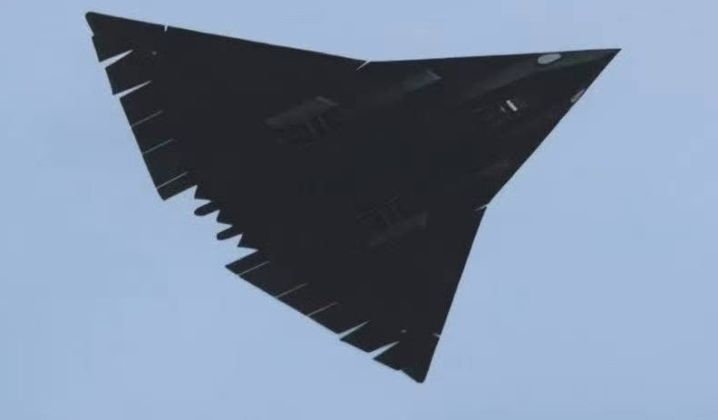
The Next Generation Adaptive Propulsion engine would significantly improve the F-35’s range and its flight performance, while increasing power available to onboard subsystems such as future radars, electronic warfare systems, and directed energy weapons. Power generation and cooling capabilities remain a key shortcoming of the F135, with the power requirements of the F-35 continuing to grow as the fighter is modernised, while those of the F-47 and F/A-XX are expected to be considerably higher still. The engine’s power and thermal management capabilities are also expected to be very considerably superior to those of the F135. Following China’s unveiling of two new sixth generation fighters in December 2024 already at flight prototype stages, Lockheed Martin CEO Jim Taiclet has repeatedly pitched a ‘5+ generation’ variant of the F-35 to the Pentagon, with an adaptive cycle engine either developed under the Next Generation Adaptive Propulsion program, or derived from its technologies, expected to be at the heart of any such effort.
