
U.S. and Russia Both Lose High Value Strategic Bombers in Crashes: B-52H and Tu-22M3 Have No Near Term Replacements
Military Watch Magazine Editorial Staff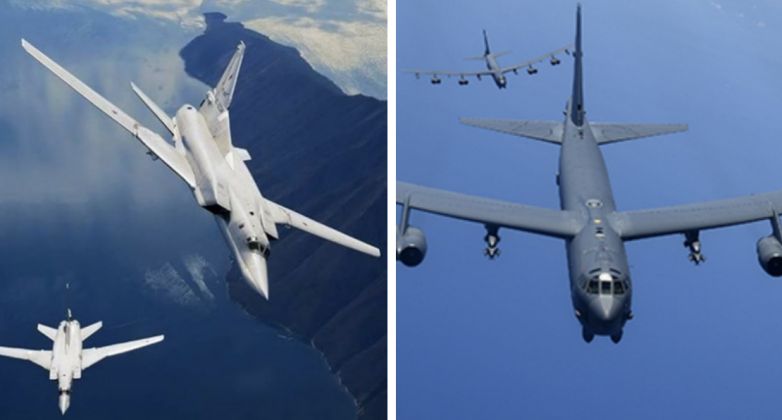
Tu-22M3 (left) and B-52H Bombers
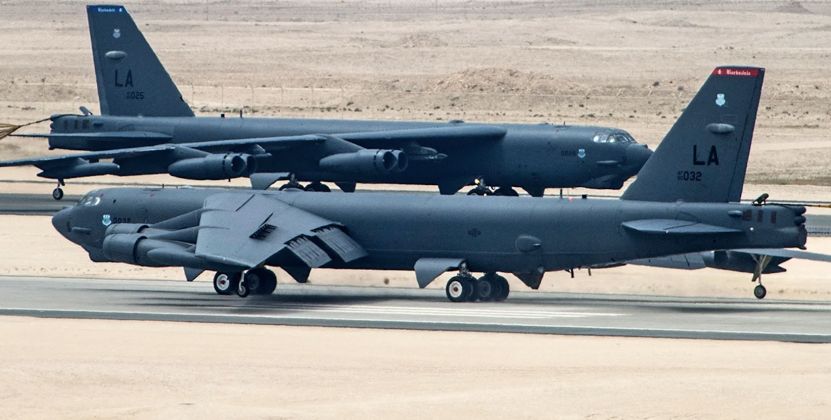
On June 15 a U.S. Air Force B-52H intercontinental range strategic bomber crashed shortly after takeoff from Edwards Air Force Base, killing all eight crew members. This aircraft was a key test vehicle assigned to the 412th Test Wing. and had recently been equipped with the new AN/APQ-188 active electronically scanned array radar for testing as part of the B-52J upgrade program. The B-52 currently makes up the large majority of the United States strategic bomber fleet, and is relied on for both strategic nuclear deterrence and to serve as a cruise missile launch platform for tactical strikes. The crash is expected to delay the B-52J program, which is already far behind schedule and has suffered from very serious cost overruns. Wide ranging issues with the critical program have fuelled speculation that it may be cancelled.
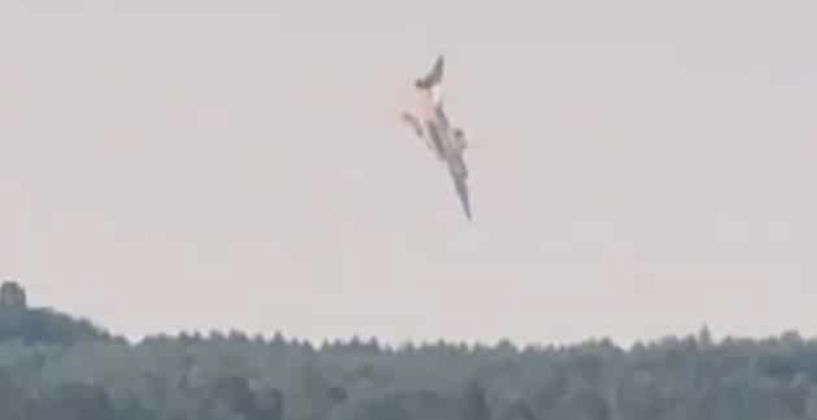
Also on June 15, a Russian Aerospace Forces Tu-22M3 supersonic bomber crashed during its landing approach in the Irkutsk region of southeastern Siberia. Video footage shows the bomber nose-down sharply before crashing, emitting a thick plume of black smoke. The Russian Ministry of Defence stated that the bomber was not carrying any combat payload, that all crew members ejected safely, and that there were no casualties or property damage on the ground. The Tu-22M3 is one of three bomber types in Russian service, and is a smaller and shorter ranged design than the Tu-95 or Tu-160, although it can still reach low intercontinental ranges. The bomber was designed primarily for anti-shipping roles, with its integration of Kh-22 cruise missiles making it the most capable aircraft for such missions in the world. The bombers have played a significant role in the Russian-Ukrainian war primarily as launch platforms for Kh-22 strikes on Ukrainian targets.
The B-52 and Tu-22M3 have remained in service for decades primarily because no direct successors have been developed that fully replicate their combinations of payload, range, flexibility, and cost-effectiveness. Large bombers require significant investments in design, testing, and production, which resulted in both the U.S. and Russia making only very conservative investments in developing new designs after the end of the Cold War. The United States currently has no strategic bombers in serial production, while Russia is producing the Tu-160 which is a much larger and longer arranged aircraft than the Tu-22M3, but was designed for tactical roles against closer targets. The significant decline in defence production in the United States and Russia since the end of the Cold War has made losses of Cold War era bombers and other strategic aircraft particularly detrimental since these cannot be replaced with new production aircraft. Both the U.S. and Russia are currently developing new generations of intercontinental range strategic bombers under the respective B-21 and PAK DP programs, with both having faced significant delays. The B-21 is expected to become fully operational in the early 2030s, but will still lack the B-52’s combination of low maintenance needs and a very high weapons carrying capacity.
