
U.S. Relying on 40 Year Old Fighters at Key Frontline Base Next to Taiwan as Ageing Fleet Limits Air Power
Military Watch Magazine Editorial Staff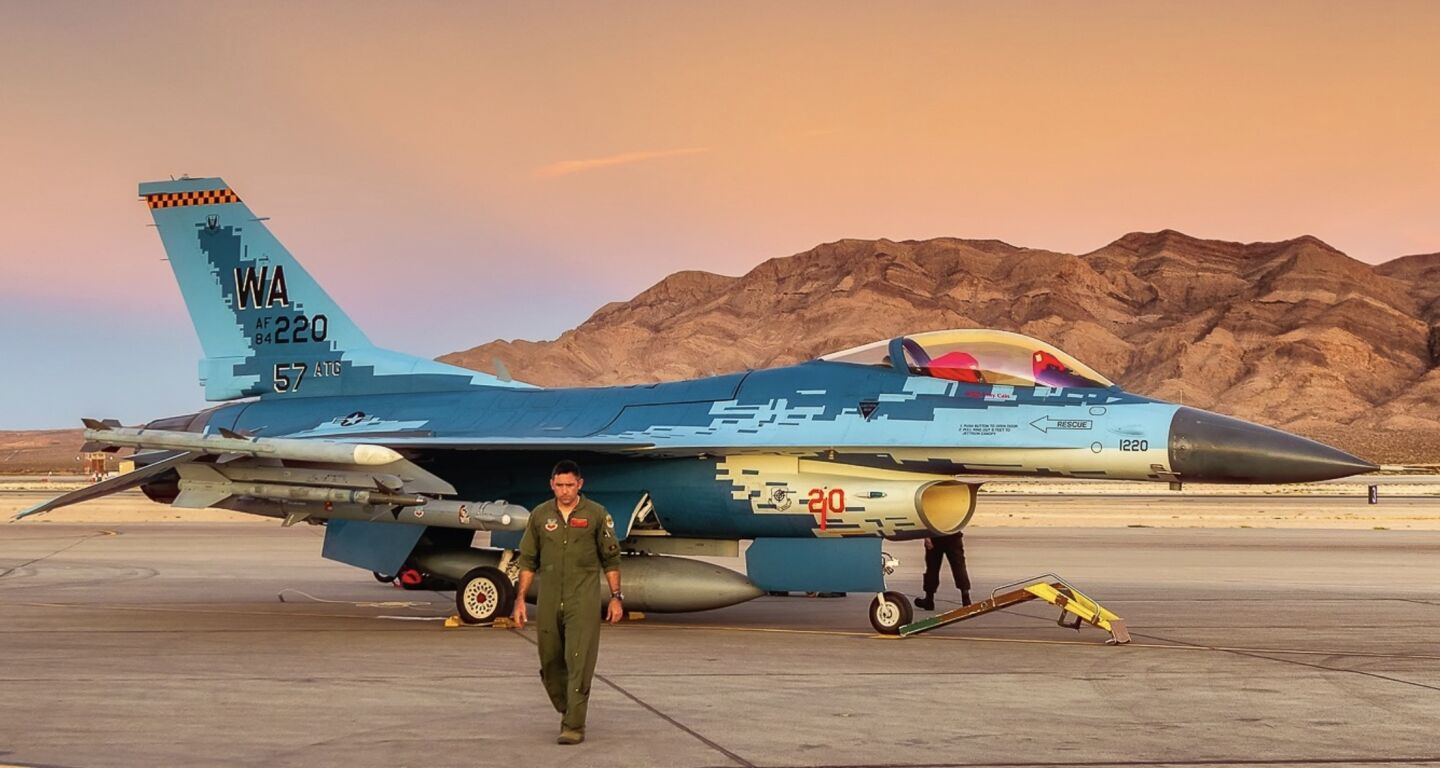
F-16 Fighter
An Air National Guard F-16 squadron's six-month deployment to Kadena Air Base in Japan has highlighted the growing age and strain facing the American fighter fleet, and its resulting growing limitations. The Colorado Air National Guard's 120th Fighter Squadron deployed a dozen F-16C Block 30 fighters to Kadena during 2026, which is one of the most strategically critical American bases in the world due to its proximity to a leading potential hotspot for Sino-U.S. tensions - the Taiwan Strait. The deployment was initially scheduled to run from January through May but was extended by approximately six weeks as the U.S. Air Force faced increased operational demands associated its assault on Iran.
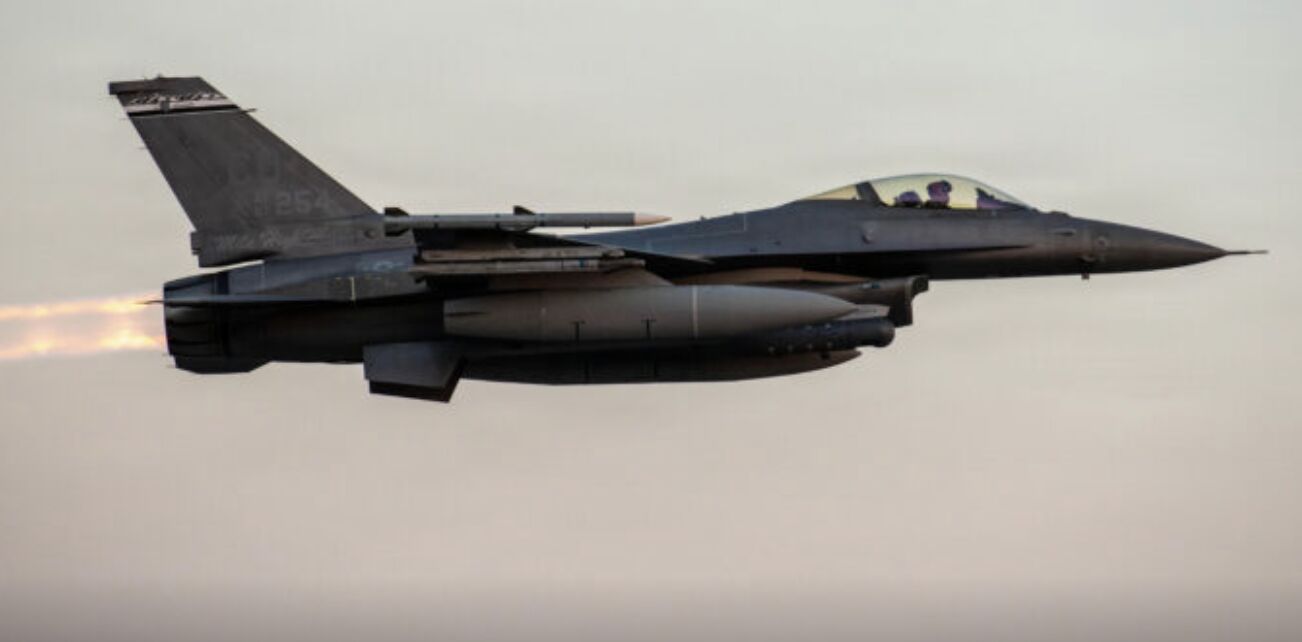
The F-16s deployed by the Colorado Air National Guard are themselves products of the Cold War. The Block 30 aircraft operated by the 120th Fighter Squadron date from the 1980s, and have served for approximately four decades, making them much older than any fighter type in Chinese service. Chinese fighter units are on average several decades more modern than their U.S. Air Force counterparts, reflecting a sharp decline in U.S. Air Force procurements after the Cold War, and particularly from the mid-2000s. Major shortcomings with and cuts to the F-22 fifth generation fighter program, and serious delays to the F-35 program followed by major reductions to procurement numbers, have been key contributors to the fast rising average ages of U.S. Air Force fighters.
The F-16s’ continued deployment to a frontline base in the immediate vicinity of a potential major-power conflict illustrates the growing mismatch between the age of much of America's tactical air fleet and the increasingly sophisticated threats it is expected to confront. Not only are the F-16s largely obsolete but decades of intensive flying have produced substantial structural and maintenance challenges. During the Kadena deployment, maintenance requirements for the Colorado unit's F-16s were reported to have increased to between 15 and 20 man-hours per flight hour, compared with approximately six to eight earlier in the aircraft's service lives. Structural problems, including increasing numbers of cracks in ageing airframes, have become a significant concern.
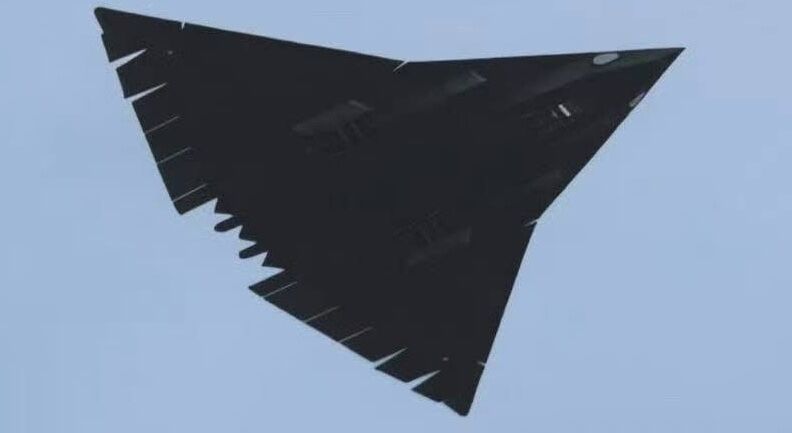
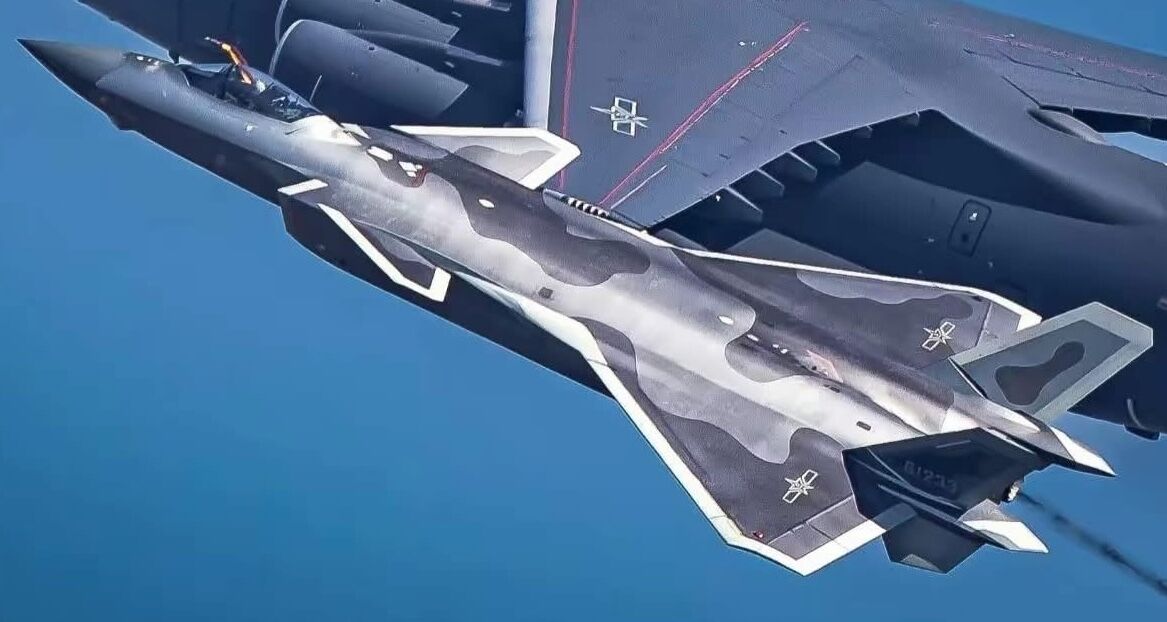
While F-15C/D fighters permanently based at Kadena were expected to be replaced by F-22 fifth generation fighters, the failure of the F-22 fifth generation fighter program to provide a viable successor to the Cold War era type meant there was no viable replacement from the next generation. F-15s have been replaced by a rotational presence of other fighter types, including F-16s, and are expected to eventually be replaced by a permanent deployment of F-15EX fighters, which have been modernised to a ‘4+ generation’ standard. The aircraft are far outmatched by new Chinese J-20 fifth generation fighters, while China is set to introduce its first sixth generation fighters into service around 2030, leaving the F-16 and F-15 close to two generations behind.
