
U.S. Plans for Space Warfare Dominance Undermined by Chinese and Russian Advances
Military Watch Magazine Editorial Staff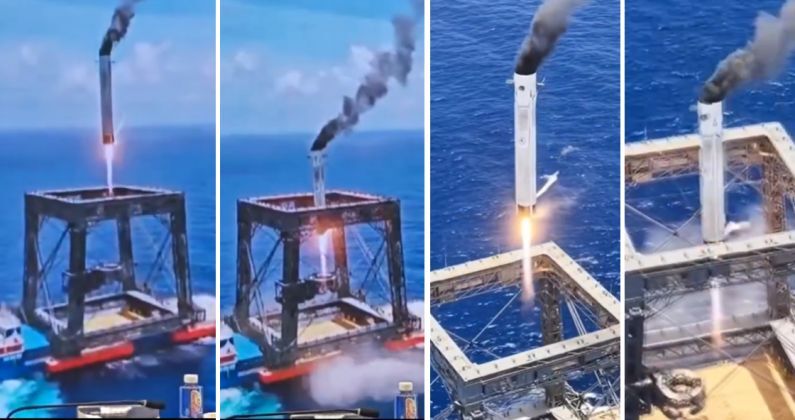
Chinese Long March 10B Rocket First Stage Recovery
Russia and China are rapidly developing capabilities that could challenge the long-standing American lead in space, with recent advances in satellite constellations and reusable rockets highlighting the accelerating competition. The Washington Post recently pointed to two developments in particular: Russia’s rapid deployment of its Rassvet low-Earth-orbit satellite network and China’s successful recovery of the first stage of its Zhuque-3 reusable rocket. Both developments address capabilities that have become central to America’s increasingly commercialised space architecture.
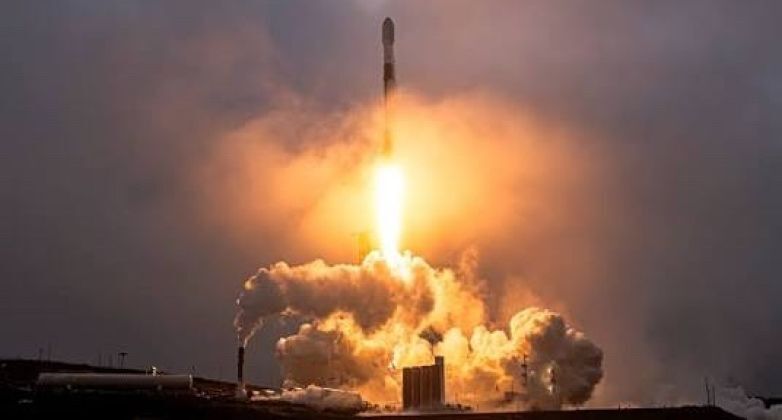
The competition is taking place in a space environment that has changed dramatically over the past decade. The United States, led by companies such as SpaceX and Blue Origin, has demonstrated that reusable launch vehicles can radically reduce the cost and increase the frequency of access to orbit. China and Russia are now developing comparable capabilities, the former very rapidly, while also building their own satellite networks that could provide military and commercial services previously dominated by U.S. systems.
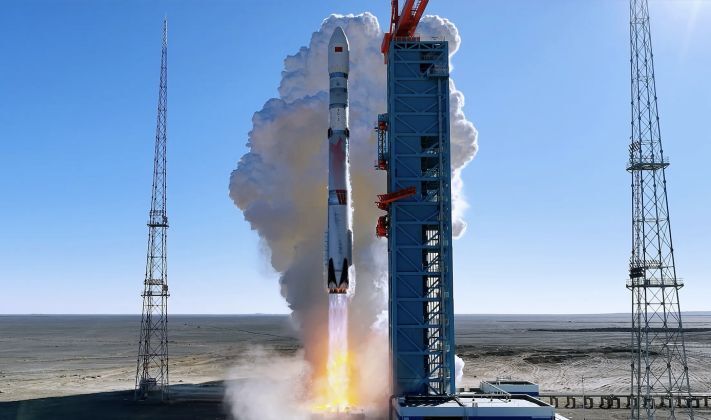
Launch frequency can become a competitive advantage in itself, as a company capable of launching frequently can replace satellites more rapidly, deploy larger constellations and spread fixed costs across a much greater number of missions. China’s reusable-rocket industry is rapidly providing a combination of high launch cadence and lower marginal launch costs. China’s first successful recovery of an orbital rocket in July was followed unusually quickly by another major milestone, as after the Long March-10B first stage was recovered using a net-capture system on July 10, the Zhuque-3 subsequently demonstrated a conventional controlled landing on August 19. The emergence of multiple recovery approaches suggests that China is no longer merely experimenting with the concept but is developing a broader reusable-launch ecosystem.
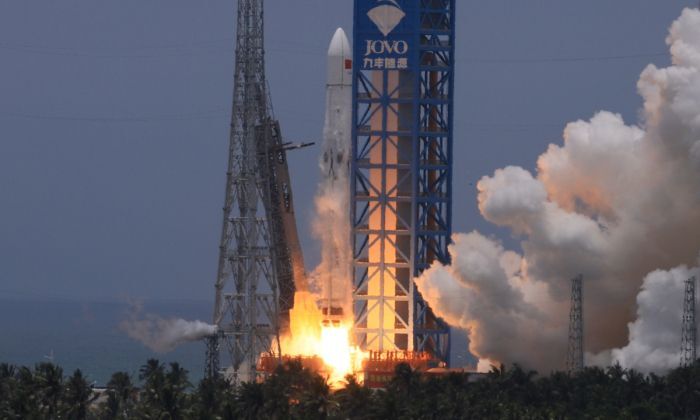
The Zhuque-3 is a particularly important development because it is being developed by a Chinese commercial company rather than exclusively by the country’s traditional state aerospace sector. The 66.1-meter rocket uses liquid oxygen and methane propulsion and is intended to support low-cost, high-capacity and high-frequency launches. Its first stage is powered by nine TQ-12A engines and is designed to be recovered and flown again, potentially allowing launch costs to fall substantially as operational experience accumulates.
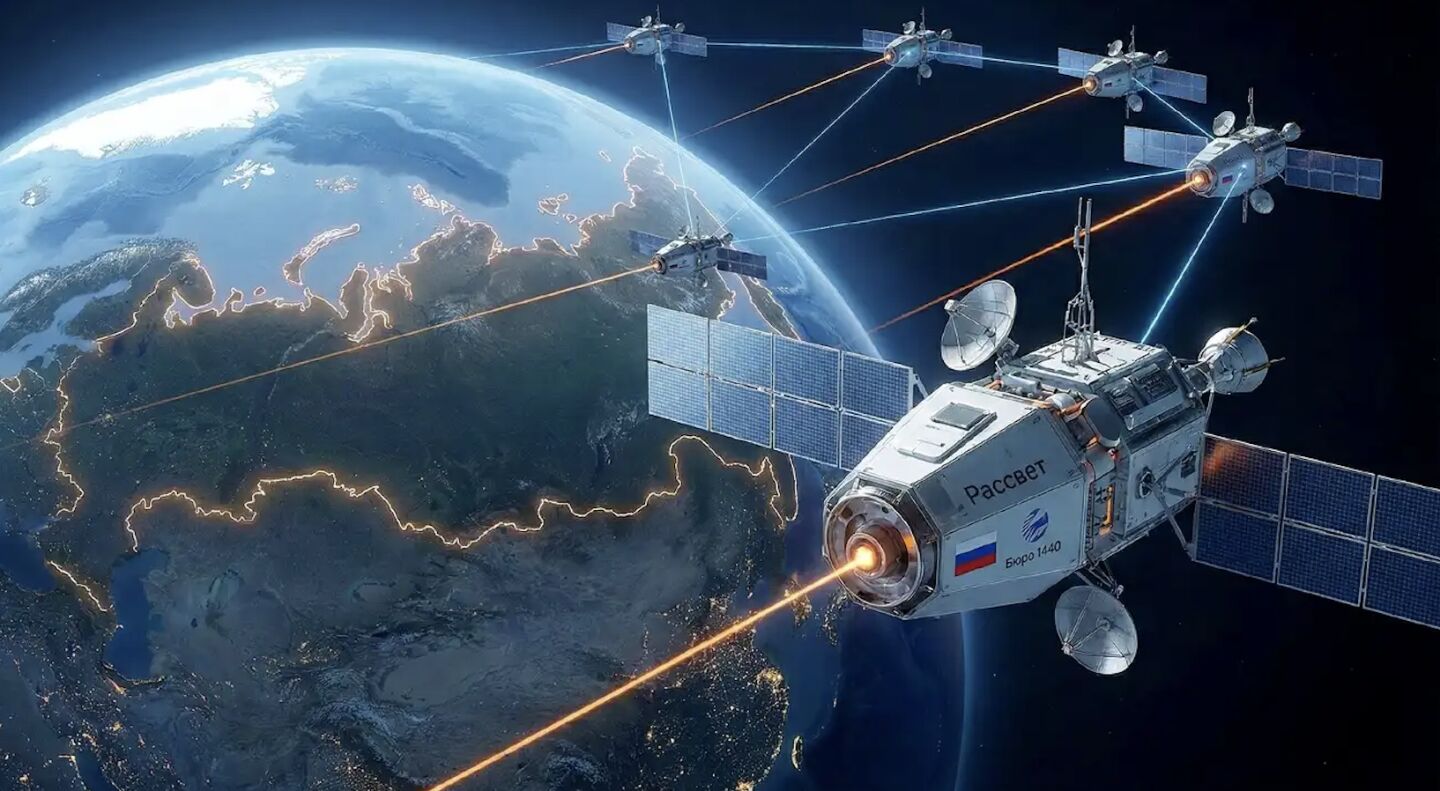
Reusable launch vehicles allow countries and companies to put satellites into orbit more frequently while reducing the amount of hardware that must be manufactured for every mission. That becomes particularly important when deploying large constellations containing hundreds or thousands of satellites. Russia’s Rassvet program has involved the rapid deployment of a low-Earth-orbit satellite constellation intended to provide internet connectivity and other services, with Moscow having already launched two satellite packages this year, earlier than expected, as it seeks to establish an alternative to Western satellite communications networks. Technological and economic limitations, however, mean it is expected to remain behind China and the United States.
