
U.S. Navy’s Most Heavily Armed Combat Ships Being Scrapped Without Replacement After Failed $3.7 Billion Life Extension Program
Military Watch Magazine Editorial Staff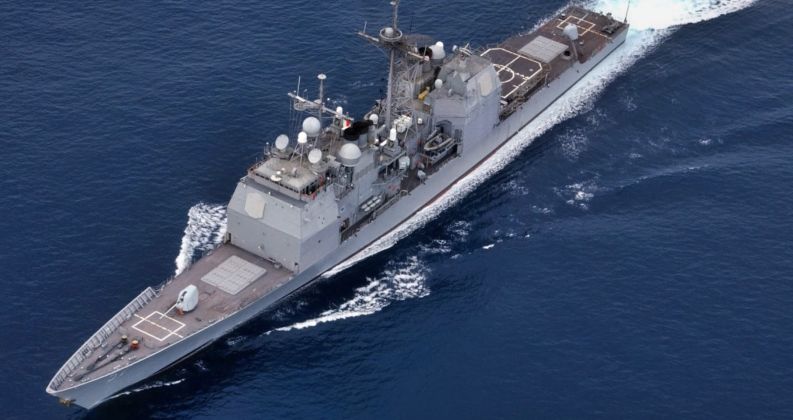
U.S. Navy Ticonderoga Class Cruiser
The U.S. Navy is preparing to fully withdraw its sole class of cruiser, the Ticonderoga class, from service, which will mark the end of an era as the service fields only more lightly armed combat ships. Built from 1980–1994, 20 of the 27 cruisers have already been retired, with the remaining seven scheduled to be withdrawn from service by 2030. The ships are notable for their integration 122 Mk 41 vertical-launch cells, the same as those integrated in smaller numbers on Arleigh Burke class destroyers, split between forward and aft arrays. These cells can fire Tomahawk cruise missiles, and SM-2, SM-3 and SM-6 surface-to-air missiles, optimising the vessels for both air defence and for satiation attacks on ground targets. The transition away from fielding cruisers follows years of systemic issues affecting the U.S. shipbuilding industry, which has raised serious questions regarding the viability of a future cruiser program.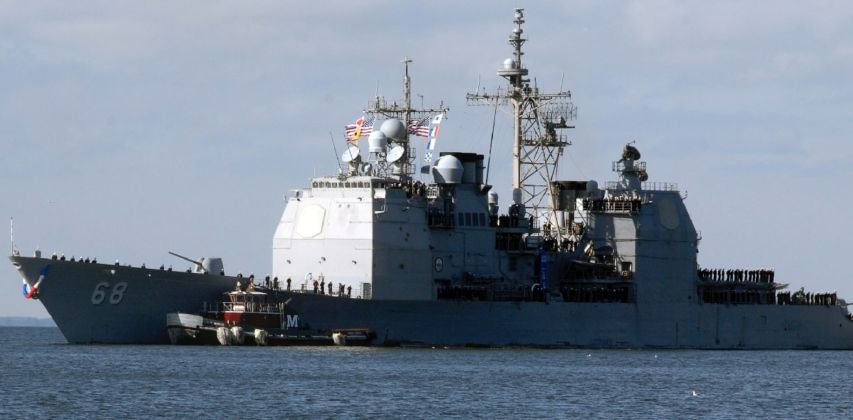
The Navy has faced growing challenges maintaining the Ticonderoga class fleet, while the ships’ modernisation potentials are even more limited than those of the ageing Arleigh Burke class destroyer fleet making it highly challenging to avoid obsolescence. Although large scale retirements were proposed in 2010, however, Congress rejected the proposal on the basis that removing cruisers would reduce the Navy's ability to provide air-defence coverage for carrier groups. This forced the Navy to develop the Cruiser Modernization Program, which was intended to extend the service lives of selected ships by upgrading electronics, combat systems, and structural components. Despite costing over $3.7 billion, however, the refurbishment did not significantly extend the lives of the ships or meaningfully improve their combat viability, leading the Navy to push more successfully from 2021 for accelerated retirements.
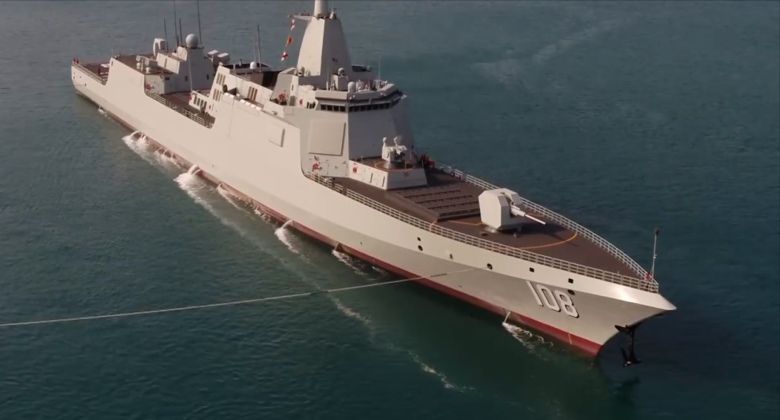
The Cruiser Modernization Program ran roughly 200 percent over its estimated costs and considerably behind schedule, with the difficulties the program faced reflecting many of the reasons why the Navy had sought to retire the ships rather than extend their lives. According to the Chief of Naval Operations, Admiral Michael Gilday, the cruisers were showing signs of serious material decline. “We’re seeing cracks … we’re seeing challenges in the material conditions” in ships that average over 30 years old, he observed. He further warned that the modernisation program was unpredictable, stressing that some of the older radar systems were “approaching obsolescence” in the face of modern missile threats. Many Ticonderoga class ships are approaching or exceeding 35 years of service, with corrosion, fatigue, and mechanical wear having increased maintenance requirements significantly. The low levels of automation, meanwhile, mean that each cruiser carries around 300–400 sailors, significantly more than newer ships with similar capabilities, which is a significant contributor to operational costs.
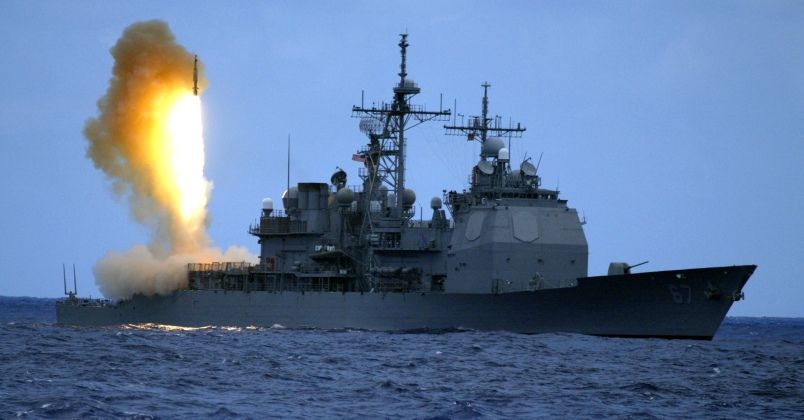
A significant factor in the Navy’s continued reliance on the ageing cruisers is that the development of the Ticonderoga class’ successor under the CG(X) program was canceled in 2010, following the termination of the preceding Cruiser Baseline and CG-21 concepts. This is particularly significant as China continues to build similarly large and heavily armed surface combat ships with much more advanced capabilities, and as North Korea moves ahead with plans to build its own very heavily armed destroyers near the end of the decade. With the U.S. shipbuilding industry having struggled profusely with clean sheet programs since the end of the Cold War, however, developing a new cruiser class is expected to be highly challenging, with the DDG(X) next generation destroyer program intended to build lighter ships already expected to suffer from significant delays and very high costs.
