
U.S. Navy Flight Testing Blackbeard Hypersonic Missile: Promises to Revolutionise Carrier Groups’ Firepower
Military Watch Magazine Editorial Staff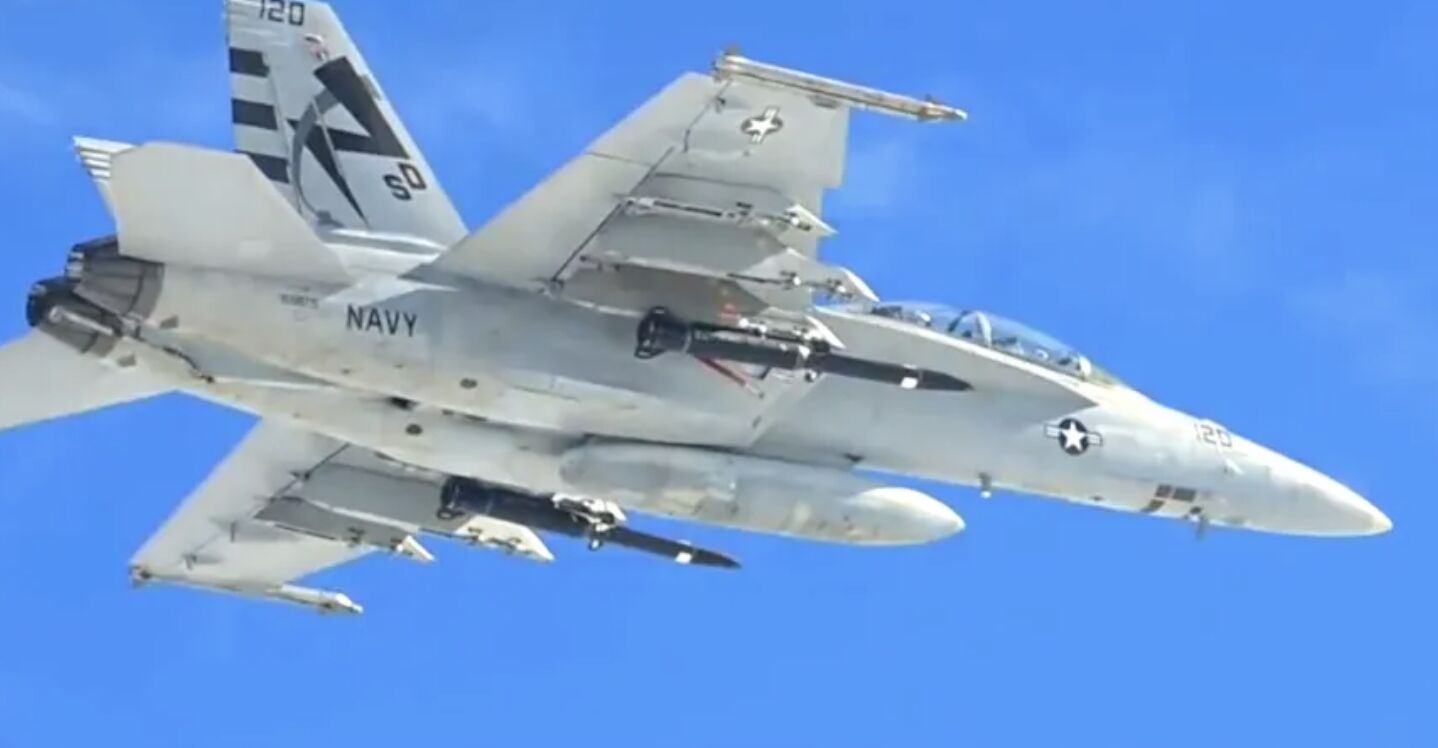
F-18E/F Fighter with Blackbeard Missiles
The U.S. Navy has released the first footage showing its Blackbeard hypersonic strike missile integrated onto a flying F-18E/F Super Hornet fighter, marking a significant step forward for a program intended to revolutionise the firepower of carrier air wings. The footage shows multiple Blackbeard test rounds carried beneath an F-18 during flight testing, at a time when the Navy is currently aiming to introduce the weapon into at least limited operational service by 2028. The Blackbeard was designed as a relatively inexpensive and rapidly producible long-range strike weapon.
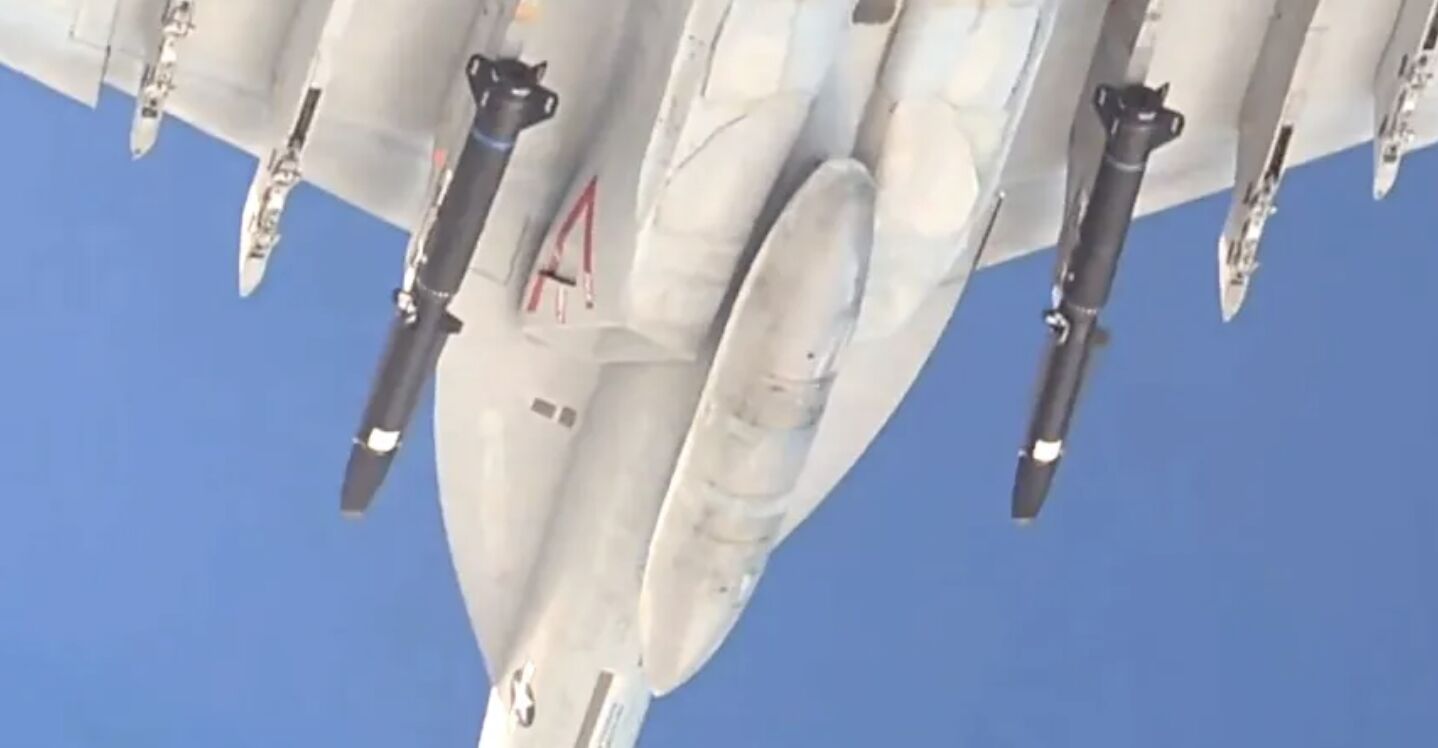
Developed by defence startup Castelion under the Navy’s Multi-mission Affordable Capacity Effector (MACE) programme, the missile program has prioritised avoiding the extremely high procurement costs and relatively limited production plans that have hindered other U.S. hypersonic missile programs. The missile has been designed from the outset around affordability and rapid manufacturing. The Navy describes it as an air-launched hypersonic strike weapon intended to provide carrier-based fighters with a responsive long-range capability against both maritime and land targets.
The Blackbeard’s service entry is expected to have a transformative impact on the F-18 fleet’s strike capabilities, as the questions have increasingly been raised regarding the fighter type obsolescence. The F-18 has been procured in far greater numbers by the Navy than any other fighter type has been procured by any other service in the world outside China since the end of the Cold War, with the aircraft set to form the backbone of the Navy’s combat fleet for decades. The Navy’s relatively limited orders for F-35C fifth generation carrier based fighters, and the defunding of its F/A-XX sixth generation fighter program, have made upgrades to the F-18 fleet appear increasingly essential.
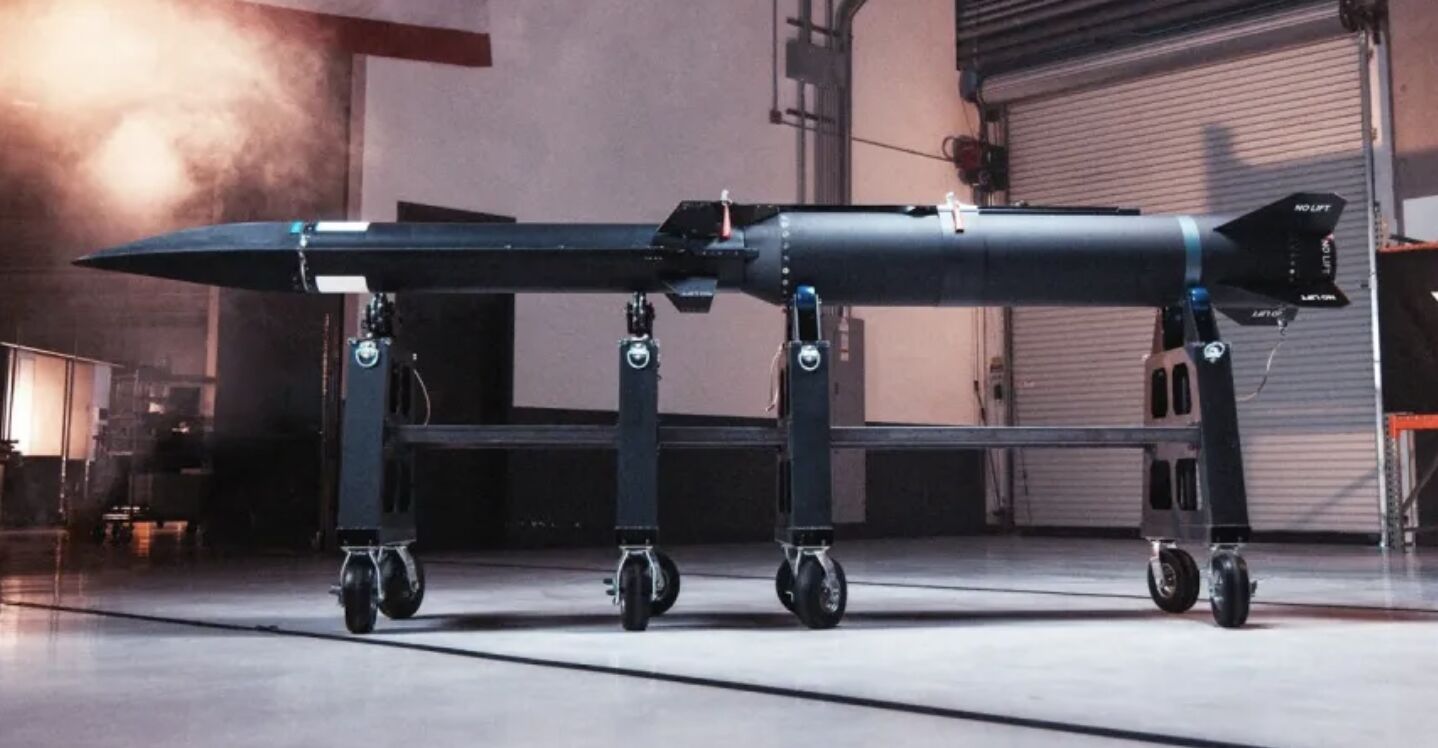
Very little about Blackbeard’s precise performance remains publicly disclosed. Earlier imagery of the weapon showed a two-stage configuration consisting of a missile-like booster beneath an upper vehicle that has been assessed as potentially being an unpowered hypersonic glide vehicle, although the second stage could also incorporate propulsion. Castelion has previously indicated that the weapon could have a range approaching approximately 800 kilometres, but this figure has not been officially confirmed by the Navy. The apparent configuration is particularly notable because it differs from air-breathing hypersonic cruise missiles such as the U.S. Air Force’s Hypersonic Attack Cruise Missile (HACM). Blackbeard appears to use a booster to accelerate its upper stage to very high speed and altitude before the latter proceeds toward its target.
