
U.S. Military Hiding Casualty Numbers from Iranian Strikes: Pentagon Has a Long History of Concealing Losses
Military Watch Magazine Editorial Staff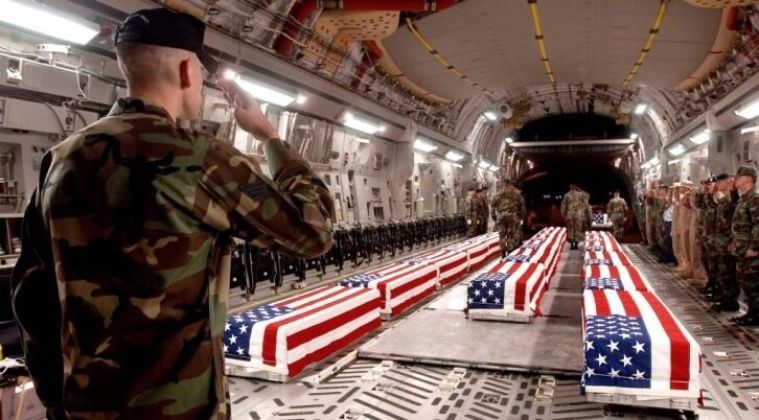
Serviceman Salutes U.S. Military Casualties
The U.S. Department of War has been accused of withholding information regarding the true scale of American casualties sustained during the ongoing war with Iran, following a report by The New York Times citing U.S. officials who stated that dozens of injuries suffered in recent Iranian attacks were not publicly disclosed. The report has renewed scrutiny over Pentagon casualty reporting practices as American forces continue to face sustained missile and drone attacks across the Middle East. This follows a long history of efforts to conceal casualty numbers, as polling continues to indicate that the war is highly unpopular with the American public.
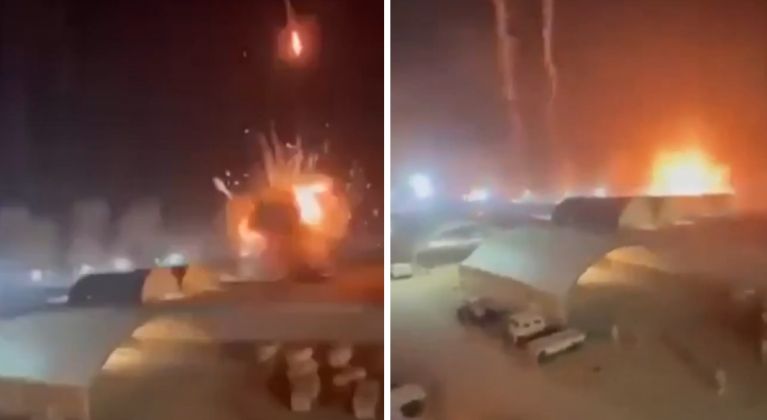
The report stated that official Pentagon figures indicate 427 U.S. service members have been injured during the war with Iran, significantly exceeding the numbers publicly disclosed following individual attacks. Many of the casualties have reportedly resulted from missile strikes on American bases, with blast injuries, shrapnel wounds, and traumatic brain injuries believed to account for a substantial proportion of those affected. Officials speaking to The New York Times acknowledged that three additional Iranian attacks against U.S. forces in Jordan over the past week have caused dozens more casualties than those acknowledged, and that several U.S. Army helicopters were also damaged.

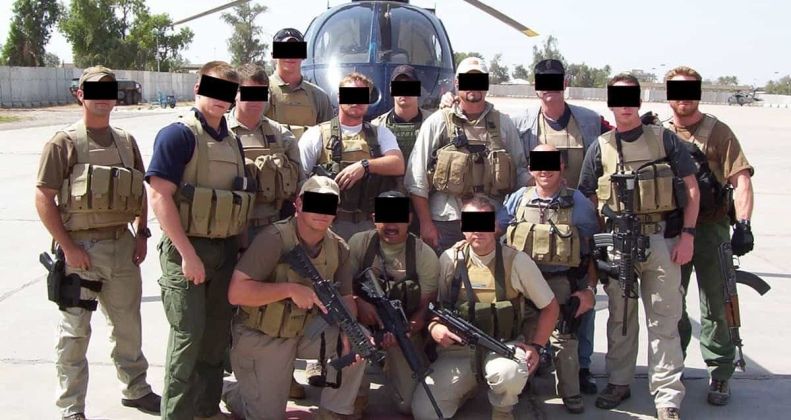
Casualty figures, even when accurate, have often been highly misleading in the post-Cold War era, as a significant proportion of personnel, and often the majority, at major facilities, have been contractor rather than active duty servicemembers, with losses among contractor units generally not being reported. Pentagon officials have defended the limited public disclosure of casualty figures among service members by citing operational security concerns. Pentagon spokesman Sean Parnell argued that releasing real-time information regarding casualties could provide valuable intelligence to Iran and its allies regarding the effectiveness of its attacks. “Providing real-time information on non-fatal casualties to the media is the same as providing that information directly to our adversaries,” he stated.
Pentagon officials have also pointed to the military’s reporting procedures to explain why casualty figures often emerge only after considerable delays. A U.S. official speaking to CNN noted that injuries frequently require medical evaluation and administrative verification before being entered into the Defense Casualty Analysis System (DCAS), the Pentagon’s official casualty database. Depending on the severity of injuries and the circumstances surrounding an attack, the process can reportedly take several days or even weeks before casualties are formally recorded.
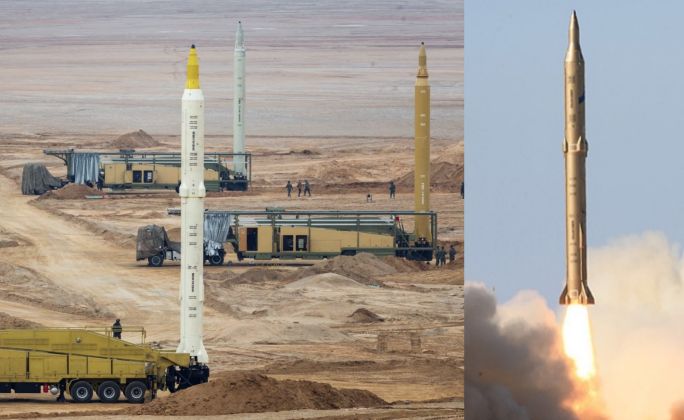
There are documented cases where the Pentagon has underreported, delayed reporting of, or inadequately tracked casualties, particularly injuries, especially traumatic brain injuries (TBIs). Following Iran’s missile strike on Ayn Al Asad Air Base on January 8, 2020, for example, President Donald Trump stated: “No Americans were harmed in last night’s attack by the Iranian regime.” The Pentagon also reported no casualties. Casualty figures subsequently steadily rose from 11 on January 17 to 110. Repeated instances of slow disclosure, underreporting, poor casualty tracking, and multiple upward revisions to casualty figures in the months following major incidents appear intended to limit the impact of losses on public opinion.
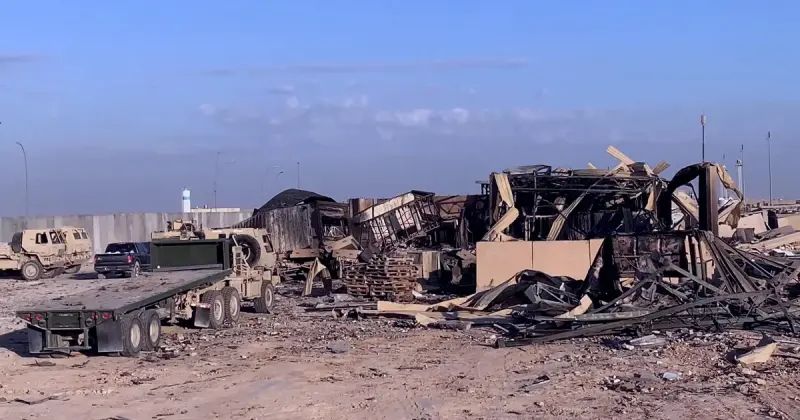
Providing an indicator of the extent of U.S. losses, including among contractors, in March the Landstuhl Regional Medical Centre next to the largest U.S. Air Force facility in Europe, Ramstein Air Base, paused its labor and delivery services to prioritise its "primary objective" of treating casualties from the conflict in the Middle East. This followed multiple reports indicating that the damage from Iranian and allied strikes had been severe. The medical centre has also reportedly made urgent calls for blood donations, providing a further indication of a large scale emergency. The hospital reallocated resources and space to handle an influx of wounded personnel, after a memorandum signed by hospital leadership stated that the decision was made at a "very high level" within the U.S. Department of War.
