
U.S. Marines Deploy F-35B Stealth ‘Jump Jets’ to China’s Doorstep
Military Watch Magazine Editorial Staff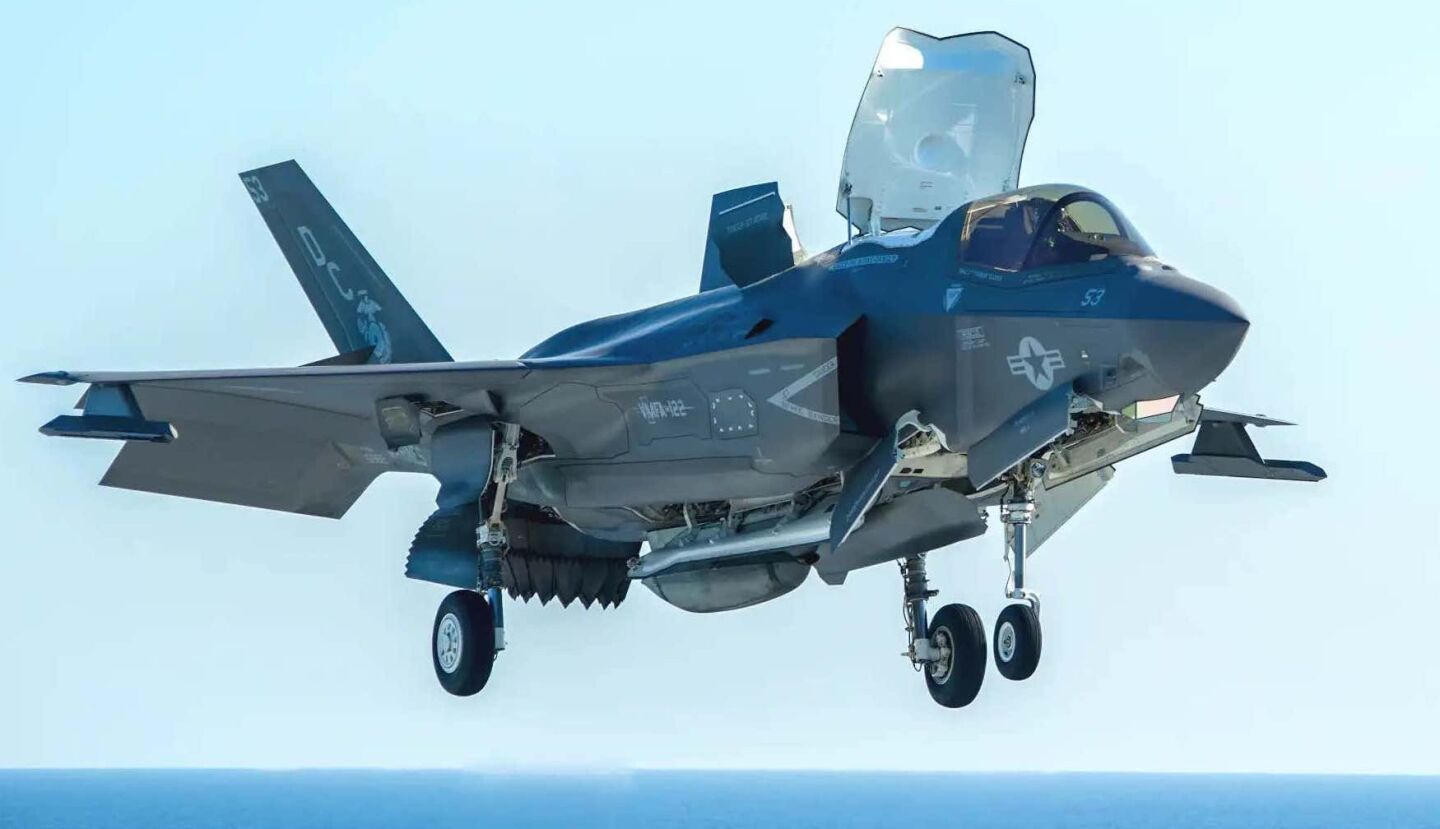
F-35B During Vertical Landing
The U.S. Marine Corps has deployed another squadron of F-35B fifth generation fighters to Japan, reinforcing one of the most strategically important U.S. airpower deployments in the Western Pacific. The South Carolina-based squadron has taken over rotational duties in Japan, replacing an ageing Marine F-18C/D Hornet squadron under the service’s programme for periodically rotating U.S.-based aviation units through the Pacific. The deployment reflects Washington’s growing reliance on the F-35B for operations around Japan and potentially against a technologically sophisticated adversary such as China.
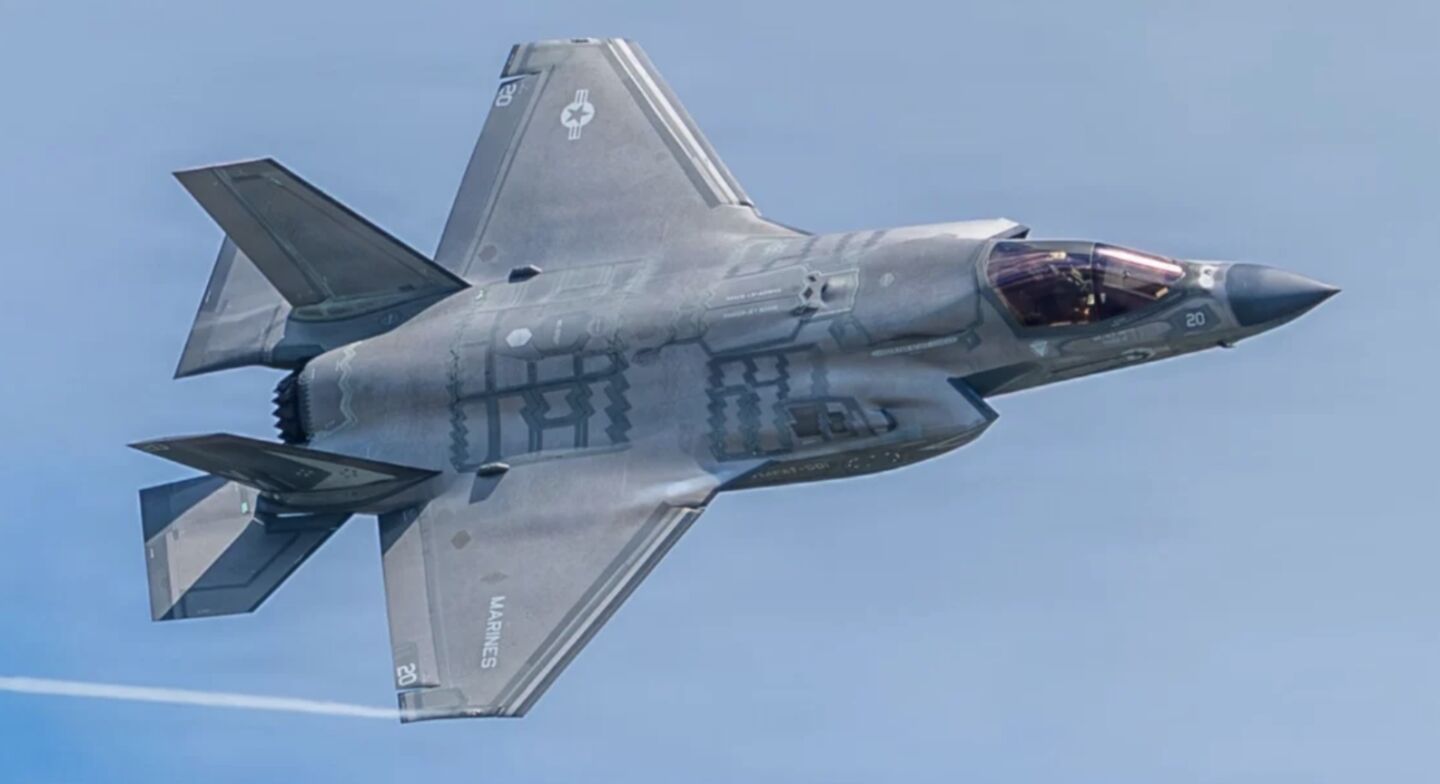
Marine Corps Air Station Iwakuni provides a major operating base for Marine F-35Bs, but a conflict with China would make fixed bases throughout the region vulnerable to long-range missile attacks. The Corps is thus expected to exploit the aircraft's short takeoff and vertical landing (STOVL) capability by dispersing them among smaller and less predictable operating locations. The concept is operationally attractive, but its effectiveness depends upon whether those locations can be supplied and maintained under conditions in which Chinese air and missile forces are actively attacking the regional logistics network. Following the retirement of the ageing Harrier II earlier in the year, the F-35B is the only STOVL fighter remaining in service.
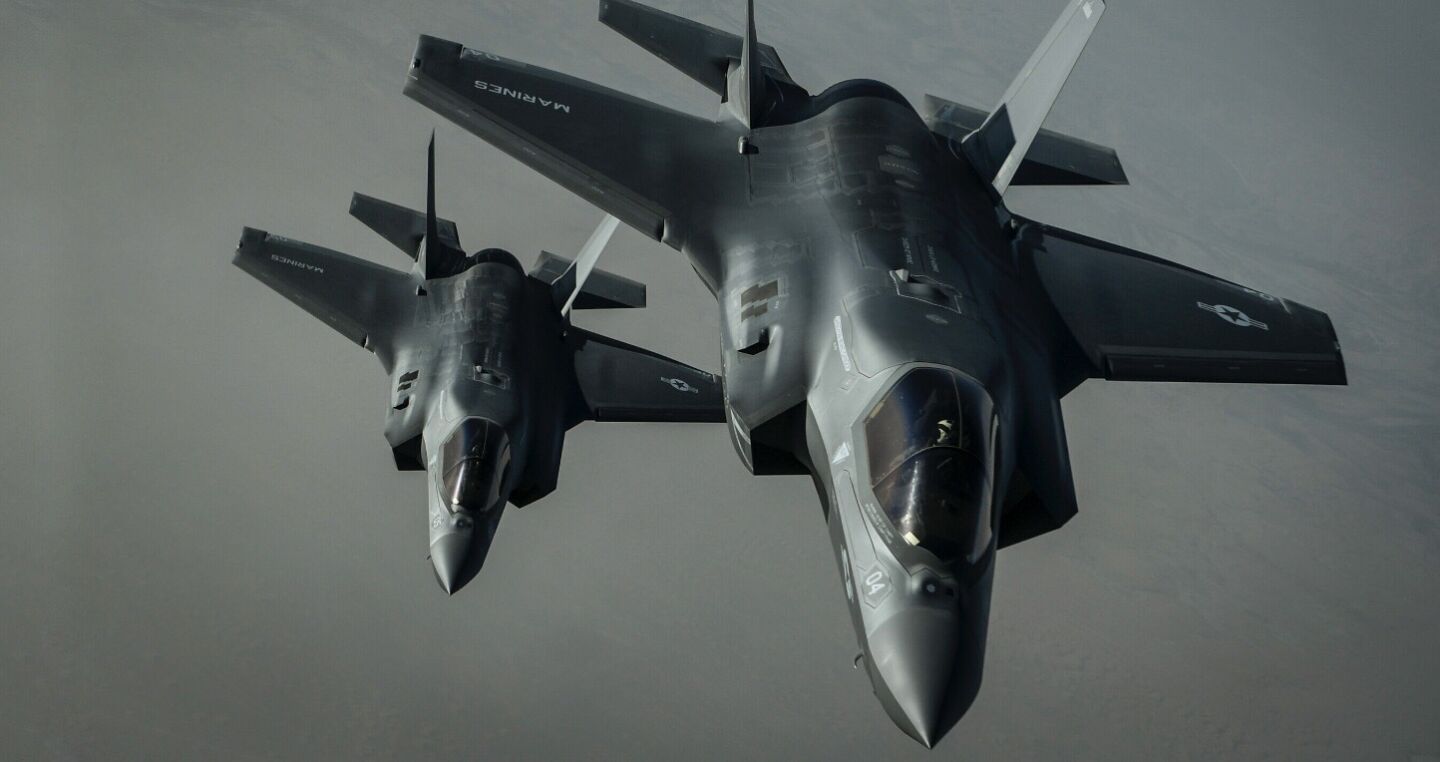
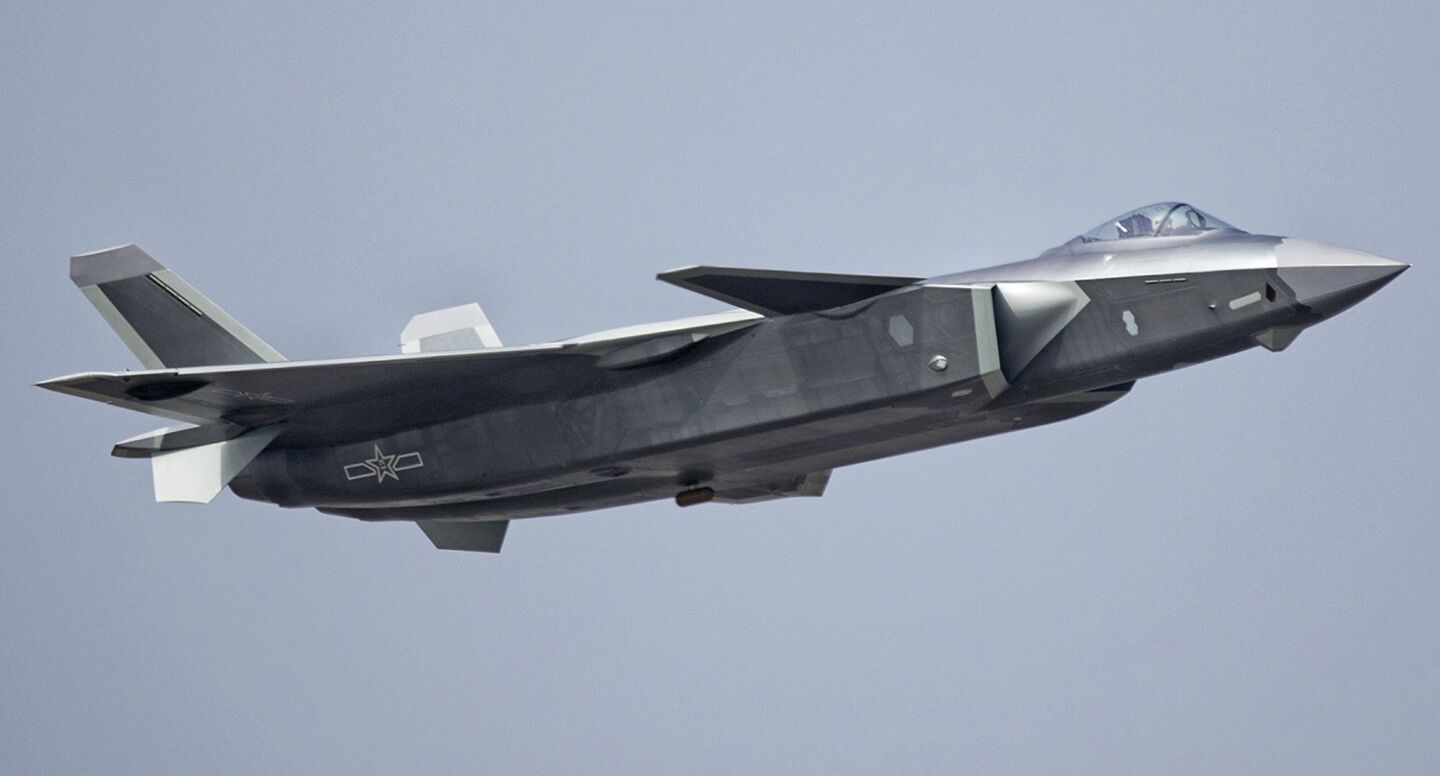
The F-35B's deployment illustrates the changing balance between survivability and conventional combat performance. The aircraft is exceptionally valuable as a sensor and stealth platform, with advanced radar, electronic warfare and data-fusion capabilities allowing it to contribute to operations beyond simply delivering weapons. Its approximately 700 kilometre combat radius, however, compares poorly with the roughly 1000 kilometres for the F-35A, and over 2000 kilometres for the Chinese J-20 fifth generation fighter, which is a major constraint over the vast distances of the Pacific. The F-35B also carries a smaller internal weapons load than the F-35A and F-35C, while its flight performance is by far the poorest of any 21st century fighter type.
The F-35B is by far the most costly fighter type in serial production worldwide, with a cost over 50 percent higher than the more widely used F-35A at close to $140 million per aircraft. The Marine Corps in February 2025 announced plans to reduce procurement of the F-35B by 21 percent, which was widely assessed as likely to have been a response to its limited suitability for Expeditionary Advanced Base Operations revealed during testing. Aside from its limited combat performance and range, the type is far more costly to operate than other F-35 variants, and requires significantly more maintenance, which is expected to make sustaining the fleet at forward positions highly challenging in wartime.
