
U.S. Forced to Rely on Outdated ATACMS Ballistic Missiles to Strike Iran as Modern PrSM Arsenal is Depleted
Military Watch Magazine Editorial Staff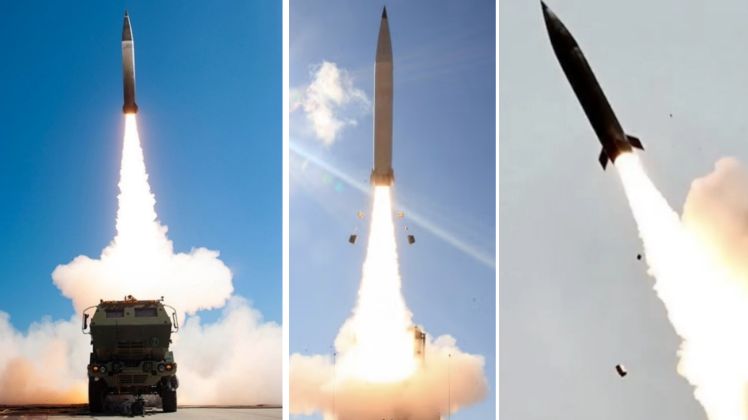
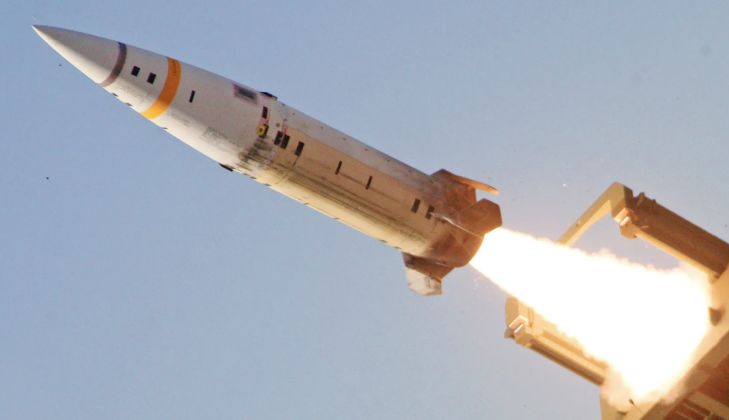
PrSM Ballistic Missile Launch
Footage and reports from the Gulf region have confirmed that the U.S. Army is relying heavily on ATACMS ballistic missiles to launch precision strikes against targets in Iran, with the older missiles being available in greater numbers and being relied on to compensate for the lack of modern Precision Strike Missile (PrSM). This follows confirmation in mid-April that the Army had exhausted its entire stockpile of PrSM ballistic missiles following the initiation of military operations against Iran on February 28. The assault on Iran represented the first ever combat use of the PrSM missile.
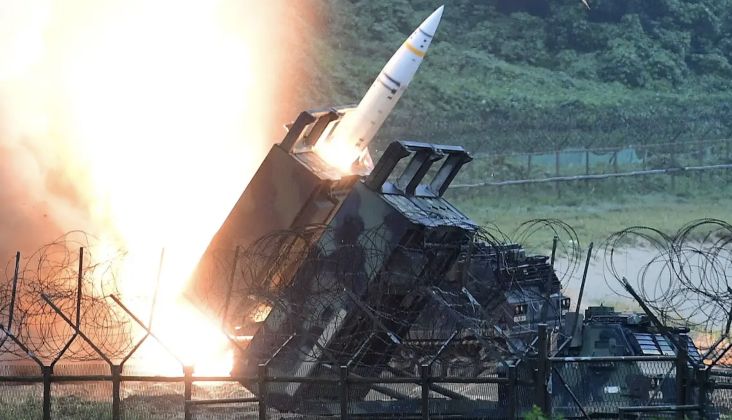
While the PrSM is a newer and more costly weapon that has been available in limited numbers, and first entered service only in 2024, the ATACMS has been in service since the late Cold War years, and has not only been stockpiled in much larger numbers, but has also been widely exported. Being forced to rely on ATACMS represents a significant disadvantage, with range being one of its most important limitations. The ATACMS has an operational range of approximately 300 kilometres, whereas the PrSM Increment 1 extends this to around 500 kilometres. This seriously limits which Iranian targets can be engaged.
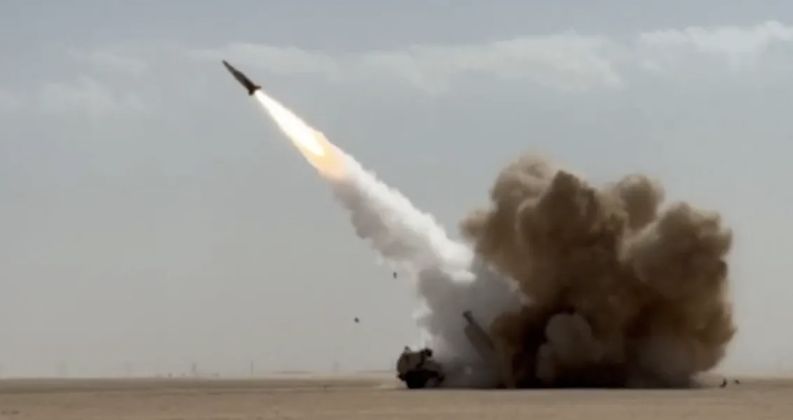
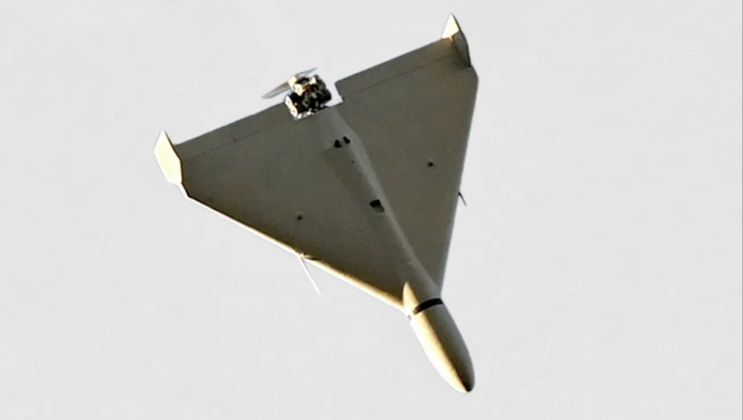
The shorter range of the ATACMS would force U.S. launchers to deploy considerably closer to the front line in order to engage many of the same targets. This would expose valuable HIMARS and M270 launchers to a much greater risk from Iranian reconnaissance drones, loitering munitions such as the Shahed series, cruise missiles, tactical ballistic missiles, and special forces reconnaissance teams. Reports indicate that Iran has already conducted successful strikes to destroy launchers in Kuwait, with the limited number of locations to which launchers can deploy to be able to strike Iranian targets making them easier to seek and destroy.
The PrSM also benefits from a far more modern design. Developed decades after the Cold War-era ATACMS, it incorporates updated guidance systems, more advanced navigation, improved resistance to electronic warfare, and significantly newer electronics. Although the ATACMS has demonstrated excellent accuracy in combat, its underlying design dates back to the 1980s, whereas the PrSM was specifically engineered to operate in modern high-intensity warfare against sophisticated integrated air defence systems. ATACMS has proven vulnerable to jamming in the Ukrainian theatre, compromising its precision targeting capabilities, although it remains uncertain whether Iran has comparable jamming capabilities to those employed by Russia.
The smaller dimensions of the PrSM provide important logistical advantages over the ATACMS, allowing two missiles to be carried in a launcher pod that currently accommodates only a single ATACMS, potentially doubling the ballistic missile load carried by each launcher before reloading becomes necessary. This can substantially increase the volume of fire available during sustained combat operations. Serious shortages of the PrSM arsenal represents part of a much broader trend towards an unprecedented depletion of key munitions stockpiles, ranging from penetrative bombs to cruise and anti-ballistic missiles, which is expected to increasingly undermine the combat capabilities of the U.S. Armed Forces should high intensity hostilities continue.
