
U.S. Breaks 60 Year Ban on Weaponising Space with Confirmed First Armed Satellite
Military Watch Magazine Editorial Staff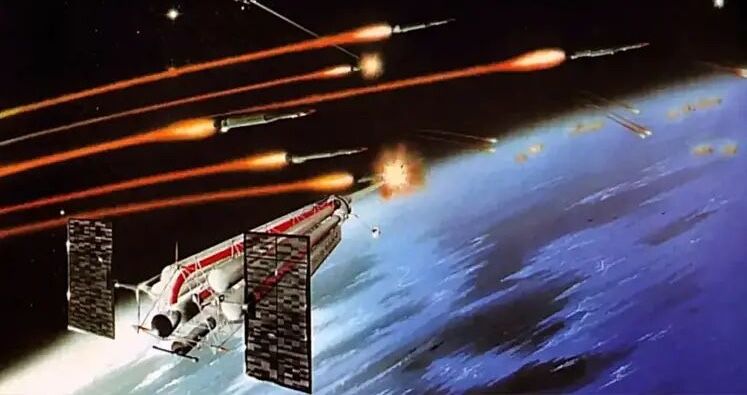
Space-Based Missile Launch - Artwork
The United States has publicly acknowledged for the first time that it has weapons already deployed in orbit, marking a major shift in Washington’s longstanding policy of maintaining deliberate ambiguity over the offensive capabilities of its military space architecture. Secretary of the Air Force Troy Meink made the disclosure on September 14, stating that the United States has on-orbit weapons supporting a mission to protect American interests in space. Meink indicated that the weapons are associated with the U.S. Space Force’s space-control mission, following acknowledgement by officials of extensive preparations for offensive space warfare.
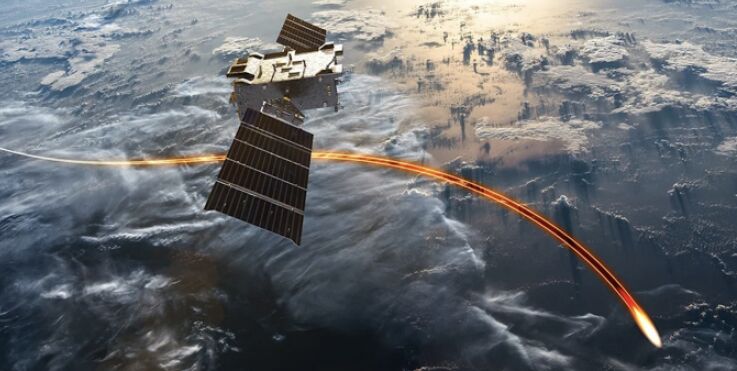
The United States’ admission represents a significant departure from the longstanding understanding surrounding the militarisation of space. While the world’s major powers have relied on satellites for reconnaissance, communications, navigation and missile warning, there has historically been a much stronger reluctance to permanently station dedicated offensive weapons in orbit. The 1967 Outer Space Treaty prohibits the placement of nuclear weapons and other weapons of mass destruction in orbit around Earth, as well as their stationing on celestial bodies. It does not, however, impose a comprehensive prohibition on conventional weapons in space.
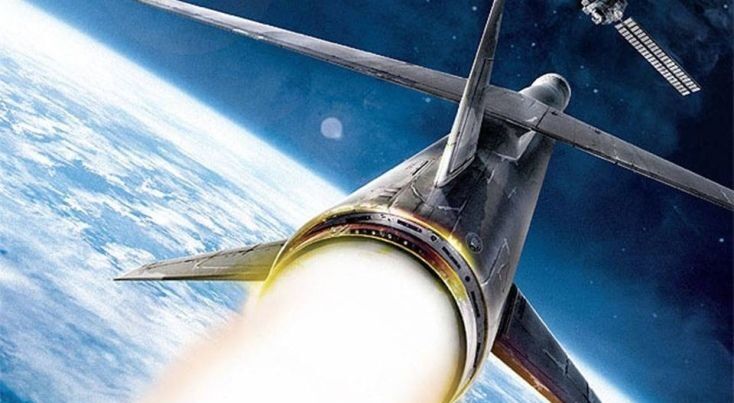
For decades, the dominant model was effectively that overtly destructive weapons would remain on Earth. Military satellites could support nuclear forces and conventional military operations, while anti-satellite missiles could be launched from aircraft, ships or ground installations when required. The physical presence of weapons in orbit was therefore treated as a major threshold which no country had previously crossed. The U.S. deployment of armed satellites has changed the strategic environment considerably, at a time when modern military forces have become extraordinarily dependent on satellites for precision navigation, secure communications, intelligence, surveillance and reconnaissance, missile warning and command and control.
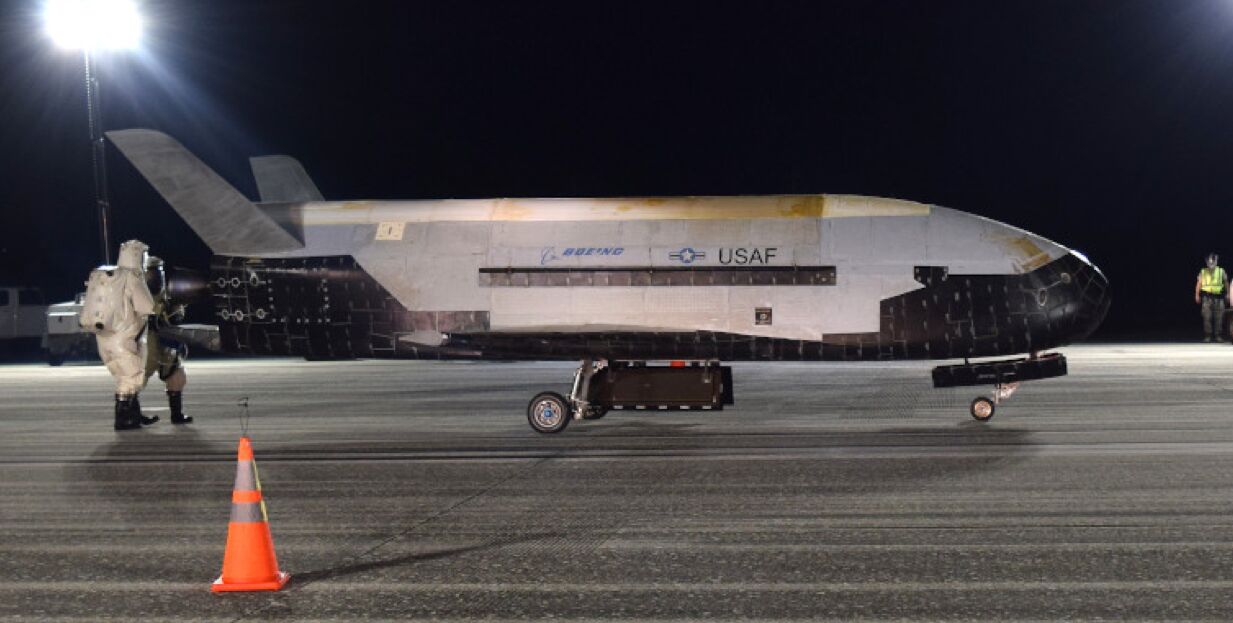
The latest escalation by the United States is occurring alongside rapid advances in China’s military space capabilities, and sets a precedent that is likely to lead China to deploy its own armed military satellites. The United States has recently conducted increasingly realistic exercises intended to prepare for combat in orbit. In September, U.S. Space Command conducted Apollo Maneuvers 2026, its first “live-fly” space warfare exercise, involving spacecraft manoeuvring in a simulated contested environment. The exercise was intended to develop tactics and procedures for operating spacecraft dynamically during a conflict rather than treating satellites as largely stationary assets.
