
U.S.-Australian Nuclear Submarine Program Poses New Threat to Indonesia
Military Watch Magazine Editorial Staff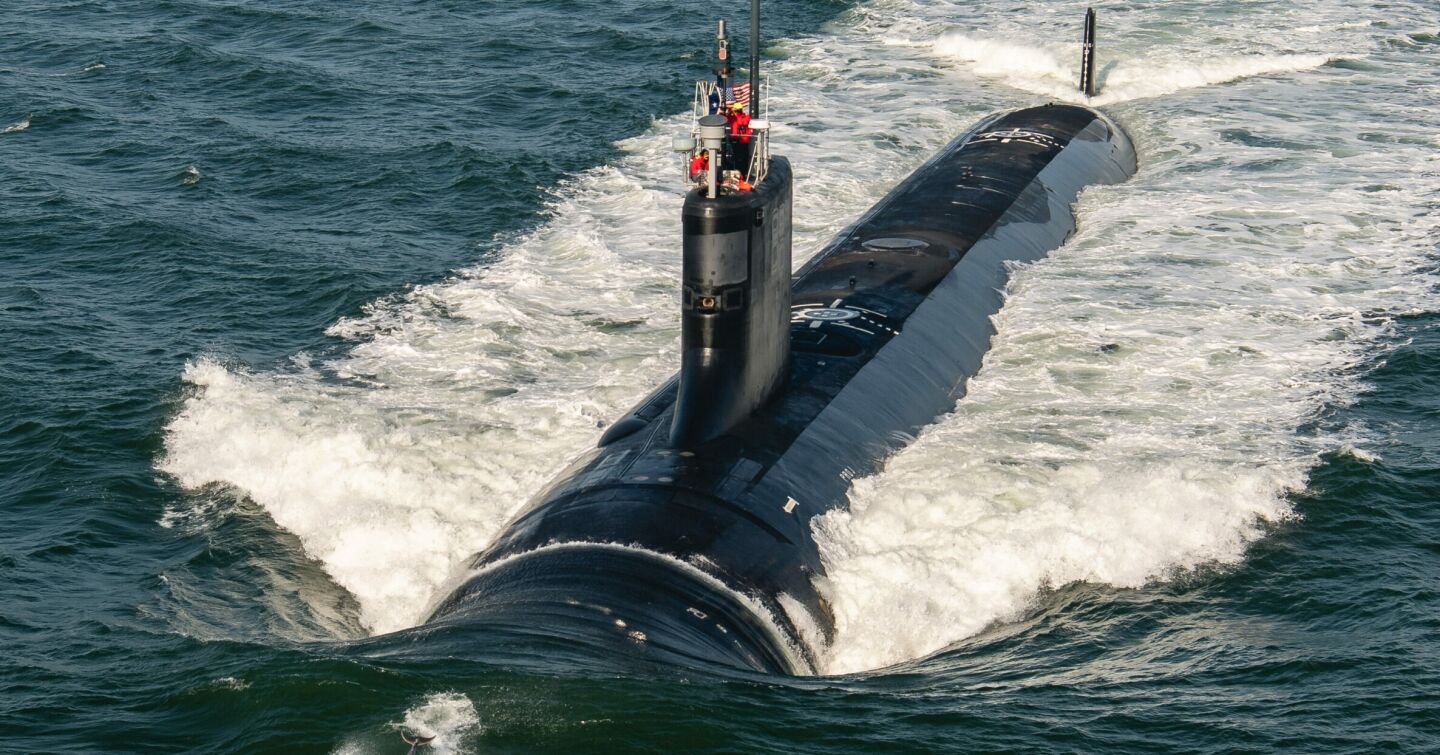
U.S. Navy Virginia Class Nuclear Powered Attack Submarine
Australia’s AUKUS nuclear-powered submarine program being pursued jointly with the United States and United Kingdom has generated renewed concern in Indonesia, after a former senior Australian defence official publicly invoked an “aggressive Indonesia” as a hypothetical adversary in making the case for the program’s strategic value. Michael Pezzullo, formerly deputy secretary for strategy in Australia’s Defence Department, made the remarks while giving evidence to the AUKUS Public Inquiry, arguing that nuclear-powered submarines would provide Australia with a significant advantage in undersea warfare and greater freedom to conduct operations without immediately requiring American or other allied support.
In describing a hypothetical conflict, he stated that Australian forces would seek to “rapidly destroy as much of the enemy’s fighting power as possible”. Indonesia was used as the illustrative potential adversary in the scenario. Australia and Indonesia have a history of conflict, including during the Indonesian confrontation with the formation of Malaysia between 1963 and 1965, with Australian intelligence having played important roles in engineering a coup in 1965 that ended the conflict and killed several million in Indonesia. Another major crisis followed in 1999 when Australia led an international peacekeeping force into East Timor to establish it as an independent state from Indonesia, which paved the way for the Australian government to lay claim to considerable fossil fuel deposits near the territory.
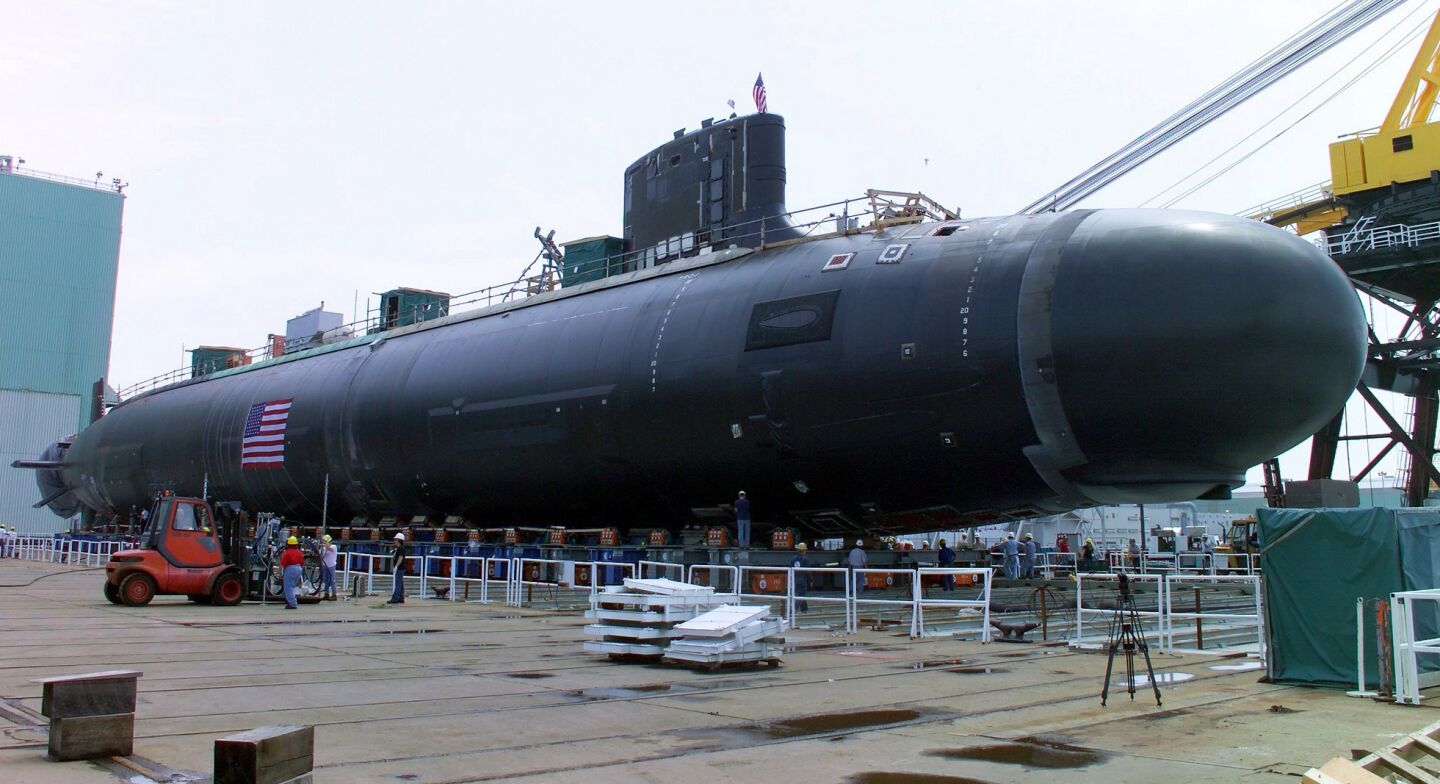
AUKUS nevertheless introduces new strategic complications. Announced in 2021, the pact is intended to provide Australia with conventionally armed nuclear-powered submarines, initially through the acquisition of U.S.-built Virginia-class vessels and eventually through the development of the SSN-AUKUS submarine by Australia and the United Kingdom. The vessels will give the Royal Australian Navy substantially greater submerged endurance and range than conventionally powered submarines, allowing them to operate over much larger areas of the Pacific. While primarily targeted at China, Indonesia’s unwillingness to support broader Western Bloc efforts against Beijing, and its insistence on neutrality, has been widely assessed to have made it a potential target.
