
U.S. Attacks on Chinese Infrastructure to Prevent AI Dominance Proposed by Leading Think Tank
Military Watch Magazine Editorial Staff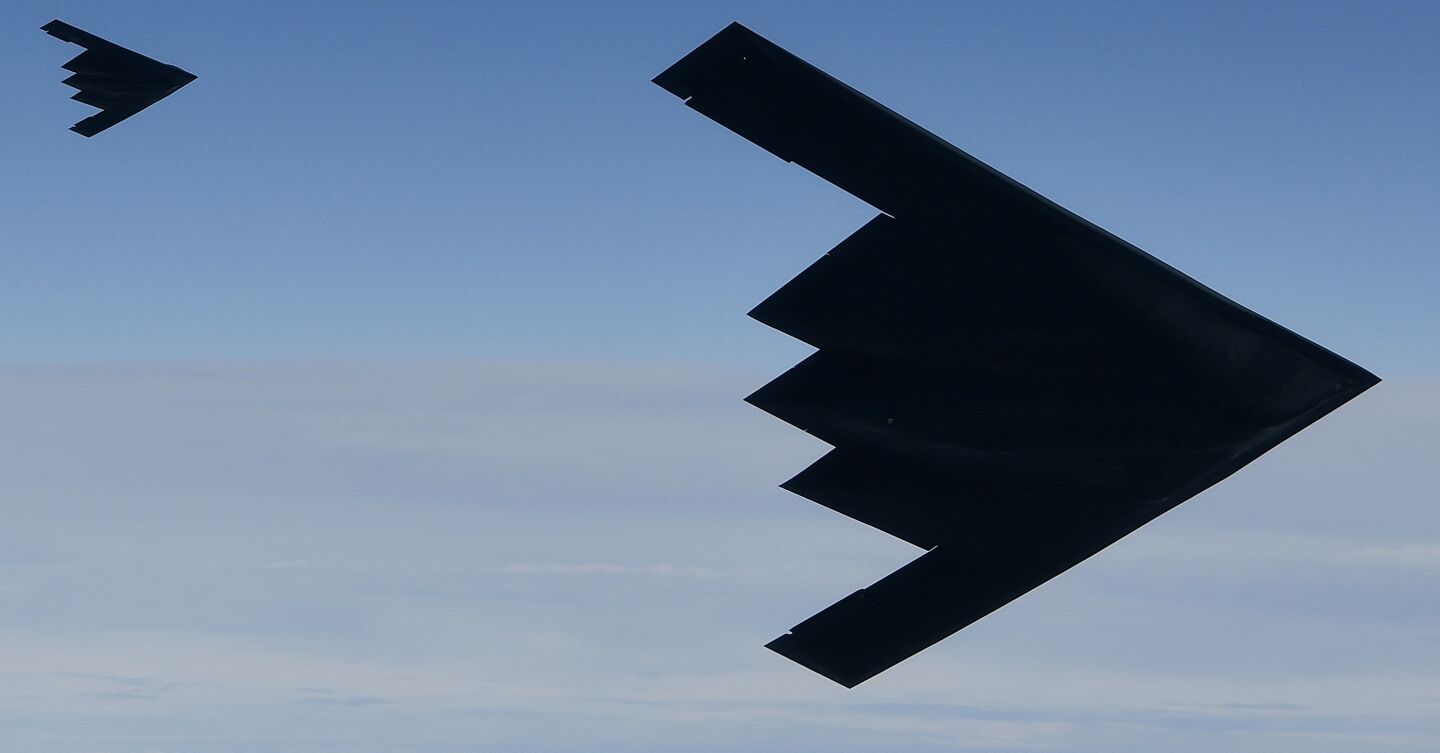
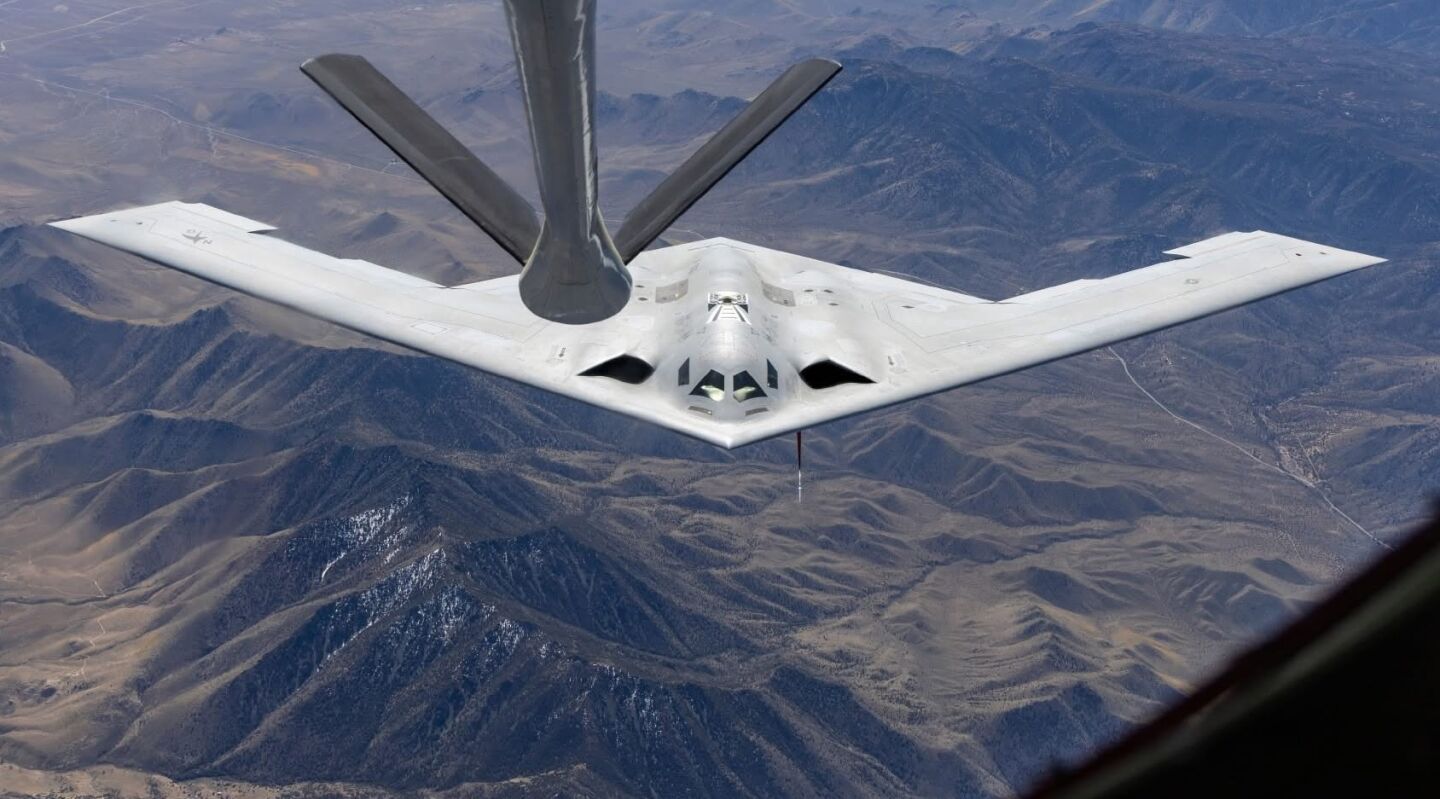
U.S. Air Force B-2 Spirit Intercontinental Range Strategic Bombers
A new analysis from the Center for a New American Security (CNAS) has concluded that the United States should consider options for military strikes against Chinese artificial intelligence infrastructure to prevent the East Asian country from achieving primacy in developing artificial general intelligence (AGI). Jacob Stokes, a former Obama administration national security staffer and senior fellow and deputy director of the CNAS Indo-Pacific Security Program, made the remarks on September 3. He argued that U.S. government agencies including the Department of Defense and National Security Agency should begin determining what intelligence would be required to establish whether China was approaching a decisive breakthrough in AGI and what options Washington might have to respond.
Stokes compared the task to the way policymakers during the nuclear age studied the technology itself in order to understand its strategic and policy consequences. His highlights how the competition between Washington and Beijing over advanced artificial intelligence is increasingly being viewed through the same national-security lens traditionally applied to nuclear weapons and other strategic technologies, and mirrors discourse in the 1940s, 1960s and 1990s regarding possible attacks on Soviet, Chinese and North Korean nuclear infrastructure to prevent them from developing strategic deterrents. The influential think tank’s assessment illustrates the increasingly severe scenarios being considered by American strategic analysts.
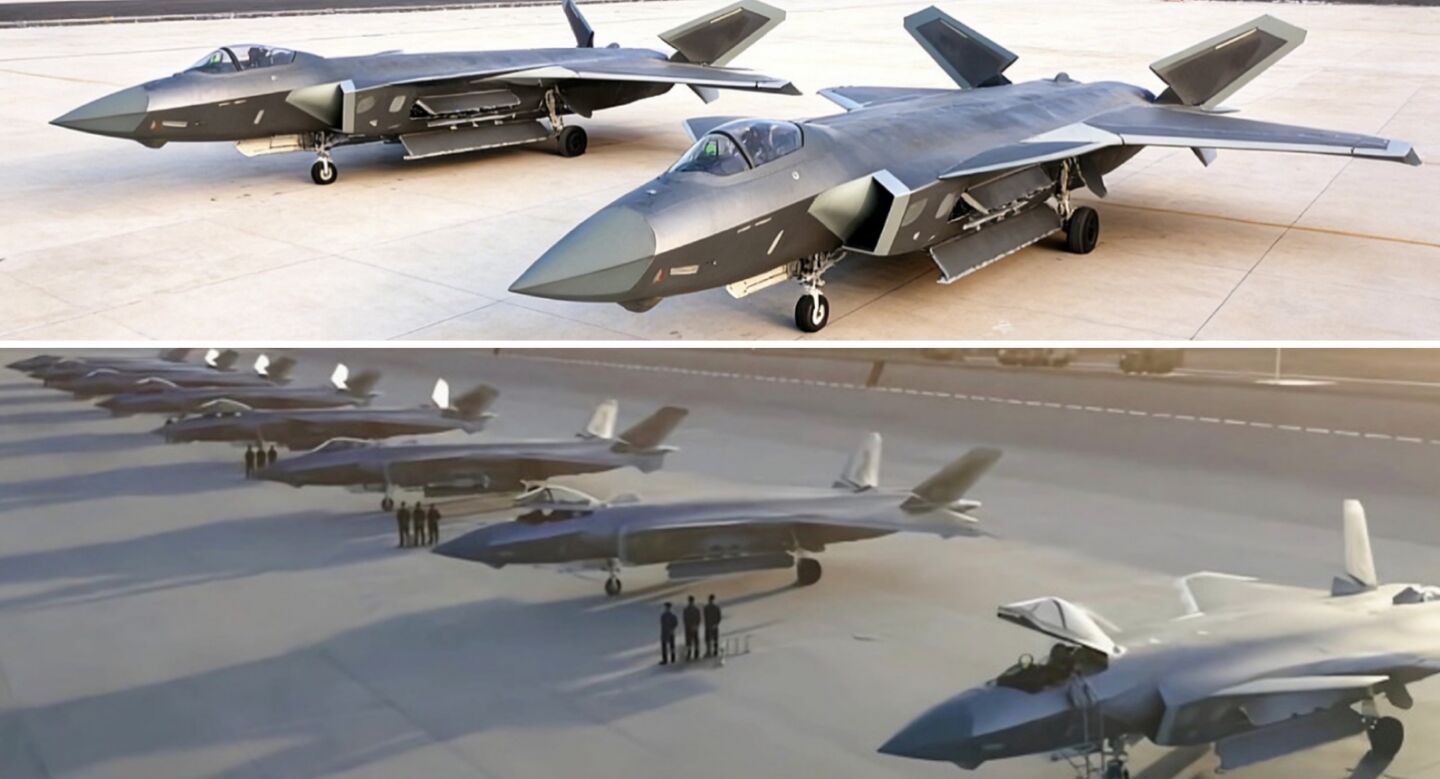
The recommendation that the United States should conduct scenario exercises examining when and how it might intervene to prevent China from developing AGI has raised serous questions regarding the ability of U.S. forces to strike Chinese targets, as China has achieved significant leads in areas such as fighter aviation. Diplomatic pressure, restrictions on access to advanced semiconductors and computing infrastructure, intelligence operations, cyber activities and efforts to prevent US technology from contributing to China’s AI development could all become components of a broader strategy.
Stokes’ comments followed publication of Stokes’ CNAS report, Superpowers and AGI: How U.S.-China Competition Could Be Shaped by the Emergence of Artificial General Intelligence, released on August 27. The report argues that the emergence of AGI could substantially alter the balance of power between the United States and China. AGI generally refers to an artificial intelligence system capable of achieving human-level performance across a wide range of tasks rather than being limited to a specific function. Such a system could potentially have implications extending far beyond existing generative AI, particularly if it could autonomously conduct research, accelerate scientific discovery, improve engineering processes or contribute to the development of military technologies.
CNAS identifies five broad mechanisms through which AGI could affect strategic competition: economic growth and productive capacity, control over information, new military capabilities, large-scale loss of control or misalignment, and downstream political effects. The economic implications could be particularly profound. An AGI system capable of substantially accelerating research and development could potentially improve everything from semiconductor design and energy systems to pharmaceuticals, robotics and aerospace engineering. A country able to translate such capabilities into industrial production could therefore gain advantages extending across the civilian and military sectors, although CNAS cautions that converting technological superiority into actual geopolitical power would depend on the ability to deploy AGI at scale and in cost-effective ways.
