
U.S. Army Outlines Plans for Intense War with China in First Island Chain
Military Watch Magazine Editorial Staff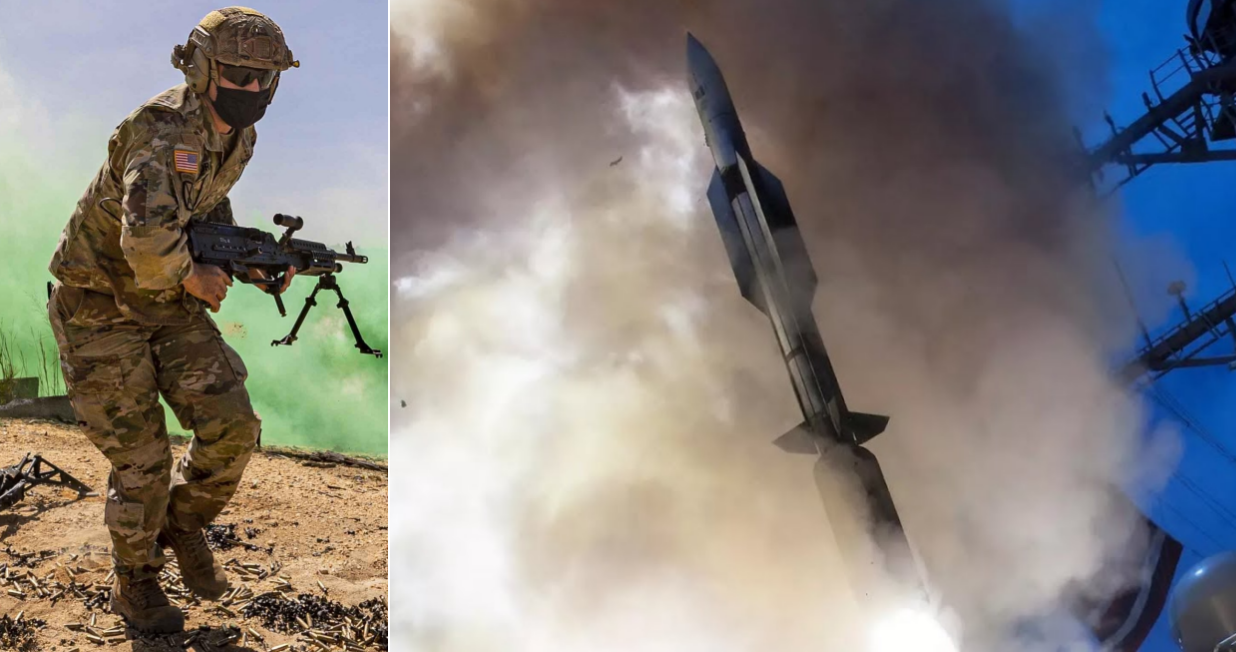
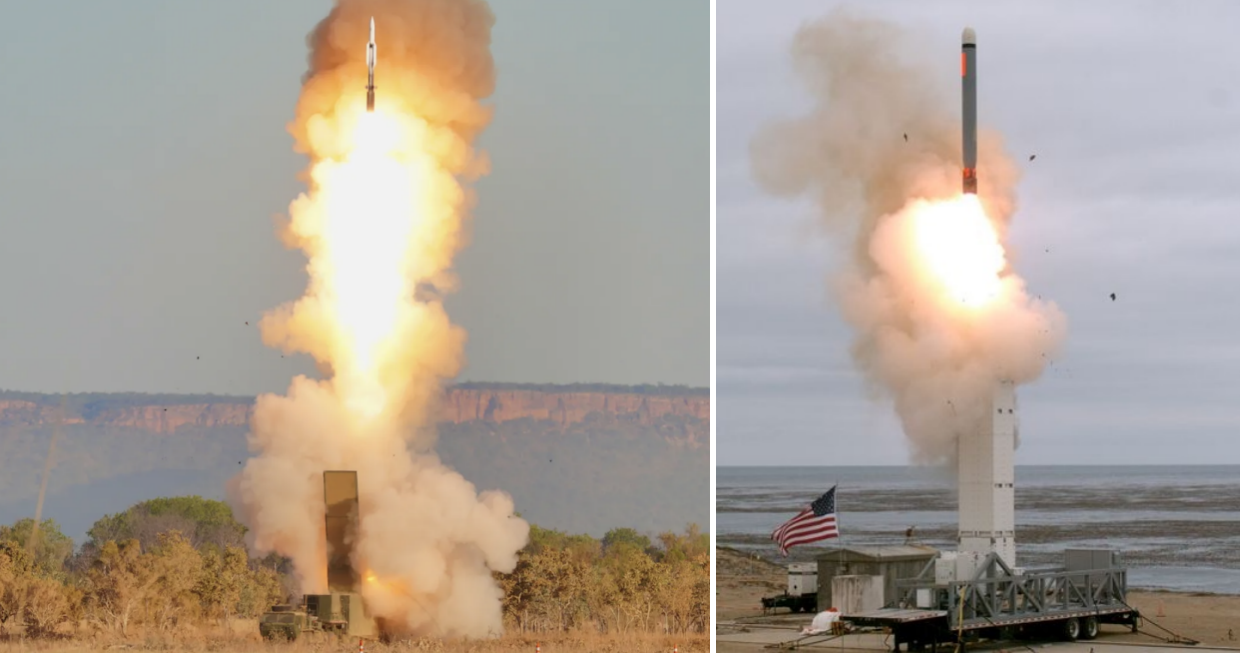
U.S. Army Personnel and SM-6 Launch
The U.S. Army has outlined plans to sustain a prolonged high-intensity conflict in the Western Pacific, with a new warfighting guidance document emphasising forward-deployed forces, hardened infrastructure, pre-positioned weapons stockpiles and long-range missile deployments along the First Island Chain. The How the Army Fights document acknowledges the ability of China’s People’s Liberation Army to employ anti-access/area-denial capabilities to disrupt American forces attempting to reach the Western Pacific from the continental United States. The guidance reflects a shift towards preparing for sustained combat across an extensive maritime region, where American forces would face challenges in transporting reinforcements, protecting bases and maintaining ammunition supplies under attack.
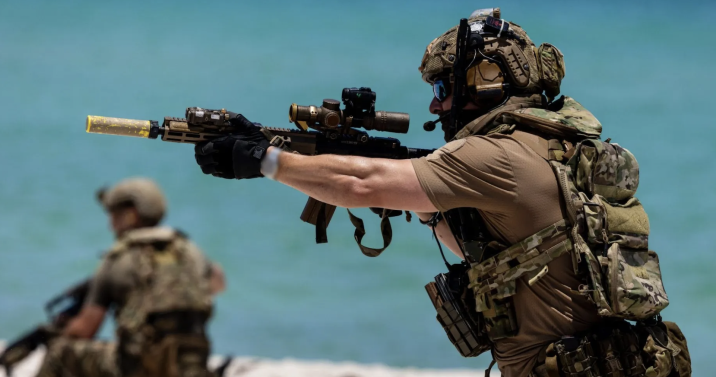
A central element of the plan is the development of infrastructure capable of allowing American forces to operate from the opening stages of a conflict without waiting for lengthy deployments from the United States. The Army intends to expand hardened command-and-control facilities, regional logistics networks and ammunition reserves, positioning forces to be “postured to act immediately on day one of a conflict” in the Western Pacific. The initiative includes the Total Army Power Projection Equipment concept, which replaces the previous Army Prepositioned Stock designation and is intended to ensure that forward-deployed and rotational units have access to equipment and supplies from the outset of hostilities.
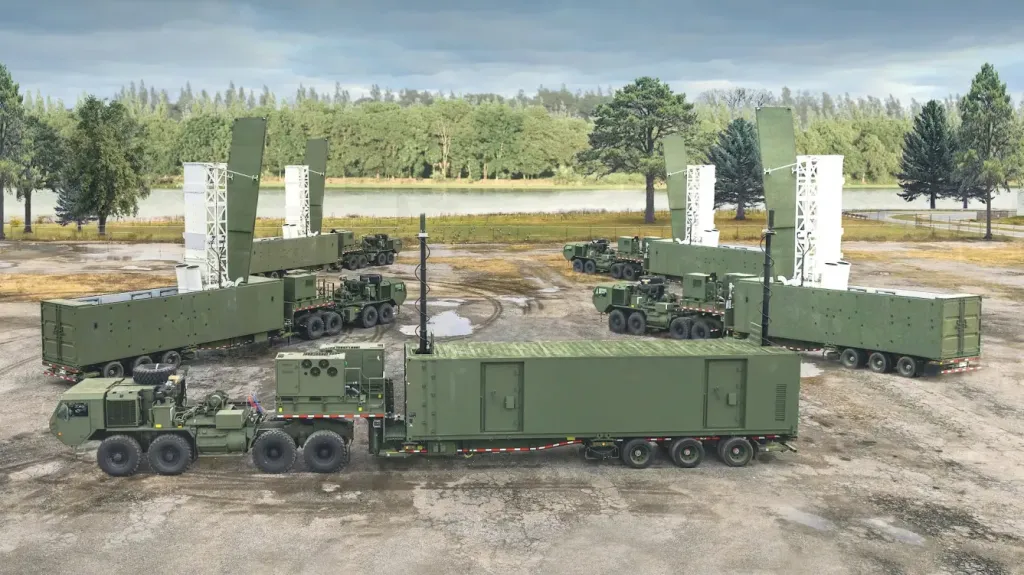
The guidance states that China’s rapid force-deployment capabilities require the United States to develop land-based options that do not depend on traditional reinforcement timelines. “In the Pacific, the Army will counterbalance the pacing threat by improving its warfighting infrastructure across the region. The pacing threat’s rapid deployment capabilities require land power options that do not rely on traditional, lengthy deployment timelines,” the document states. Establishing forces and supplies across the region before a conflict begins would reduce the need to move all required equipment across the Pacific after hostilities have already commenced, although maintaining those forward positions would itself present substantial logistical and defensive challenges. The Army also plans to expand the role of its multi-domain task forces, which combine long-range fires with air defence, cyber warfare and electronic warfare capabilities, allowing its forces to disrupt the PLA’s A2/AD networks, which are designed to complicate the movement and operations of opposing forces through the use of long-range missiles, surveillance systems and other capabilities.
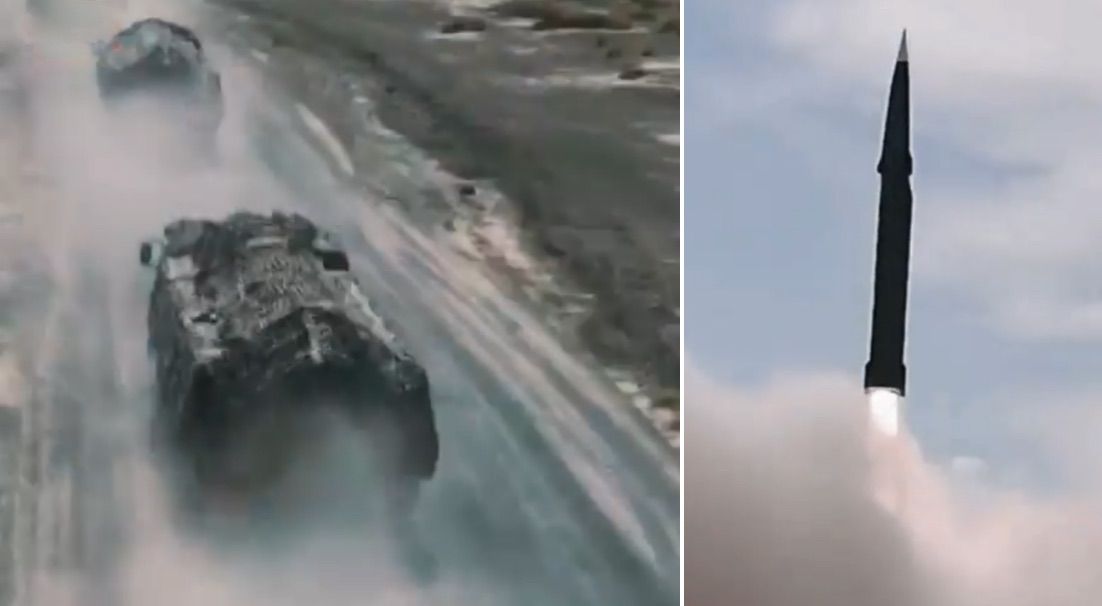
Among the systems highlighted are the Army’s Mid-Range Capability, which employs the SM-6 missile and Tomahawk land-attack cruise missile from ground-based launchers. These systems give the Army options for engaging targets at ranges beyond those typically associated with conventional ground forces, including maritime targets relevant to operations across the Western Pacific. The Army’s newest long-range cruise and hypersonic weapons have been assigned to U.S. Indo-Pacific Command, reflecting the growing importance of land-based precision strike capabilities in the region. Their effectiveness in a prolonged conflict would depend not only on their range and performance, but also on the availability of sufficient missiles, suitable targeting information and launch positions that can survive opposing attacks.
The Second Island Chain, which extends farther into the Pacific than the First Island Chain, would therefore serve as an important logistical depth for American operations. The Army intends to establish hardened fuel and ammunition nodes there to support formations deployed closer to China, while forward-positioned engineering and medical units would help sustain combat operations over an extended period. U.S. Army Pacific has already developed logistics and warehousing infrastructure in locations including Japan, Australia, the Philippines, Singapore and Guam, according to a presentation at the 2026 Association of the United States Army annual meeting. These facilities form part of a broader effort to distribute supplies and reduce the vulnerability associated with relying on a limited number of major bases.
