
U.S. Air Force Undecided on New F-16 Procurements as F-35 Continues to Fall Short
Military Watch Magazine Editorial Staff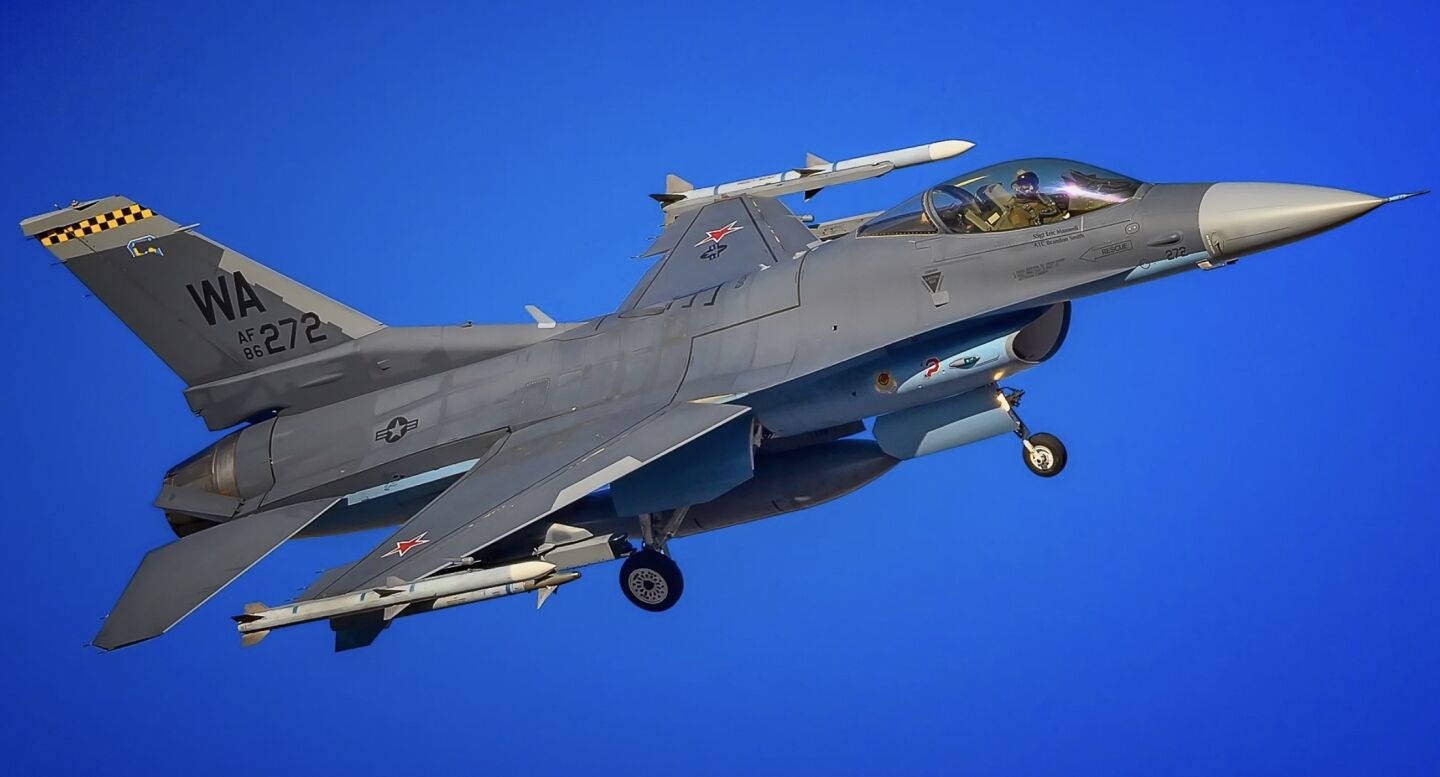
F-16 Fighter
The U.S. Air Force does not expect to decide whether to purchase newly built F-16 fighters for at least another year, despite concerns over an ageing fleet and the need to expand its combat aircraft inventory. Lieutenant General David Tabor, the service’s deputy chief of staff for plans and programs, said on October 20 that acquiring new F-16s was not an urgent priority, although the service recognised the need to prepare for the retirement of older aircraft during the 2030s. The deliberations come as the Air Force seeks to increase its combat-coded fighter inventory to 1,509 aircraft by 2035, up from 1,168 at the beginning of fiscal year 2026. The F-16 is by far the lightest and least costly fighter type in production in the United States, and is currently being built exclusively for export.
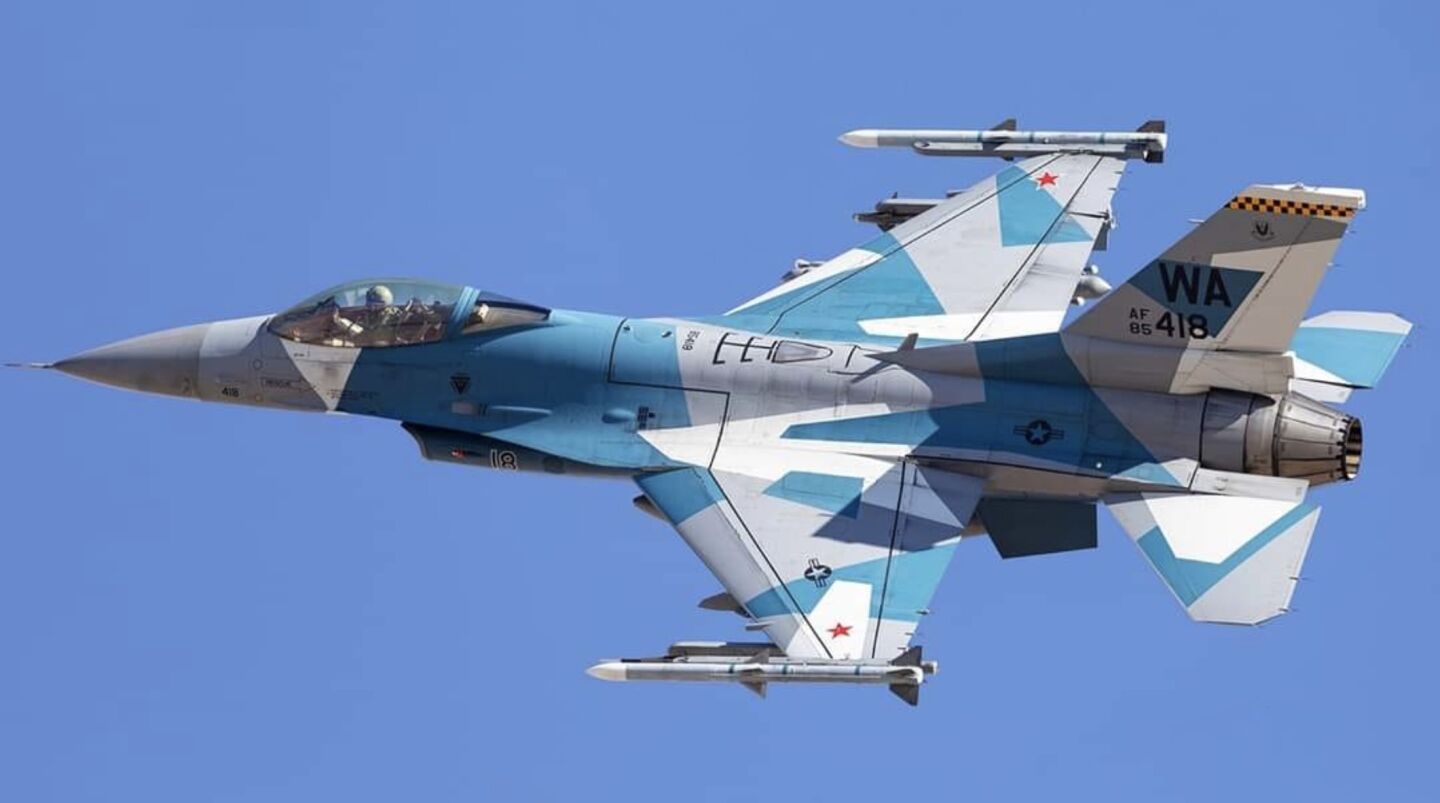
Tabor said the service was examining a range of options for replacing older F-16s, rather than committing to a single aircraft or procurement strategy. He described the purchase of new-build F-16s as potentially the easier option, but stressed that the service had time to evaluate alternatives. He warned that although the decision did not need to be made immediately, the Air Force wanted to avoid reaching a point at which replacement became urgent before a suitable solution had been selected. The proposal has gained attention following reports that Lockheed Martin had offered the Air Force an enhanced version of its latest F-16 Block 70, provisionally designated the F-16G. The proposed aircraft could incorporate conformal fuel tanks, additional external fuel capacity, an infrared search-and-track system, advanced targeting equipment and other improvements intended to extend its operational relevance.
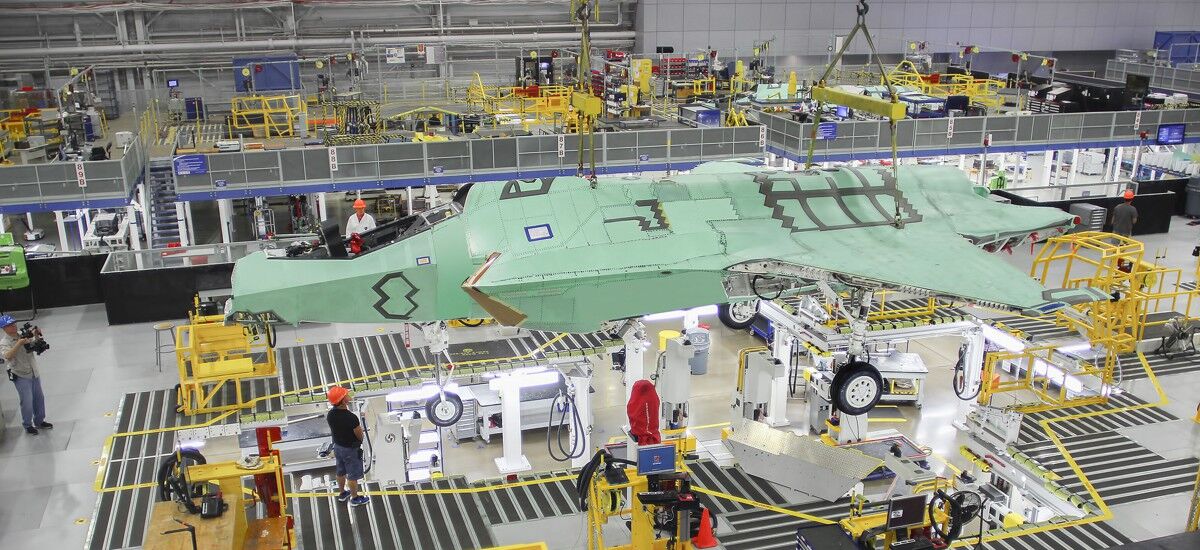
The primary factor leading the Air Force to consider resuming procurements of F-16s is that the F-35A fifth generation fighter failed to provide a direct replacement. Despite the aircraft being decades newer, their availably rates remain tens of percentage points lower, while operational costs and maintenance needs are considered excessively high. This has prevented the aircraft from serving as a one-for-one replacement for the F-16 as it was intended to, and resulted in serious cuts to pilot training levels. Despite close to 500 F-35s being in service in the Air Force, the F-16 has been relied on much more heavily for combat operations against Iran, as the newer fighters have suffered continued delays to planned updates, including lacking any air-to-ground missile capabilities which limits their viability for critical air defence suppression operations.
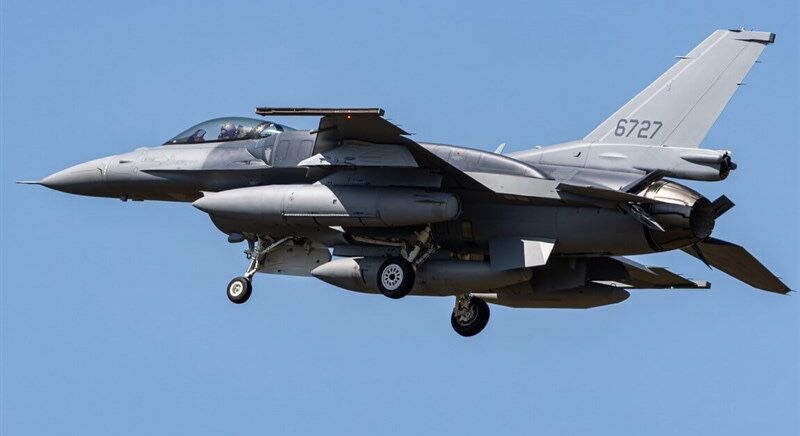
A newly manufactured F-16 would offer a substantially longer remaining structural life than many aircraft currently in U.S. service. The F-16 Block 70/72 production standard is designed around an airframe service life of up to 12,000 flight hours, potentially allowing new aircraft to remain in service for decades without the extensive structural work required by older fighters. Purchasing additional F-16s could therefore provide a way to sustain fighter numbers. Collaborative Combat Aircraft (CCA) could also influence the eventual decision, as the Air Force aims to acquire at least 500 such uncrewed aircraft by 2032, including the General Atomics YFQ-42A and Anduril YFQ-44A, which are intended to operate alongside crewed fighters. General Tabor stated future CCA developments could reduce the number of crewed fighters required, although the current generation has not yet changed the assumptions underpinning the service’s fighter force structure calculations.
