U.S. Air Force General Calls for F-15 Air Superiority Fighter Donations to Ukraine: Can Eagles Turn the Tide?
Military Watch Magazine Editorial Staff
U.S. Air Force F-15C/D Fighters
Retired U.S. Air Force Lieutenant General David Deptula has urged Washington to assess whether 50 to 60 stored F-15C/D Eagle long range air superiority fighters could be refurbished and transferred to equip the Ukrainian Air Force. Deptula stated that he recently returned from working with Ukrainian Air Force leaders on air operations in the country, and described one pilot who “had just flown five missions in 12 hours destroying 10 Russian cruise missiles.” “That pace illustrates why Ukraine needs both more fighters and the maintenance capacity to keep them flying,” he wrote. The F-15 has a significantly longer range, higher weapons carrying capacity, and integrates a much larger radar than the F-16s and Mirage 2000s that have already been donated by NATO members.
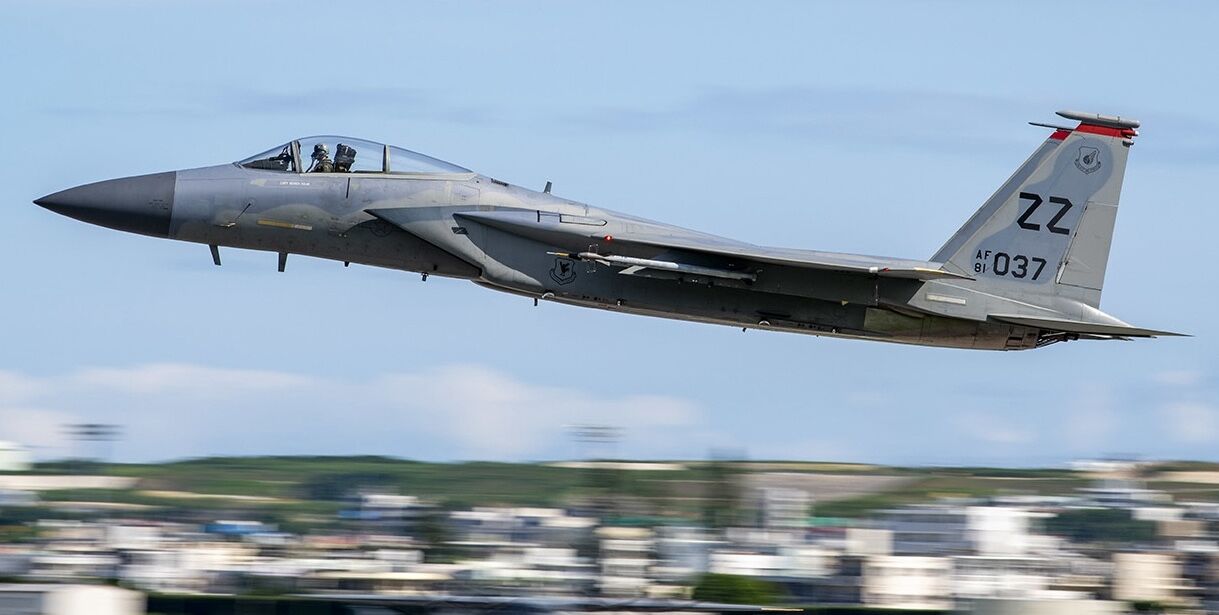
More than 240 retired F-15C/Ds are reportedly held at the Aerospace Maintenance and Regeneration Group facility at Davis-Monthan Air Force Base in Arizona. These aircraft were designed primarily for air-to-air combat. As the Air National Guard replaces older Eagles with newer aircraft, Deptula argues that some of the retired jets might offer Ukraine a faster way to expand its fighter force than waiting for new production aircraft. He argues that F-15s could take on a larger share of Ukraine’s defensive counter-air missions, including intercepting suitable aerial targets, while allowing the country’s F-16s to focus on other tasks. He also points to the potential use of the F-15’s gun against appropriate targets, which could help conserve more expensive air-to-air missiles.
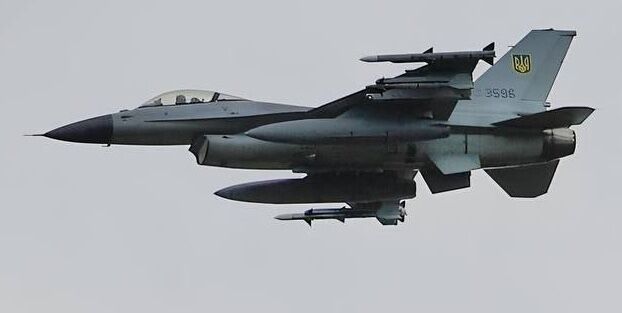
The F-15C/D’s suitability for transfer to Ukraine remains in serious question. The aircraft were forced to operate for decades longer than intended due to shortcomings with the F-22 fight generation air superiority fighter program, and by the time they were retired had the lowest availability rates in the U.S. Air Force. Ukraine’s ability to maintain the aircraft is thus highly questionable, with even the much simpler, lighter and less worn out F-16 having proven highly challenging to sustain. The F-15 is not operated by any NATO members other than the United States, largely due to its high operational costs, which will limit the availability of spare parts, training and suitable contractors for support compared to the much more widely used F-16.
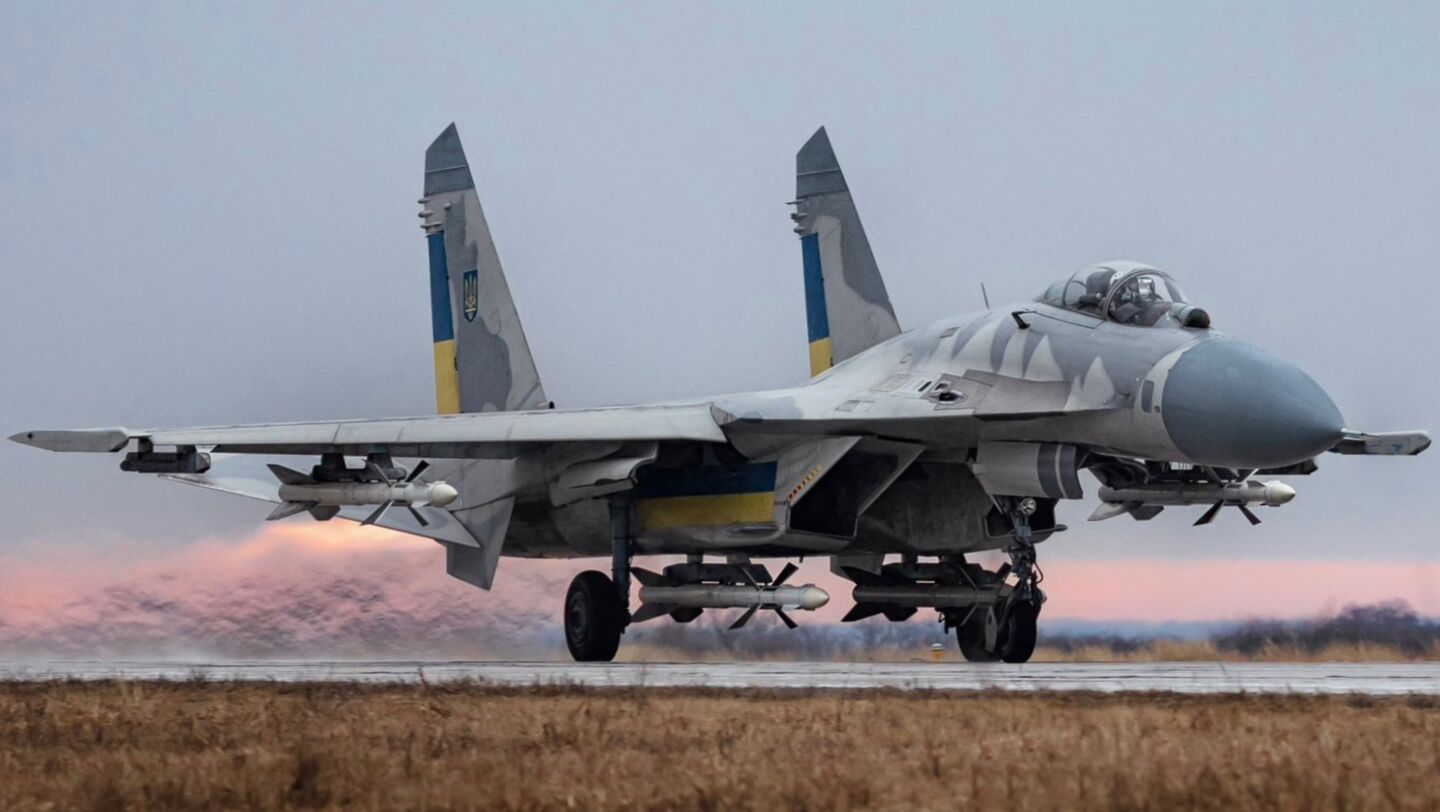
The U.S. Air Force has modernised a portion of its F-15 fleet to integrate AN/APG-63(V) active electronically scanned array (AESA) radars, with alongside other avionics upgrades transformed their combat potentials. Thus while the baseline F-15C/D was considerably less capable than the Su-27 air superiority fighters that Ukraine inherited from the Soviet Union, those that benefitted from modernisation from the 2000s to the mid-2010s are considerably more capable. These modernised F-15C/Ds would have a greater air-to-air combat potential than other fighter types in Ukrainain service, including its yet to be delivered Rafale and Gripen E/F fighters, potentially allowing Ukraine to challenge advanced Russian fighters such as the Su-30SM and Su-35 in air-to-air engagements for the first time. The F-15’s extremely high maintenance needs, however, are expected to prevent a transfer from being viable.