
UK Joints Allies Criticising Iran’s Satellite and Missile Programs - Western Push for Tehran's Unilateral Disarmament Continues
Military Watch Magazine Editorial Staff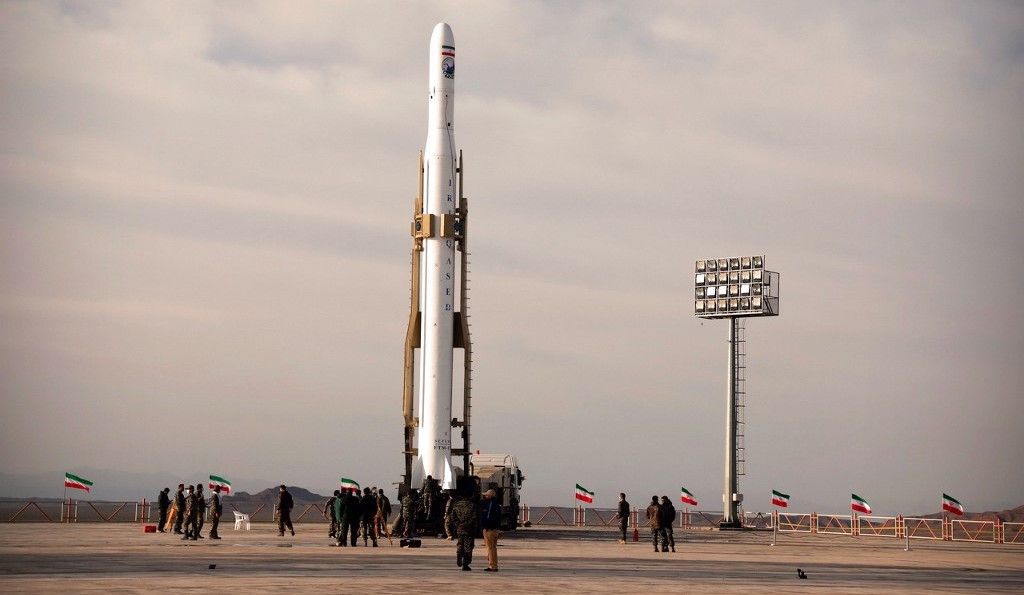
Qassed Rocket with Iranian Satellite
The United Kingdom has emerged as the latest critic of Iran’s ballistic missile program, slamming Tehran for launching a military satellite on April 22nd which London claimed tested technologies also applicable to ballistic missiles. Iran retains the right to launch satellites as a signatory of the outer space treaty, however, and the launch placed a satellite 425 kilometres above the Earth’s surface using the Qassed (Envoy) carrier rocket. A British Foreign Office spokesman stated regarding the launch: "Reports that Iran has carried out a satellite launch – using ballistic missile technology – are of significant concern and inconsistent with UN Security Council Resolution 2231… The UN has called upon Iran not to undertake any activity related to ballistic missiles designed to be capable of delivering nuclear weapons. Iran must abide by this." He added: "We have significant and longstanding concerns, alongside our international partners, over Iran’s ballistic missile programme, which is destabilising for the region and poses a threat to regional security.”
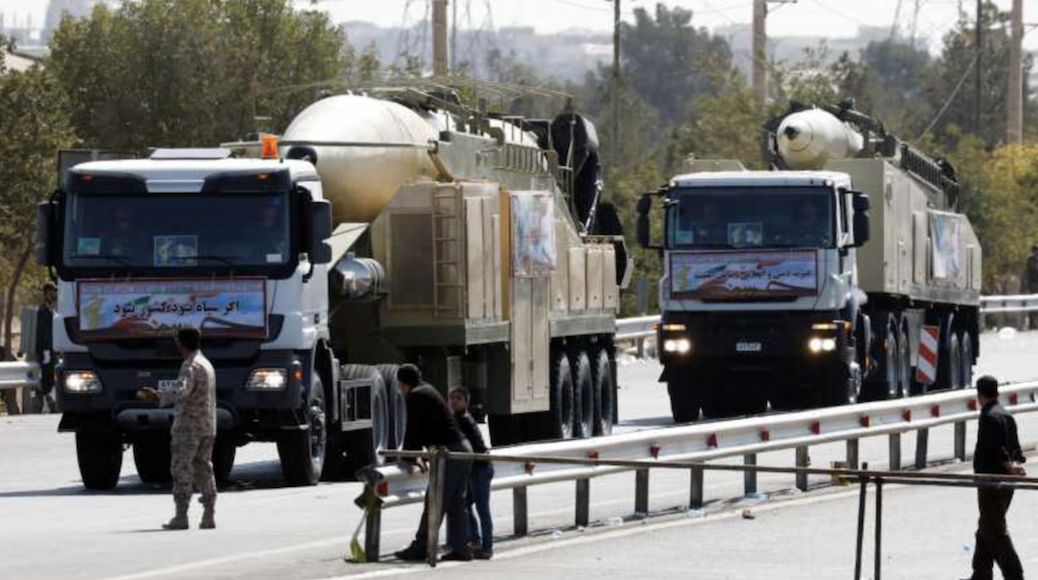
The statement follows a similar claim by U.S. State Secretary Mike Pompeo that the Iran’s satellite and missile programs are in violation of UN resolutions - although these resolutions to not restrict Iran’s right to develop ballistic missiles making this an entirely new interpretation. While the U.S., UK and France have harshly criticised Iranian development of ballistic missiles they have not previously raised the possibility that they could violate UN resolutions. These claims have not been supported by non-western member UN member states, with Russia interceding that Iran retains the right to test missiles which is not in violation of International obligations under either customary or treaty law.
Claims regarding Iranian violations come amid growing efforts by the United States and its Western partners to apply pressure on other UN member states to extend the arms embargo on the sale of offensive weapons to Iran - which is due to expire in October 2020. The embargo has prevented Iran from modernising vital parts of its conventional forces - its Air Force in particular - and its termination is expected to be followed by major contracts to acquire Chinese and Russian weapons systems. Iran’s defence budget is a small fraction of that of Western aligned Middle Eastern states, meaning the conventional balance of power in the region is expected to continue to favour Tehran’s potential adversaries. Development of ballistic missiles has a provided a low cost asymmetric asset to counter the superior conventional force of the U.S. and its allies and provide a form of deterrence against the Western superpower.
