
U.S. Plans to Deploy New Early Warning Radars in Japan to Track Chinese, Korean and Russian Missiles
Military Watch Magazine Editorial Staff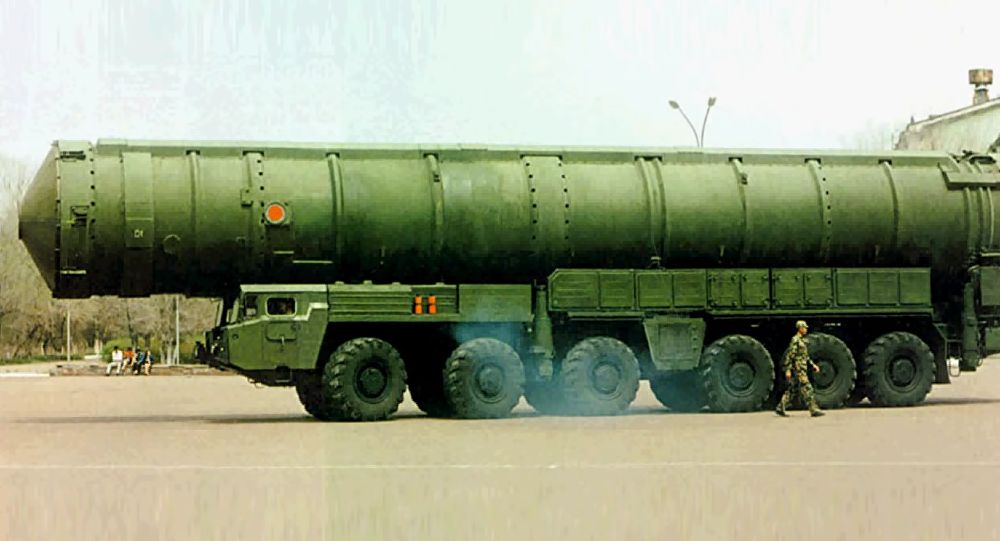
Chinese DF-41 Intercontinental Range Ballistic Missile
Amid recent moves by China, North Korea and Russia to deploy a number of new ballistic missile platforms for both tactical and strategic purposes, the United States has reportedly sought Japan’s permission to deploy a state of the art new radar system with the purpose of tracking missile launches and thus improving the security of the American mainland and its military assets in the Pacific. The radar system set to be deployed is the Homeland Defence Radar, which was designed to provide the U.S. mainland with an early warning against Soviet intercontinental range ballistic missile (ICBM) launches. Lockheed Martin was reportedly contracted by the Pentagon in 2018 to deploy a similar system to Hawaii costing $585 million, amid a growing perceived threat from the missile capabilities of the country’s three major ‘Great Power Adversaries.’
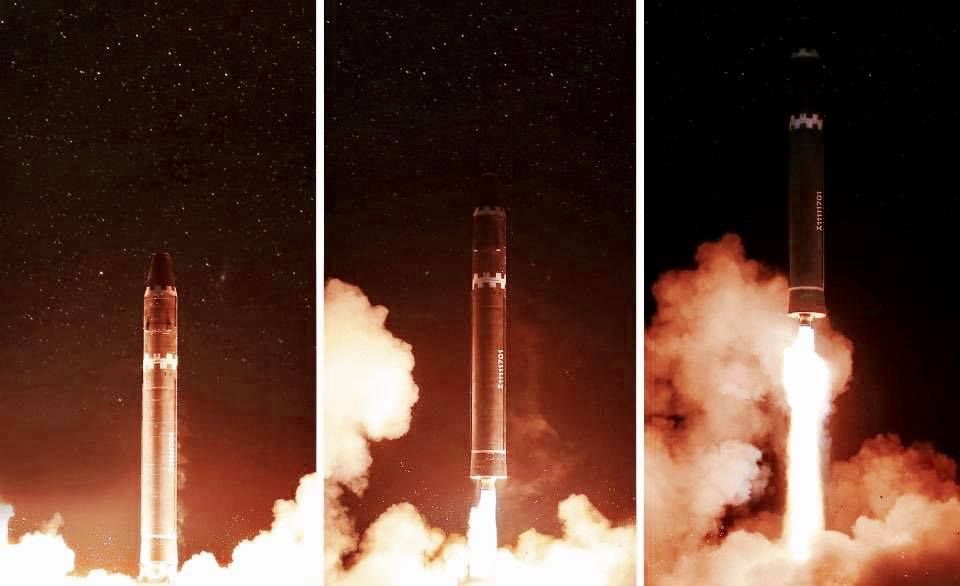
Test Launch of North Korean Hwasong-15 ICBM
With North Korea’s successful testing of the Hwasong-14 ICBM on June 4th 2017, and a test of the heavier and longer ranged Hwasong-15 a few months afterwards, the country joined China and Russia as a of the country’s potential adversaries capable of placing the United States mainland in the firing line with a nuclear strike. China’s induction fo the DF-41 hypersonic ICBM that same year, and Russia’s induction of its first hypersonic ICBMs the following year - both intercontinental range platforms such as the Sarmat and Avangard and tactical platforms such as the Kh-47M2 Kinzhal, further exacerbated the United States’ perception of vulnerability.
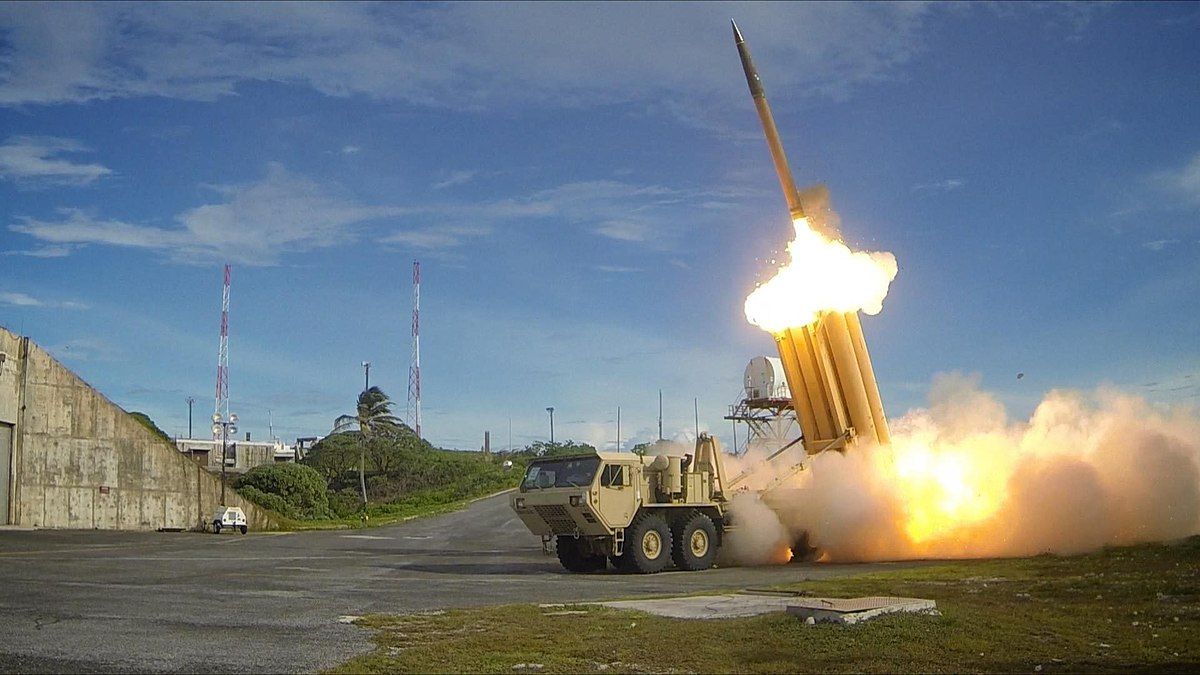
American THAAD Surface to Air Missile System
The presence of the Homeland Defence Radar in Japan would provide considerably superior early warning capabilities than those radar systems stationed on the U.S. mainland given their proximity to the launch sites in East Asia - either from Chinese or Korean territory or from Russia’s Far East. The presence of this warning system will likely provide a valuable complement to the military’s Terminal High Altitude Air Defence system (THAAD) which is capable of detecting missile launches across North Korea as well as much of Chinese and Russian territory. The range of radar systems installed on the U.S. mainland is limited by the curvature of the Earth - as even from Alaska or Hawaii the U.S. military will be unable to detect rising ballistic missiles before they gain speed. The ability to detect missiles before they reach the upper atmosphere, while they are still at low speeds, could well play a key role in U.S. plans to strengthen its missile defences with space based interceptors. This appears the only effective means of stopping a strike from a hypersonic ballistic missile - and has been widely touted as a solution since these platforms began to be widely fielded by America’s potential adversaries.
