
U.S. Military to Withdraw Ground Assets from Syria; Deescalation or Quite the Opposite?
Military Watch Magazine Editorial Staff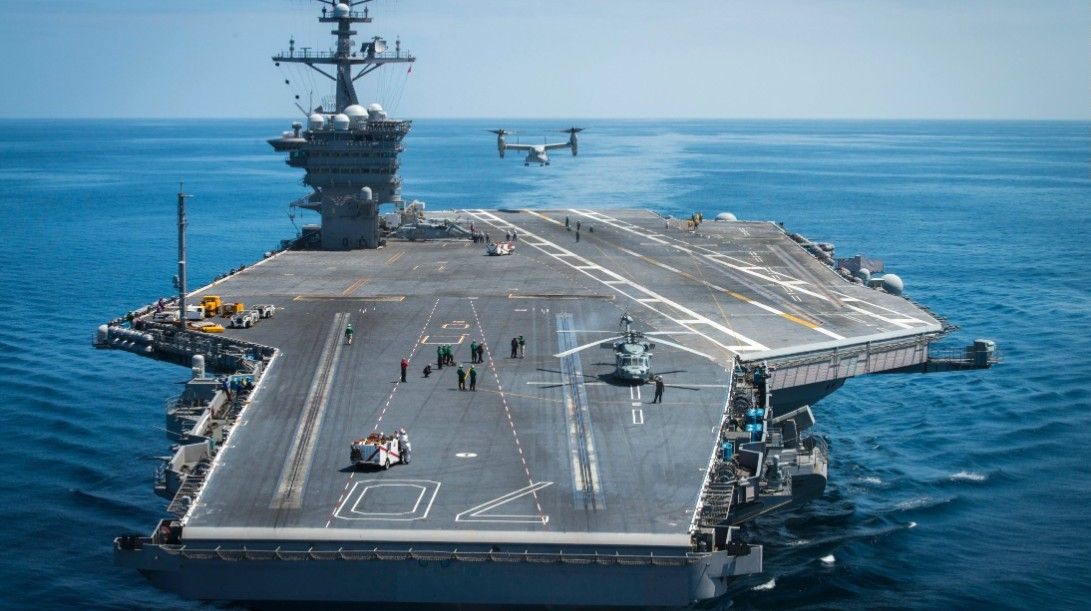
U.S. Navy Nimitz Class Supercarrier
U.S. President Donald Trump has announced his country’s decision to withdraw the country’s ground assets from Syrian territory, with the head of state having stated his intention to do so earlier in the year. The initial pretext of deploying U.S. forces to Syria was to bring about the defeat of the Islamic State militant group, though Washington refused to cooperate with Syria or its Russian allies in the campaign to undermine the jihadist movement and was repeatedly accused by Russia, Turkey and Iran among others of aiding the Islamic State to further its own ends in the country. The presence of U.S. boots on the ground, officially 2,000 personnel though some estimates put this figure higher, has reportedly impeded the Syrian government and its allies’ ability to strike IS forces operating in American controlled areas - which served as a key pretext for a number of claims that the U.S. had placed jihadists under its affective protection. Jihadist attacks on Russian military positions carried out from U.S. controlled regions of Syria, and the close proximity of Jihadist concentrations to U.S. assets, further fuelled such accusations.
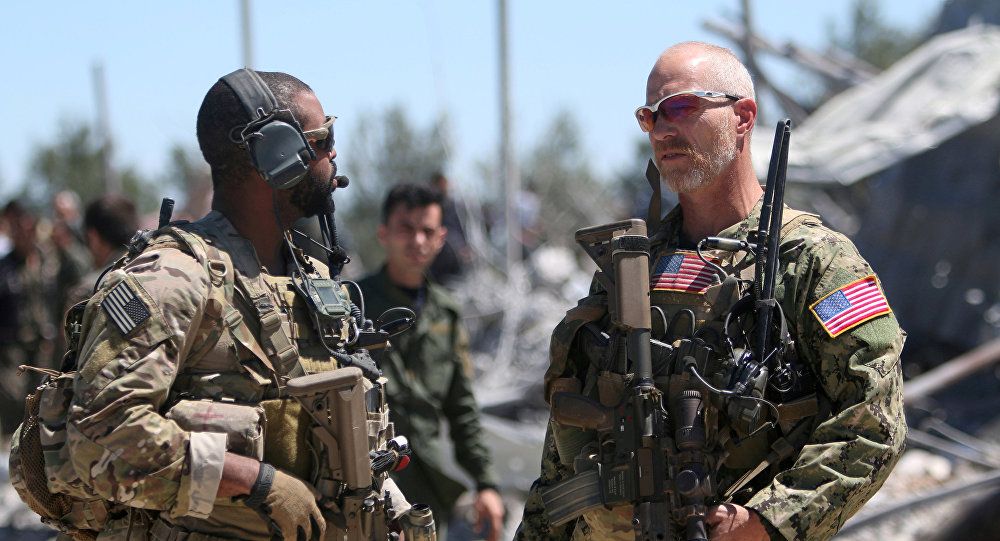
U.S. Troops Near Turkish-Syrian Border
While the presence of U.S. forces have provided a key impediment to the reunification of Syria under Damascus’ control, an undesirable outcome for the Western Bloc given its close cooperation with Russia, North Korea and Iran and the longstanding Western goal of imposing regime change on the country, large concentrations of American ground troops operating from fixed military bases are increasingly considered a liability. As tensions with Iran, the Iranian backed Lebanese militia Hezbollah and even Russia have escalated, U.S. forces in Syria have found themselves increasingly vulnerable. While U.S. assets are far from isolated, enjoying massive support from military facilitates across the region, naval strike groups and intelligence assets in space, they are also potentially ludicrous targets which could become isolated in the event of a flare in tensions with Iran and its allies - which operate extensively in and deploy large numbers of assets to the Syrian theatre. The vulnerability of these U.S. assets was perhaps best exemplified in October, when Iranian stealth drones derived from the U.S. RQ-170 design carried out a large scale and highly precise strike on jihadist positions near an American military base in Syria. The aircraft reportedly went entirely undetected, and the attack was accompanied by ballistic missile strikes from Iran itself. While U.S. forces have constructed a number of military facilities and deployed high end heavy artillery pieces capable of laying down considerable retaliatory firepower, they remain overwhelmingly outnumbered and at risk of being isolated.
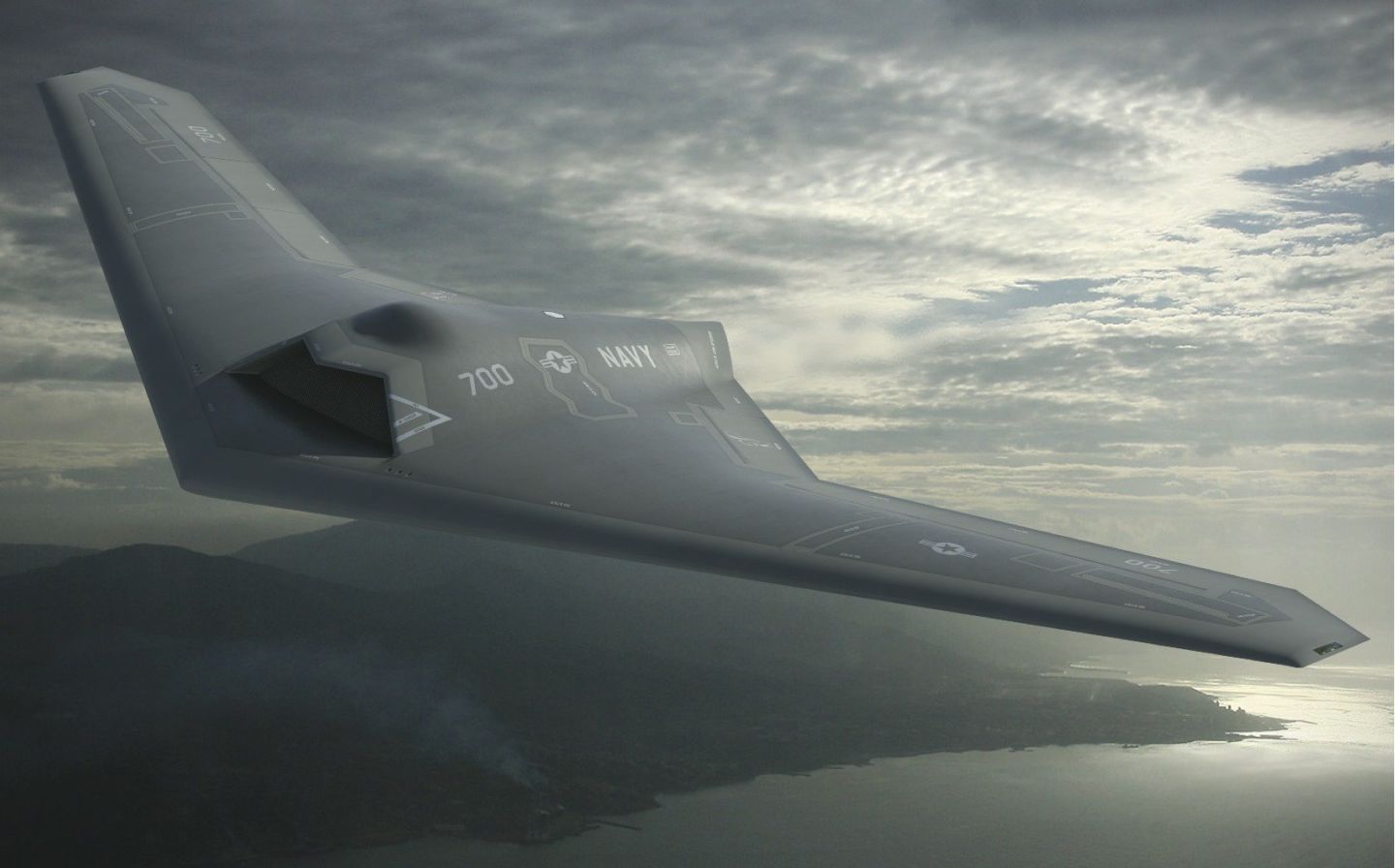
RQ-170 Stealth Drone
Given the potential vulnerability of U.S. assets in Syria, the resulting dangers of escalating U.S. Iranian tensions - or even of escalating tension between Hezbollah and Israel which could draw in their two primary sponsors - withdrawal of ground assets could well be a key prelude to a harder American line against these parties. Open confrontation remains another considerable possibility. Should this occur, the U.S. military’s far more survivable and mobile air and naval assets will be able to conduct massive strikes against enemy ground assets and fixed sites across the region - while America’s own fixed and vulnerable assets in Syria will have already vacated the theatre. U.S. special forces, highly mobile and survivable assets capable of calling in airstrikes and playing a key role in coordinating a larger campaign, are almost certain to remain in Syria long after the country’s military bases have been removed - much as the special forces of Turkey, Iran, Korea, Israel and Britain among others do.
