
U.S. Marine Corps Retire Final EA-6B Prowlers After Almost 50 Years in Service
Military Watch Magazine Editorial Staff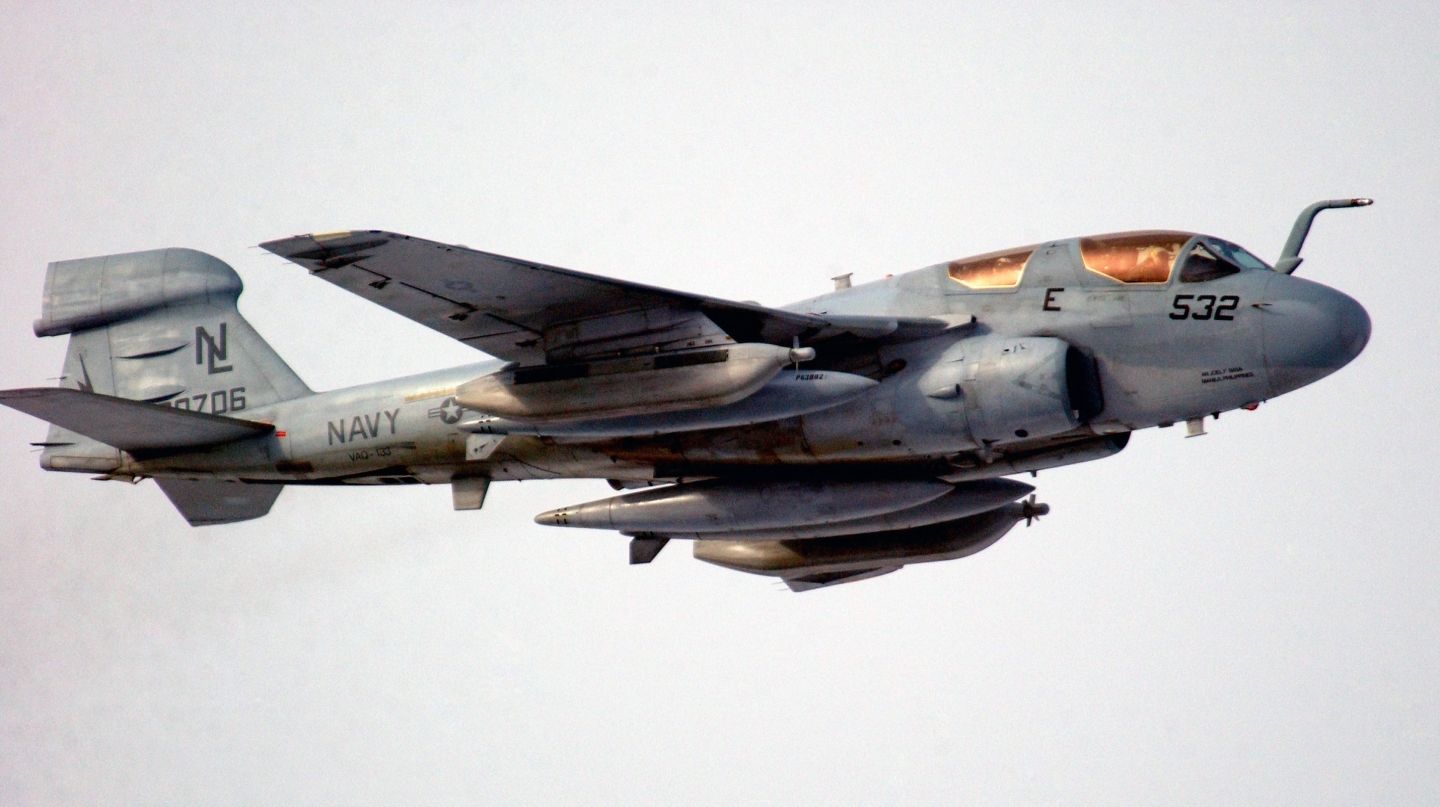
EA-6B Prowler
The U.S. Marine Corps on March 8th 2019 retired the Northrop Grumman EA-6B twin engine heavy electronic warfare jet after 48 years in service - with the aircraft having first been deployed during the Vietnam War in 1971. The Prowler was derived from the Grumman A-6 Intruder which entered service in 1963 - and is the last derivative of the A-6 to be retired. While the A-6 was developed as an all weather carrier based attack jet for the U.S. Navy and U.S. Marine Corps - later replaced by the F-14 Tomcat which was capable of a precision strike role using the LANTIRN pod - the EA-6B was replaced by the EA-18G Growler which entered service in the Navy and Marines from September 2009.
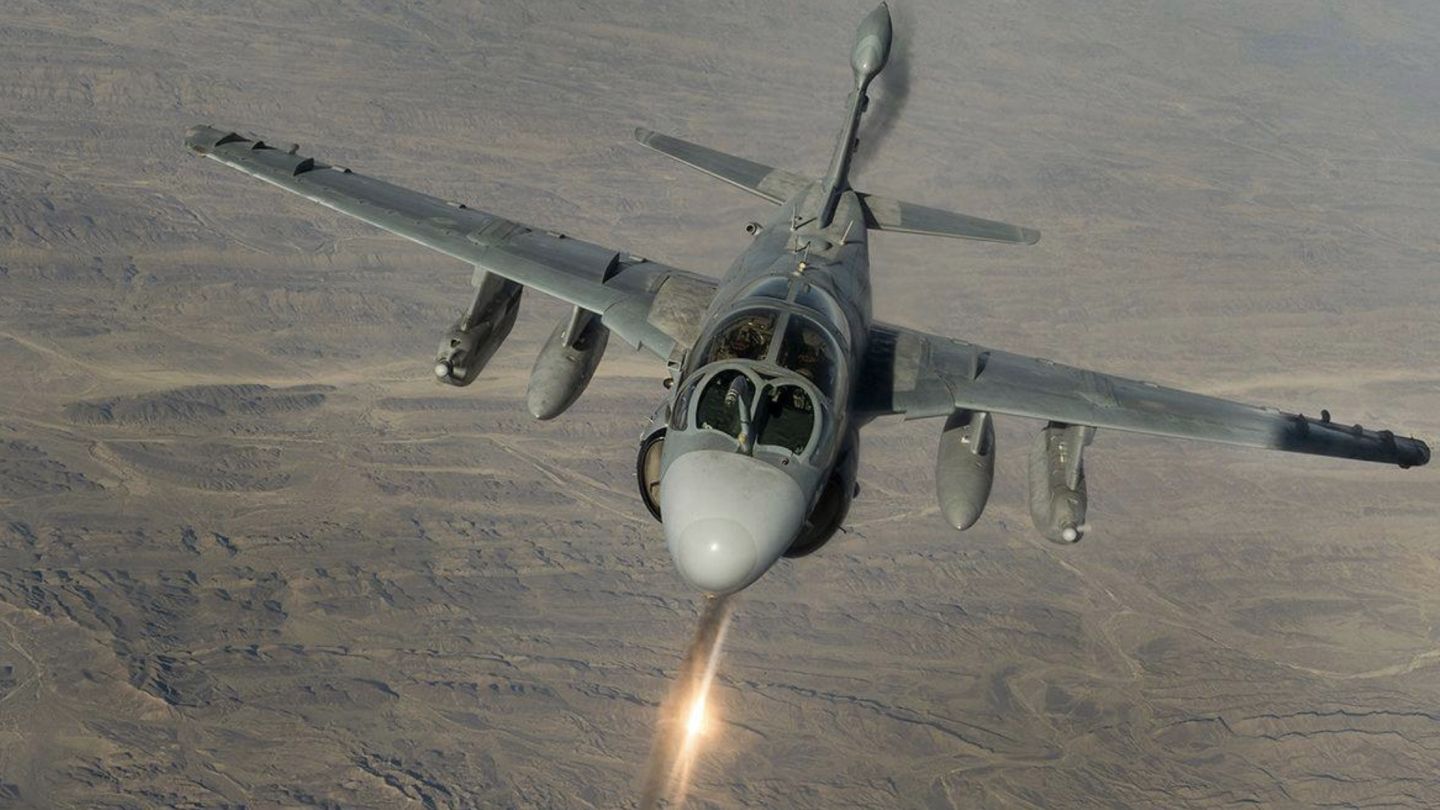
The EA-6B saw extensive service during the Vietnam War, where it was deployed by three Marine Corps squadrons. Initially the the A-6 was converted directly into an electronic warfare jet, the EA-6A, with the addition of electronic warfare equipment on its two seats. The success of the design led to it being manufactured with electronic warfare capabilities and the evolution of a new and distinct class of warplane as a result - with purpose built variants known as the EA-6B. B variants saw the forward fuselage lengthened to create a rear area capable of accommodating four crewmembers. These were manufactured from 1966 to 1991. While the aircraft are highly potent in an electronic warfare role, they suffer from a number of drawbacks including very high maintenance requirements, a low speed, very poor manoeuvrability and a very low operational altitude of 11.5km. These were notably factors credited with leaving the A-6 highly vulnerable to anti aircraft fire - an example being the downing which took place in December 1983 over Lebanon. The replacement EA-18G Growler, based on a medium weight fighter rather than an attack jet, improves on these specifications considerably and has far superiority survivability as a result.
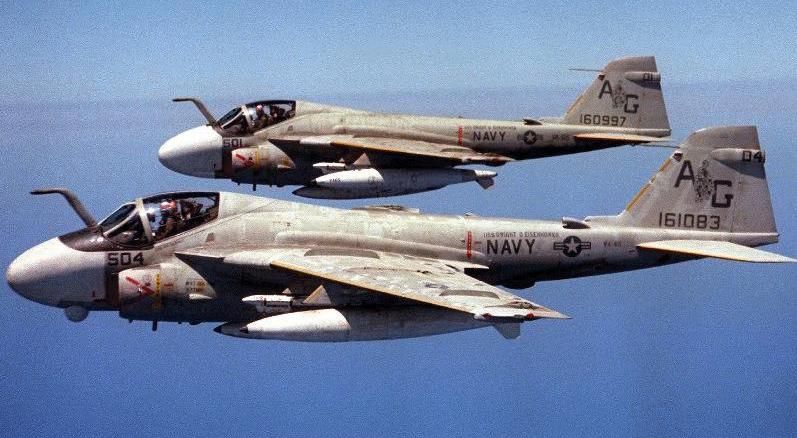
The Prowler represents the last aircraft of a bygone generation of American fighters to serve, and was retired by the U.S. Navy in June 2015. The aircraft is capable of deploying from the service’s Nimitz Class aircraft carriers, and of the 39 of these aircraft took part in Operation Desert Storm against the Iraqi military during the Gulf War 27 deployed from six different aircraft carriers - with a dozen more deploying from Marine Corps bases. The aircraft were engaged primarily in the suppressing of enemy air defences, and fired 150 AGM-88 HARM anti radiation missiles - with the munitions complementing the aircraft’s electronic warfare capabilities and designed specifically to engage air defence assets. The HARM missiles were designed to detect, attack and destroy radar antennae and transmitters by homing in on enemy radar signatures, and were used to upgrade the Navy and Marines’ legacy F-4 and EA-6B fleets while providing newer fourth generation aircraft such as the F-15E with the same capability.
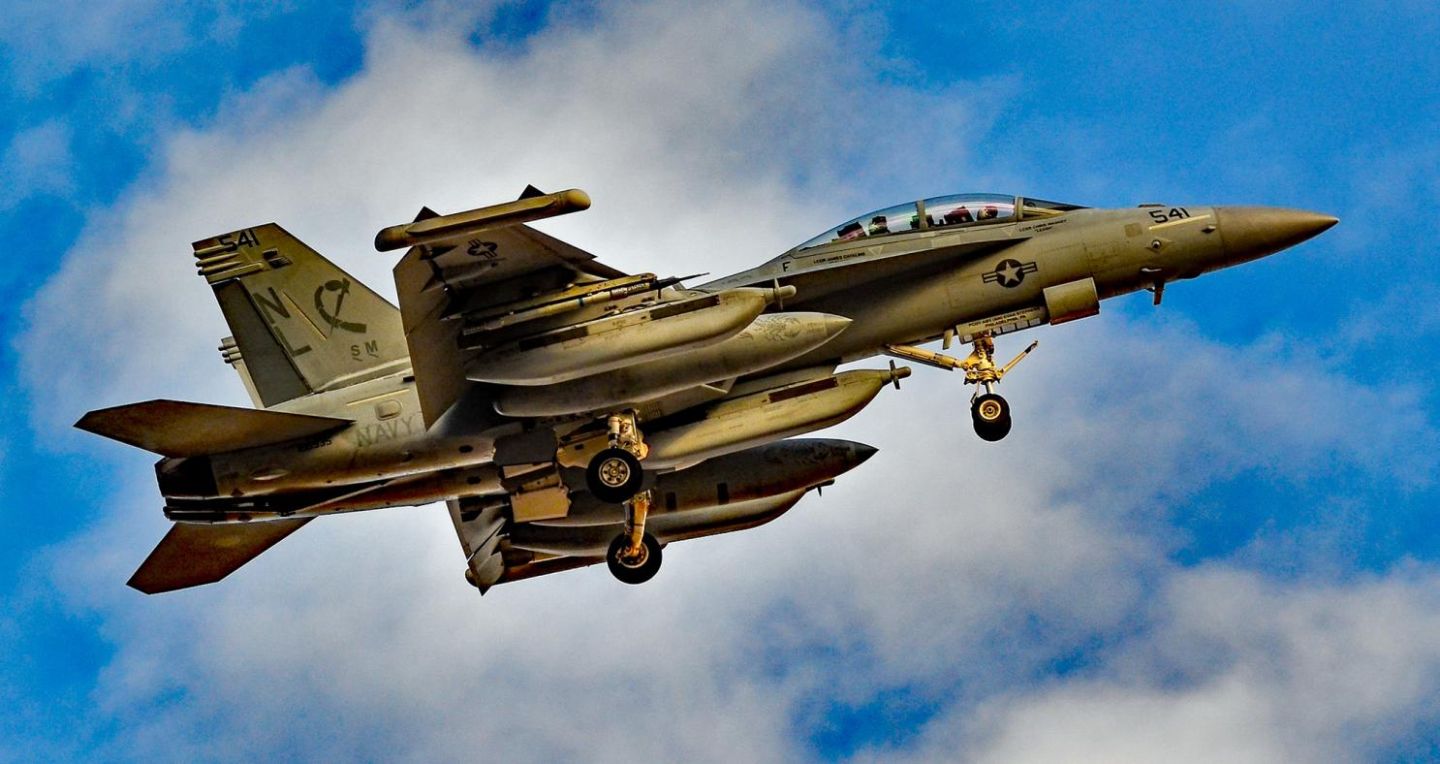
Other than the B-52 Stratofortress heavy bomber, the EA-6B is the oldest combat aircraft still serving in a frontline role in the United States military. Its distinctive airframe shape harks back to the designs of the Korean War’s aftermath. The aircraft represented an innovative solution to deficiencies in electronic warfare capability at the time of the Vietnam War, and its longevity in service 51 years after its first flight is testament to its effectiveness. The U.S. Navy and Marine Corps, for their part, are reportedly currently planning the commissioning of a new electronic warfare platform to replace the EA-18G - an aircraft which is unlikely to see a service life as long as that of the Prowler it replaced.
