
U.S. and India in the Crosshairs? Pakistan Launches Major Naval Exercises Simulating War with Numerically Superior Adversaries
Military Watch Magazine Editorial Staff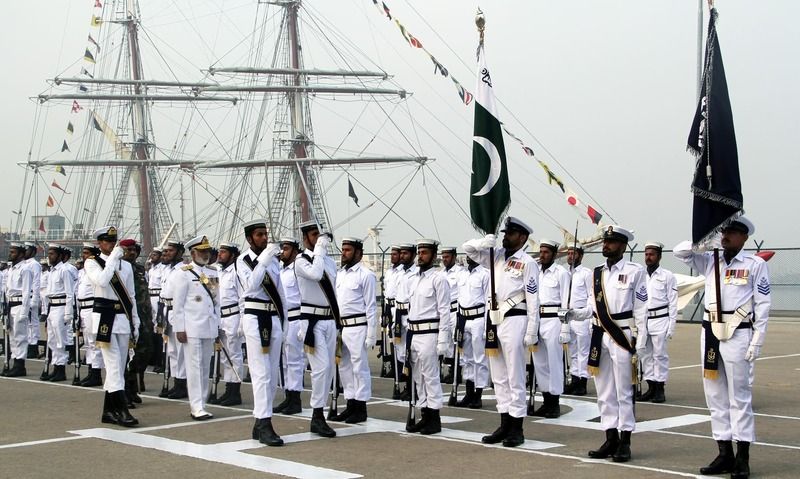
Pakistani Navy Servicemen Onboard Warship
Amid simmering tensions with Delhi and rapidly deteriorating relations with Washington, Pakistan's Navy has launched major exercises to increase combat readiness for a potential conflict against a numerically superior adversary. With the country's fleet vastly outnumbered by the navies of both the United States and India, Pakistan's Navy has been forced to adopt asymmetric tactics to allow it to prevail. Exercise Ribat began on February 3rd at the port city of Karachi, and trained crews in implementing such tactics. Vice Admiral Kaleem Shaukat, Pakistan's vice chief of naval staff, stated that the exercises were preparation for engagement against a larger fleet, urging seamen to remember that Muslim forces had historically defeated numerically superior forces on numerous occasions by relying on superior strategy and faith in Allah. According to Pakistan's Ministry of Defence, the purpose of the exercises was to practice "war fighting concepts under evolving multifaceted threats ranging from conventional to subconventional warfare," as well as to enhance cooperation between the Navy and Air Force "at extended ranges into the Arabian Sea."
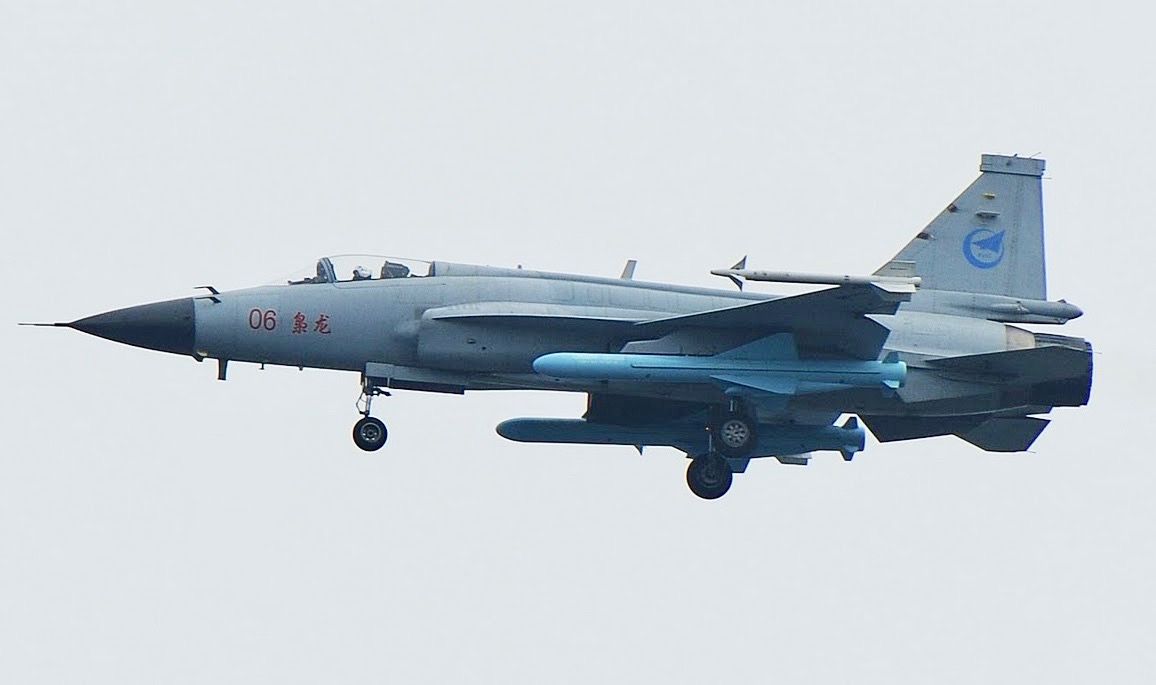
Exercise Ribat will, according to Pakistani military reports, involve enhancing cooperation with the Air Force “at extended ranges into the Arabian Sea.” It involved “war fighting concepts under evolving multifaceted threats ranging from conventional to subconventional warfare.” Pakistan's Navy has in recent years attempted to bridge the gap between hits capabilities and those of its Indian counterpart, which continues to enjoy a massive conventional advantage. A key asset for Delhi are its Su-30MKI heavy fighters, which though based on airframes designed for air superiority are also capable of using their extreme range and advanced sensors to effectively deliver BrahMos anti ship cruise missiles - munitions capable of tearing ships in half with a single strike during exercises. Pakistan's Air Force, with a combat fleet comprised exclusively of light platforms with relatively short ranges such as the F-16 and JF-17, will be forced to fly maritime sorties considerably closer to its coasts. The advanced capabilities of the recently inducted Mach 4 YJ-12 anti ship cruise missiles acquired from China, which can be deployed by indigenous JF-17 fighters for advanced ship hunting, have revolutionised the ship hunting capabilities of the country's fighter squadrons when properly equipped. Pakistani efforts to focus on more asymmetric measures such as strengthening its more survivable submarine fleet, as well as possible acquisitions of Chinese made long range drones and heavier fighters in future, are all key to strengthening its position at sea.
