
U.S. Air Force Deploys F-22 Raptors to Europe
Military Watch Magazine Editorial Staff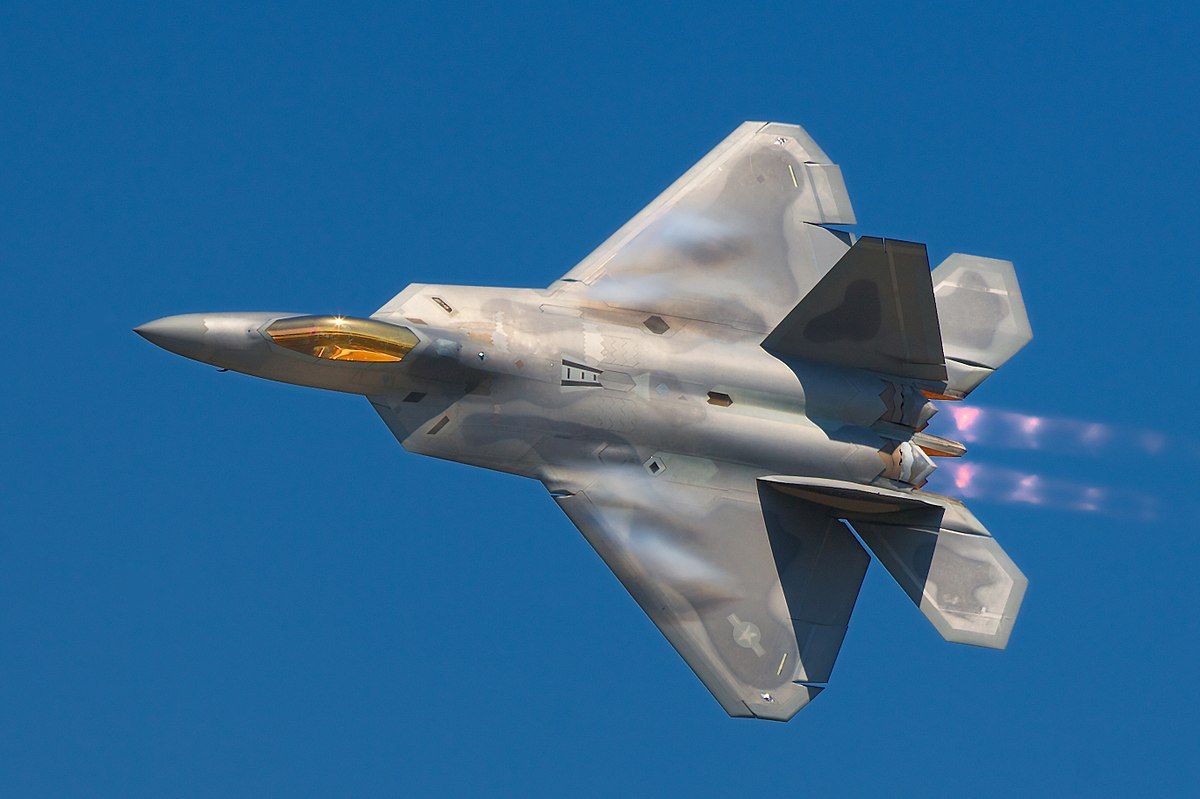
F-22 Air Superiority Fighter
The U.S. Air Force has deployed six F-22 Raptor fifth generation fighter jets from its to the 27th and 94th Fighter Squadrons to the RAF Lakenheath airbase in the U.K. There is a possibility of six further fighters deploying permanently to Lakenheath, with six having stopped over there after returning from the Middle East, where they have provided the United States with an invaluable air superiority capability to balance the deployment of the Su-35 by the Russian Air Force. The F-22s will be involved in training exercises alongside NATO allies. According to the Air Force: "while in the European theatre, the F-22s will also forward deploy from the U.K. to other NATO bases to maximise training opportunities, demonstrate our steadfast commitment to NATO Allies and deter any actions that destabilise regional security. This FTD is fully funded by the European Deterrence Initiative (EDI)."
Deployment to the U.K. for combat missions over Europe, unlike combat over the Asia-Pacific region, is precisely what the F-22 was designed for. Developed with the range to take the fight to the Warsaw Pact from bases in the U.K. and return without an excessive reliance on in air refuelling, a luxury fighters in East Asia would not share should they seek to engage Chinese targets, Europe is perhaps the ideal theatre for the F-22. According to studies by American military think tanks the F-22 is the only U.S. fighter capable of combatting the Russian Su-35, and is therefore a much needed capability in the European theatre. With Russia set to induct its Su-57 into service in 2018, the United States will need the Raptor more than ever before.
The F-22 has previously deployed to Romania and Lithuania amid NATO's growing tensions with Russia, and have sent a strong signal to the Russian military in a way no other U.S. combat aircraft could. Though deployments are down to only six fighters each, a result of the program's early cancellation meaning only 25% of the Air Force and none of the Navy's needs were met, they still remain a highly potent fighter, likely the most potent in the world - though 2018 will see a formidable challenge to this title emerge. The F-22's deployment in Europe augments NATO's capabilities in a way no other fighter could, and is critical particularly in light of the fact that no European nations other than Ukraine and Belarus (Su-27) field high performance air superiority combat platforms - making them particularly vulnerable to Russia's flees of several hundred advanced air superiority platforms. The Raptors have notably also been deployed to the United Arab Emirates, from where they have conducted regular sorties into Syria and Iraq to counterbalance the deployment of Russian Su-35 and Su-30 air superiority fighters. Without the F-22 the U.S. faces a significant capability disadvantage in the field of air superiority, and as Russia develops its existing platforms and inducts ever more advanced heavy fighters into service, the Raptor's role will become only more critical.
