
U.S. Air Force Completes Major 14 Year Upgrade Program For F-22 Fighters
Military Watch Magazine Editorial Staff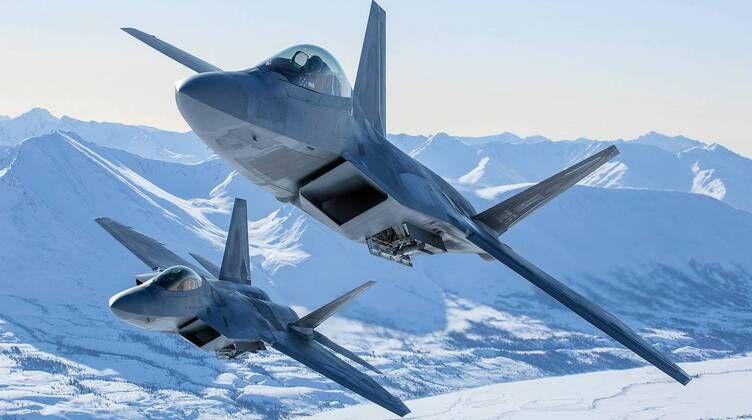
F-22 Heavyweight Fifth Generation Fighters
The F-22 System Program Office recently completed the 14 year long F-22 Structural Repair Program in collaboration with Lockheed Martin and Boeing - the country’s two largest defence manufacturers which were both responsible for developing and manufacturing certain parts of the aircraft. The F-22 Raptor heavyweight fighter entered service in the U.S. Air Force from December 2005, and is considered the most capable fighter jet in the Western world in terms of air to air combat capabilities. The Raptor’s’ F119 engines were unrivalled at the time of entry into service in terms of power for a fighter sized aircraft, and the F-22 was the first Western fighter to use technologies such as thrust vectoring engines and phased array radars which were previously only used in Russia and Japan. Although formidable, many of the fighter's technologies are considerably out of date today compared to newer designs such as the F-35 and F-15EX or to foreign next generation aircraft such as the Chinese J-20. Although modernisation efforts have been relatively conservative, they are still essential for the program and for the fighters in service to remain relevant.
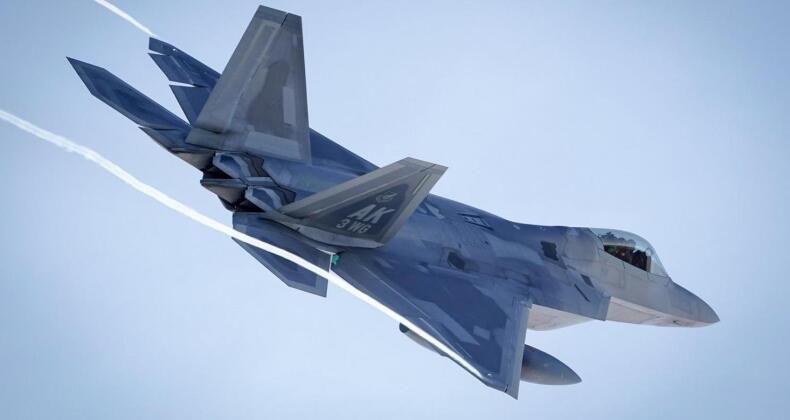
The Ogden Air Logistics Complex’s 574th Aircraft Maintenance Squadron was tasked with upgrading the final F-22 fighters under the program, with director Misty Stone stating regarding the program’s completion: “This is a great milestone for the program… Since Hill Air Force Base gained the F-22 workload in 2006, the 574th AMXS team of 400 employees has remained focused and dedicated on expanding the combat capabilities of the F-22 weapon system.” Upgrades included structural modifications to increase Raptor’s total flying hour serviceability by 8,000 hours for each aircraft. Over 8,645 Time Compliance Technical Orders were completed — totalling over 3,880,000 hours. Approximately 1,550,000 hours were dedicated to restoration of the fighters’ stealth coatings, with 2,328,000 hours allocated to mitigating corrosion, aircraft modifications, modernisation and repair.
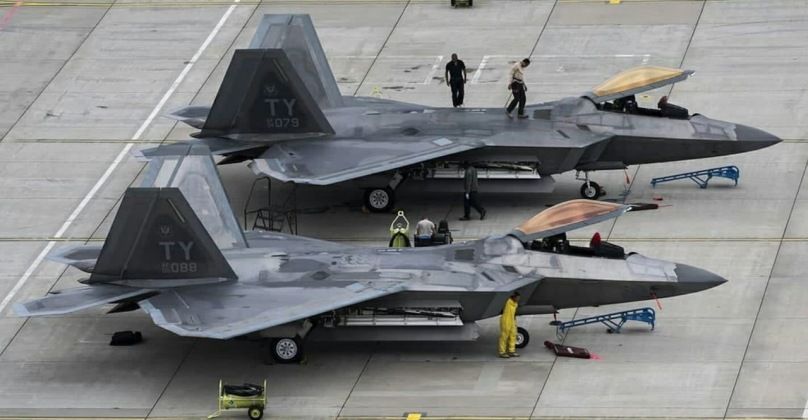
The new modifications improved the low observable coatings on the fighters’ engine inlets and overhauled its flight controls, and with the program completed the 574th will shift to a 10 year reversion workload. Nevertheless, the F-22 Structural Repair Program fell far short of the upgrades many analysts have stressed are needed for the Raptor fleet, with the the aircraft using very old computer architecture and data links the latter which are no longer viable. The Raptor’s lack of features such as helmet mounted sights or distributed aperture systems leave it at a disadvantage against the newer F-35 or its Chinese rival the J-20 which are overall much more modern and integrate a range of important new technologies the F-22 still lacks.
