
Turkmenistan Strengthens Chinese-Origin Air Defence Network with New FK-2000 Missile Systems
Military Watch Magazine Editorial Staff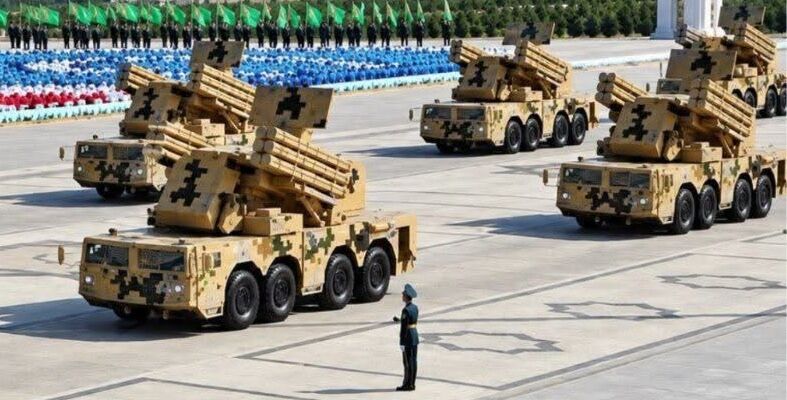
FK-2000 Air Defence Combat Vehicles in Turkmenistan Service
China’s FK-2000 short-range air defence system has appeared in Turkmenistan for the first time during a military parade marking the country’s 35th anniversary of independence, highlighting the increasingly prominent role of Chinese weapons in the country’s air-defence network. Images from the September 27 parade show FK-2000 vehicles among the equipment displayed by the Turkmen Armed Forces, following confirmation from government sources that new military equipment would be on parade. The FK-2000 is the fourth Chinese surface-to-air missile system operated by Turkmenistan, alongside the HQ-9 long-range air-defence system, and HQ-7 short-range systems. Chinese systems now form the core of the country’s air defence capabilities.
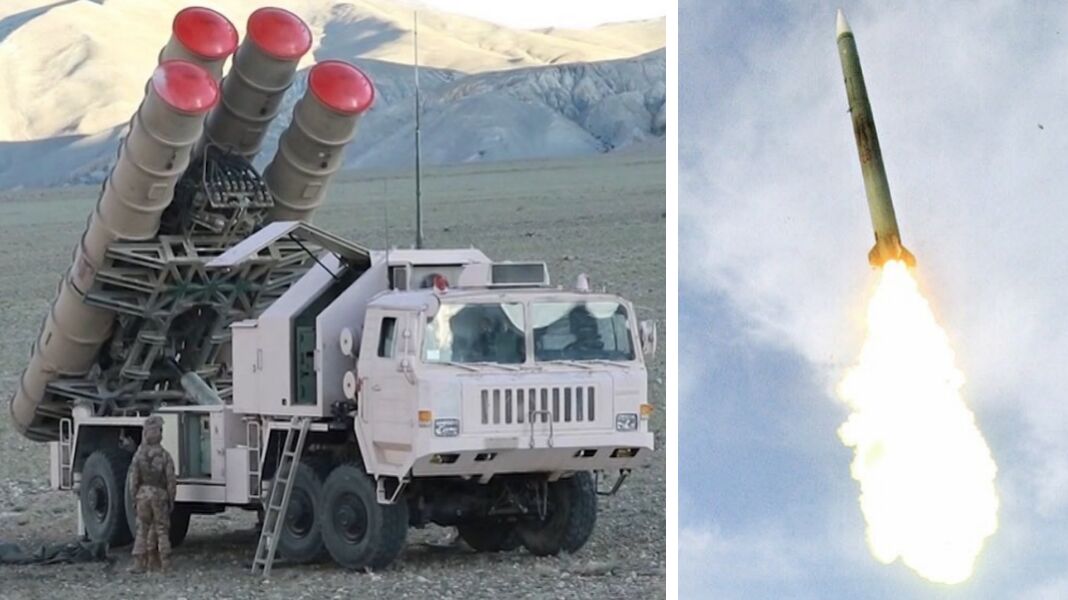
The FK-2000 was developed by the China Aerospace Science and Technology Corporation, and was first publicly unveiled at Airshow China in 2021. It is an integrated gun-and-missile air-defence system mounted on an eight-wheel-drive chassis, with the entire engagement system carried on a single vehicle. Chinese state sources describe it as an all-weather short-range terminal air-defence system combining radar, electro-optical sensors, missiles and automatic cannon. Each vehicle carries 12 surface-to-air missiles and two six-barrelled 30 mm Gatling-type cannons.
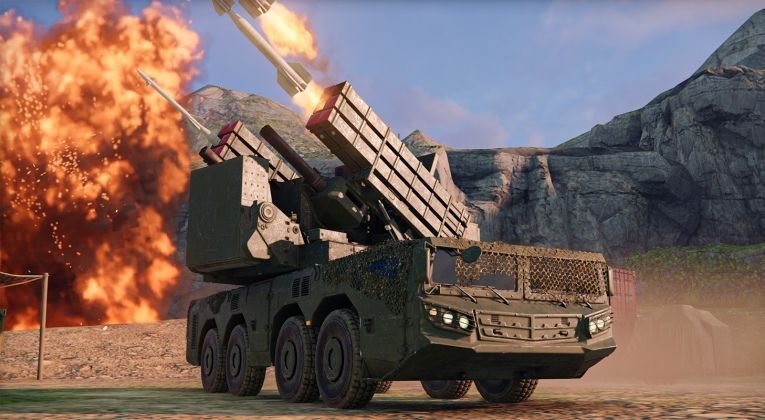
The FK-2000’s mobility is another important characteristic. Its 8×8 chassis is designed for cross-country movement alongside mechanised formations rather than simply providing static protection to a fixed installation. This allows the system to function as a mobile defensive layer for armoured and mechanised forces, command posts, logistics concentrations and other high-value battlefield assets. Its optimisation for countering saturation attacks makes it highly complementary to the HQ-9, playing a comparable role to the Pantsir air defence combat vehicle in Russian service, while the HQ-9B is broadly analogous in role and configuration to the Russian S-400 system.
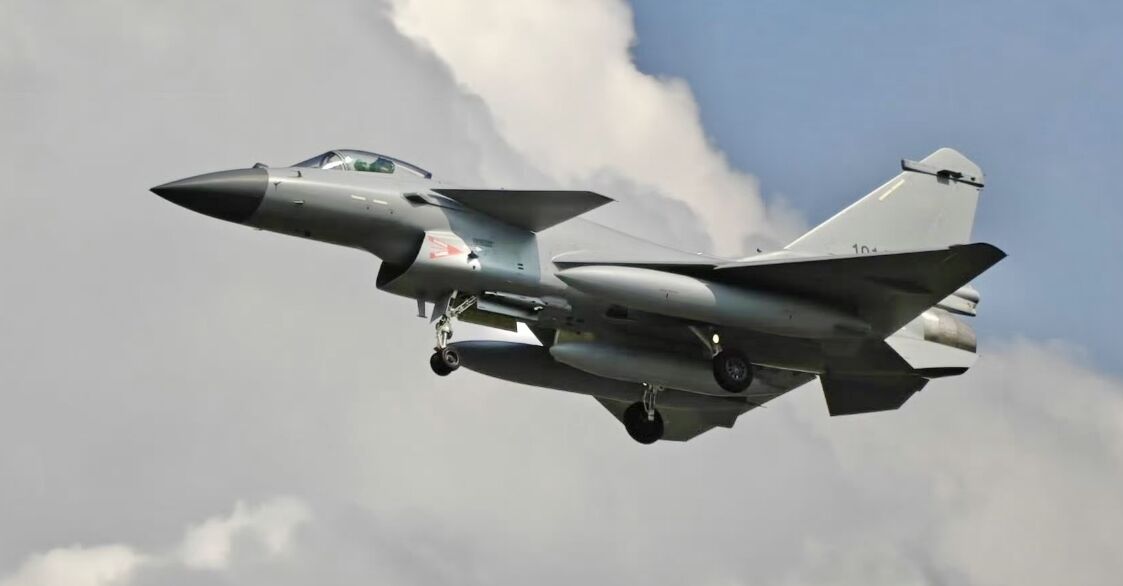
Turkmenistan’s procurement also demonstrates the extent to which Chinese air-defence systems have expanded across Central Asia. Following Uzbekistan’s procurement of J-10C fighter aircraft earlier in the year, it has also been speculated that Turkmenistan could consider the Chinese J-10C or J-35 to replace its Soviet-origin MiG-29 fighters. Central Asian states’ ability to endure Western political pressure allows them to consider defence procurements from China in ways that countries in other regions have consistently been unable to, which combined with relatively high levels of defence spending in Turkmenistan, Kazakhstan, and Uzbekistan makes them a significant potential growth market for Chinese defence exports.
