
This Soviet MiG-29 Aggressor Squadron Was Assembled to Train Pilots to Kill American F-15s
Military Watch Magazine Editorial Staff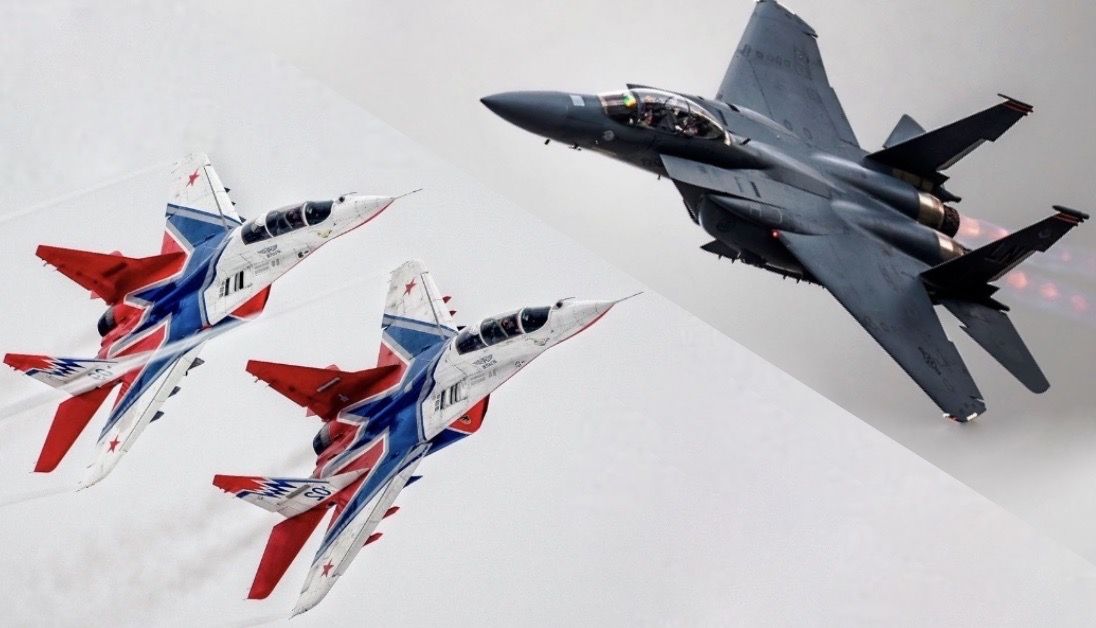
MiG-29s (left) and F-15 Eagle
In 1976 the United States Air Force inducted the F-15 Eagle heavyweight air superiority fighter into service - the first fourth generation fighter it would deploy and the second of its generation in the world after the U.S. Navy’s F-14 Tomcat. The fighter proved highly capable in air to air combat, and was used effectively by the Israeli Air Force in 1982 to neutralise Syrian MiG-23 and MiG-21 third generation jets. These Soviet aircraft were much lighter and lacked comparable air to air missiles, which combined with Israel’s detailed knowledge of both designs due to Egyptian assistance provided the F-15s with an overwhelming advantage. The F-15 would remain unrivalled among fighters fielded by any Western air force in its air to air combat capabilities until 2005 when the F-22 Raptor entered service, and until today modern versions of the jet remain second only to the Raptor among Western designs by a considerable margin.
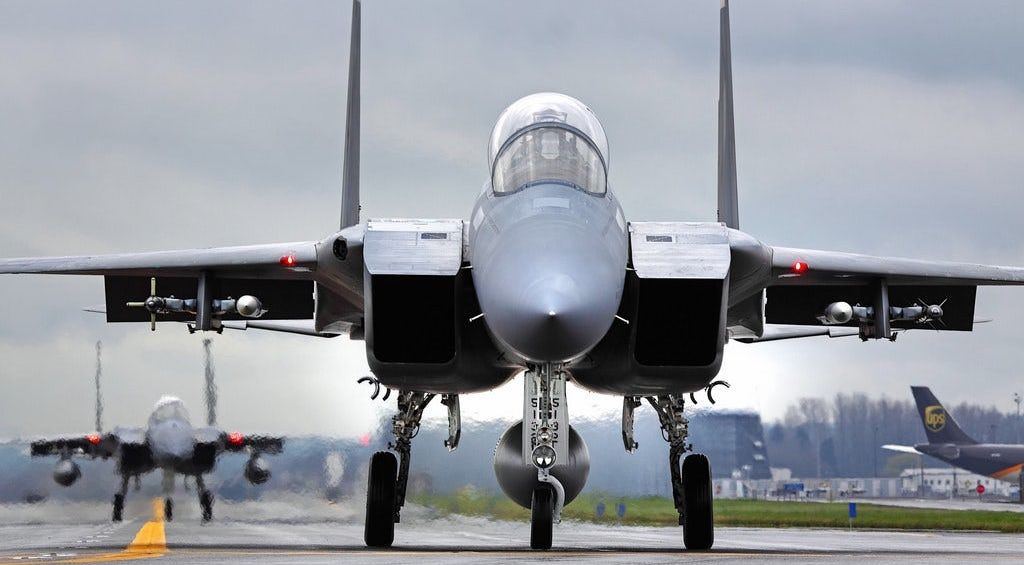
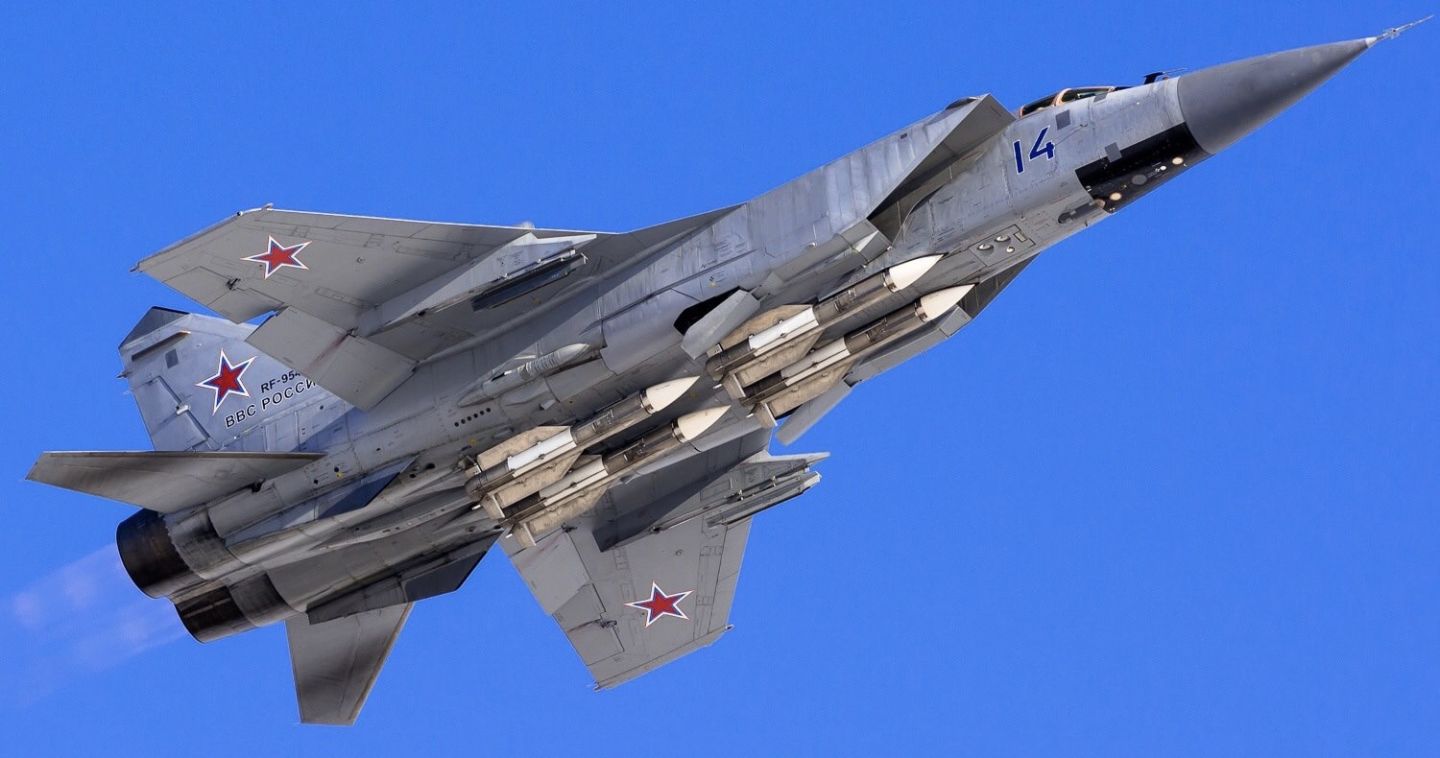
In response to the threat posed by the F-15, the Soviet Union would not only deploy a new generation of more capable heavyweight jets of its own - but would also train its air units specifically for the task of tackling the American jets. Three Soviet jets were developed with superior air to air missiles and multiple performance advantages over the F-15. These included the Su-27, a direct analogue to the Eagle which entered service in 1985, as well as the MiG-25PD and MiG-31 interceptors. The MiG-25PD was a fourth generation variant of the original MiG-25 deign with updated electronic warfare systems, sensors, avionics and weaponry. It would never see combat, but had major advantages over the F-15 in speed, altitude and engagement range. The advantages held by the MiG-31 - a jet over twice as heavy as the Eagle with much more powerful sensors and weaponry - were even more significant.
While the USSR had classes of specialised heavyweight jets capable of dealing with the F-15, further precautions needed to be taken as the vast majority of its fleet - which was comprised of much lighter less capable jets - still faced a high chance of going up against the Eagle in the event of a major war given the numbers in which the elite American fighters were deployed. The primary threats came from the U.S. Air Force, which deployed over 700 Eagles, and from allied Japan which deployed 200 more near Russia’s Far East. An Aggressor Training unit was thus established, in which Soviet pilots would fly MiG-29 Fulcrum fourth generation fighters to simulate the capabilities of the F-15 in combat - allowing other units to gain experience against them and develop suitable tactics. This closely reflected what the U.S. Air Force was itself doing at the time using Soviet jets such as the MiG-23 and MiG-21 acquired from states such as Egypt and Indonesia to train pilots in how to combat them. Where the Soviets or Americans did not have access to jets they sought to train against - they would use an aircraft with similar capabilities to simulate the capabilities of the adversary as the Soviet Air Force did with the MiG-29. The MiG-29 was only slightly slower and lower flying than the F-15 but was much more manoeuvrable, climbed faster and carried longer ranged missiles. The two designs conceptually had a number of similarities which made the Fulcrum a suitable jet to simulate the Eagle's capabilities.
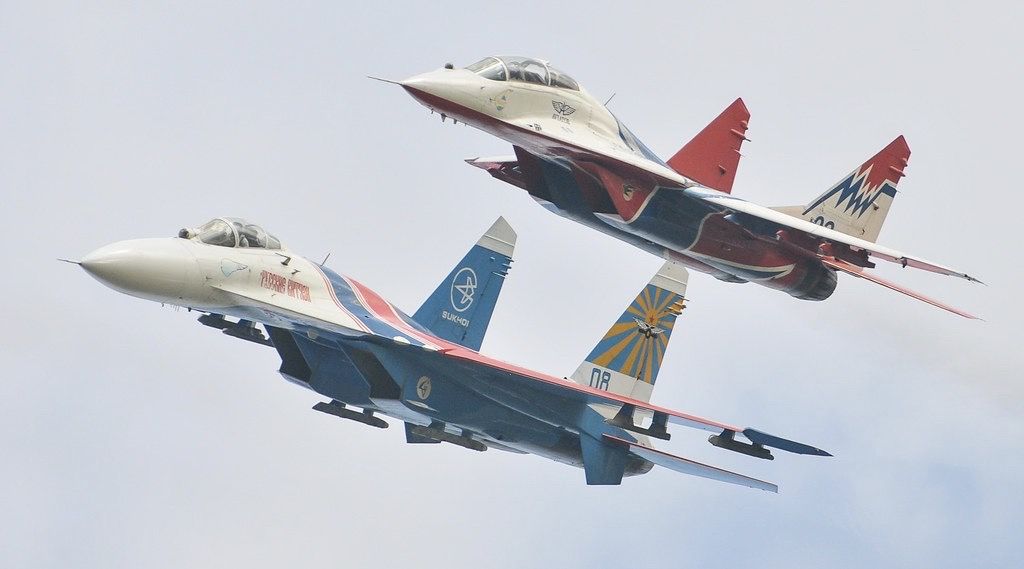
Aggressor training was reportedly carried out at the 1521st Aviation Base, where pilots would usually fly two sorties a day against their adversary. MiG-29s were painted to resemble the F-15s they were training pilots to engage, with wingtips and stabilator tips painted yellow with a black outline which visually altered their shapes making them appear raked as on the F-15 from a distance. Nose art resembling that on NATO fighters was also permitted. This artwork helped to distinguish the ‘aggressor’ fighters from those which were training against them - as pilots were often being trained on MiG-29s as well as the Fulcrum emerged as the USSR’s primary fighter in the 1980s to replace the MiG-21bis and MiG-23ML/MLD. The second squadron from the 1521st Aviation Base was initially intended to receive Su-27 fighters for aggressor training - the closest thing in the world to an F-15 fielded by any country - but this was delayed with MiG-29s provided to the second squadron in the interim. The Soviet Union would ultimately collapse before any Su-27 aggressor squadrons were formed, with the cash strapped Russian Federation retiring the vast majority of its MiG-29 fighters and transferring fighters from the 1521st Aviation Base to the Kazakh Air Force. No comparable aggressor training program has been revived in any Soviet successor states since.
