
The Rise and Fall of the F-117 Nighthawk as a Prime American Stealth Fighter; From Desert Storm to Rumoured Cover Missions in Syria
Military Watch Magazine Editorial Staff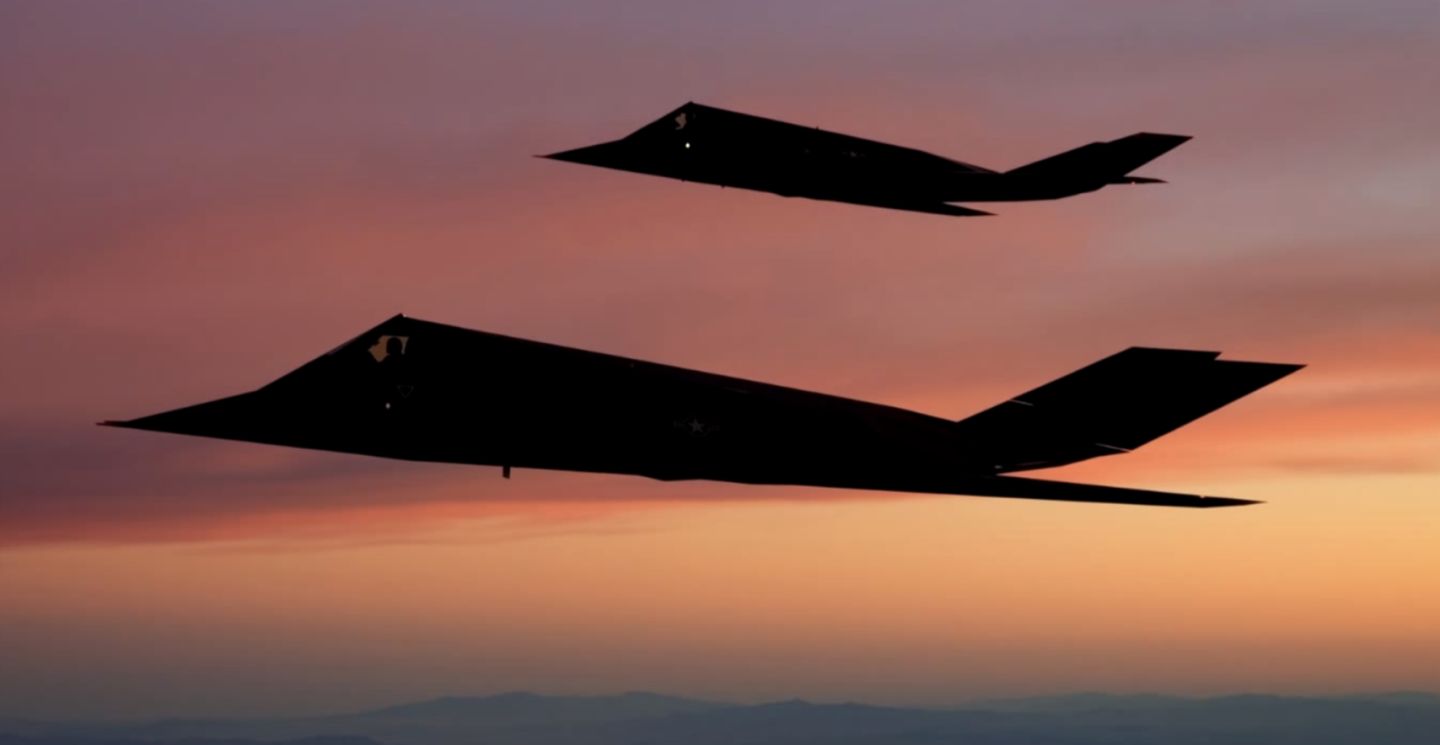
F-117 Stealth Fighters
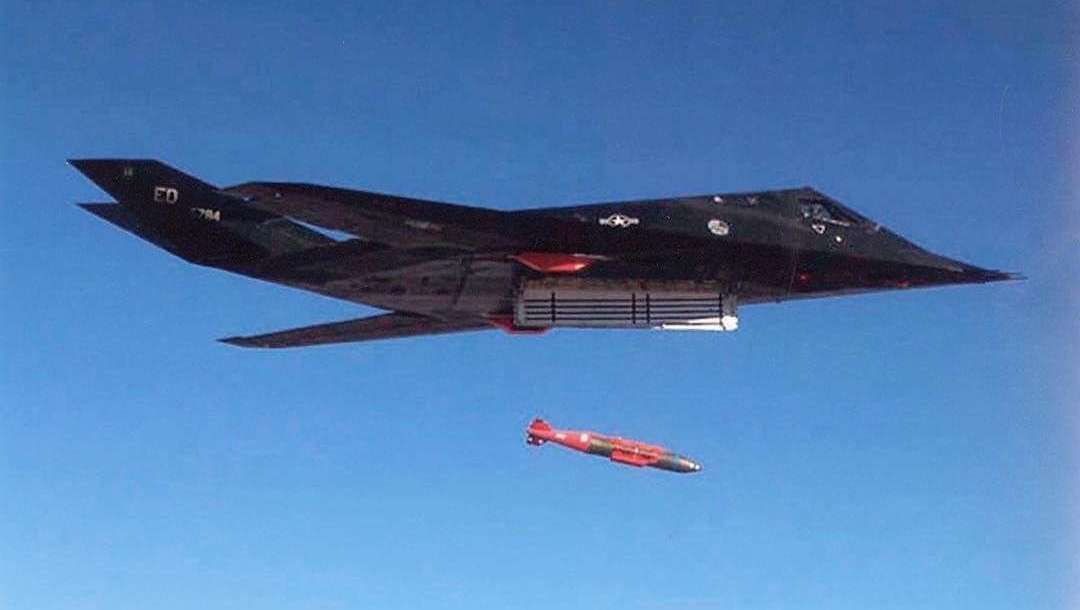
The F-117 Nighthawk twin engine fighter entered service in 1983, just two years after its first flight, as the United States’ first stealth fighter - a platform which would pioneer the stealth technologies later implemented on the F-22 Raptor and F-35 Lightning II fifth generation combat jets over two decades later. The aircraft was subsonic with an extremely poor thrust/weight ratio of 0.40 (under 1 is generally considered substandard), and while it was officially designated as a fighter rather than a bomber this was according to experts involved in the program a means of recruiting highly trained U.S. Air Force fighter pilots - and was not the most accurate description of its capabilities. The aircraft was, with the exception of its radar cross section reducing stealth profile and radar absorbent coatings, far from remarkable - restricted to extremely low altitudes of under 14km (the MiG-29 can reach 18km, the F-15 can reach 20km) with its speed, manoeuvrability and weapons payload also extreme restricted. The fighter had no access to missiles for either air to ground or standoff strikes, making it almost a pure bomber. The fighter’s maintenance requirements were also extreme even compared to high end air superiority fighters such as the F-15 and later F-22, making it highly impractical to operate. While these were reduced considerably over a decade into its service life, they remained extraordinarily high.
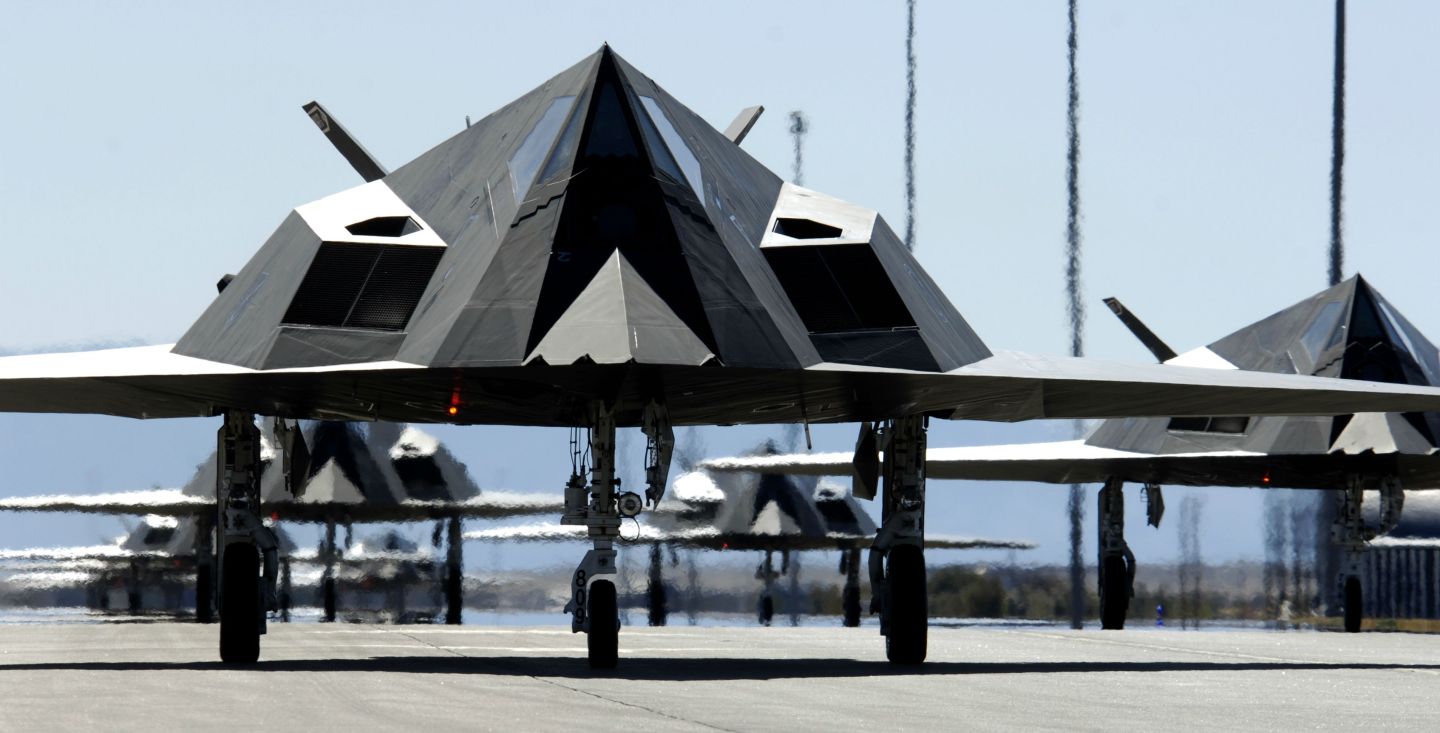
While the F-117 had several limitations, its niche capabilities allowed it to fulfil the role for which it was designed - penetrating enemy air defences and targeting radar and surface to air missile systems to erode air defence capabilities and thereby pave the way for attacks by non stealthy jets such as the F-15E Strike Eagle. The aircraft’s initial years in service saw it operated almost entirely in secret from the Tonopah Test Range Airport in Nevada, with the cloaking of its existence key to denying the USSR and its allies a headstart in developing counter stealth systems or possibly stealth aircraft of their own. While the fighter played a minor role in the brief and almost totally uncontested American air campaign against Pamana, the F-117 and its stealth technology made their real debut in 1991 during Operation Desert Storm in the First Gulf War - softening Iraqi air defences to an extent that losses among the American air fleet were reduced considerably. This was key to facilitating strikes on Baghdad in particular among other heavily defended areas, which in turn allowed the U.S. Air Force to quickly neutralise the Iraqi Air Force by rendering the its major airfields inoperable - forcing the service to send much of its fleet to neighbouring Iran. This ensured that the Iraqi fighter fleet, which was large and deployed a number of advanced platforms equipped with high end munitions for the time such as the MiG-25 and MiG-29 respectively armed with the R-40 and R-27 missiles, was counted out of the war relatively early allowing the U.S. to strike the massive and uncovered Iraqi infantry and armour formations in the Kuwaiti deserts almost completely unmolested.
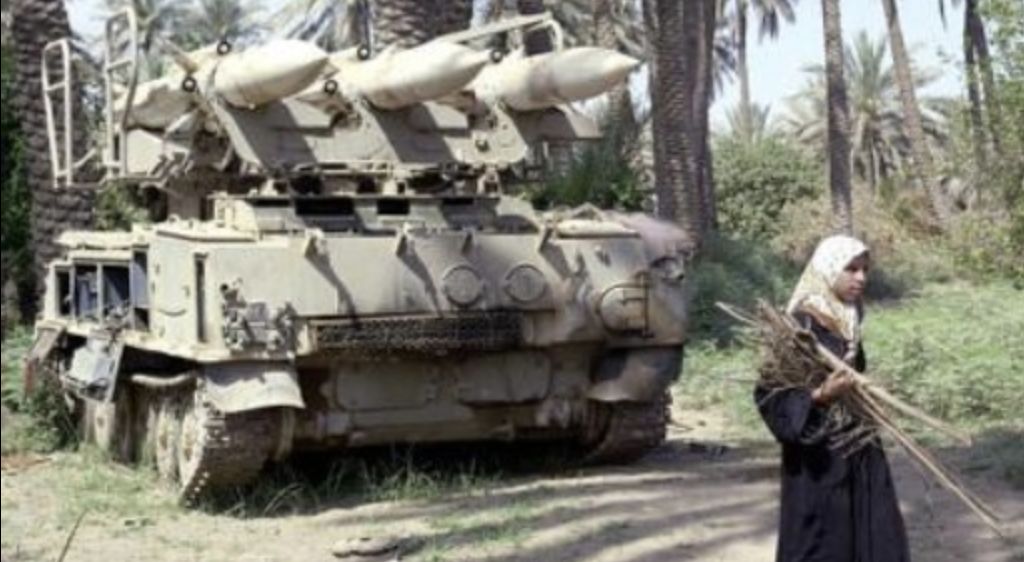
The F-117’s role in the Gulf War through its ability to swiftly provide the U.S. Air Force with access to the airspace over Baghdad and many of the country’s key airbases was arguably pivotal in turning what could have been a longer and more protracted campaign against a heavily fortified adversary into a relatively swift and cheap victory. As the Air Force stated in its Desert Storm white paper: "the F-117 was the only airplane that the planners dared risk over downtown Baghdad,” precisely the role it was meant to fulfil - though initially over East Germany and other Warsaw Pact states to ‘kick in the door’ for NATO air attacks. The fighter made up just 2.5% of U.S. and allied tactical aircraft during Desert Storm, but were relied on for attacks on over 40% of Iraqi strategic targets - flying approximately 1,300 sorties during the conflict’s duration. The aircraft initially had problems with accuracy, and on their first night of strikes failed to hit 40% of their assigned targets which comprised the Iraqi air defence network including the Air Defence Operations Centre in Baghdad. This was despite Iraqi defences’ struggles to lock onto or target the stealth jets. Initial reports of F-117s hitting 80% of their targets were thus later scaled back to "41–60%.”
The F-117’s usefulness after Desert Storm would gradually fade, with Serbian forces studying the fighter’s capabilities and developing adequate countermeasures through the modification of Vietnam War era hardware to target the stealth fighters. The perception that stealth jets were somehow invulnerable, particularly after Desert Storm, may well have contributed to their subsequent losses - as the very slow and low flying aircraft engaged Serbian air defences and took two losses - with one fighter downed and another critically damaged. The second fighter reportedly managed to return to base, possibly with a single engine, but was never again flyable. The F-117 would take part in the 2003 Iraq War, though the state of Iraqi air defences at the time and advanced in standoff munitions for non stealth fourth generation jets such as the F-15E and F-14 considerably diminished the need for stealth jets. The F-22 Raptor’s entry into service in December 2005 marked the first stealth fighter to become combat ready after the Nighthawk. The Raptor improved on the radar cross section of the F-117, and combined it with the speed, altitude, manoeuvrability and versatility of a high end air superiority fighter such as the F-15 - a far more practical platform than the F-117 which was derided as having ‘placed all its eggs in the stealth basket.’
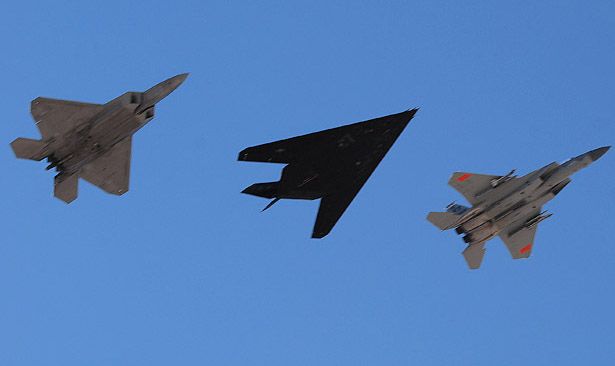
While the F-22’s bomb bays were somewhat restricted, meaning it could not carry nuclear weapons or high penetration bombs as the Nighthawk could, it was joined in 2015 by the world’s second stealth fighter, the F-35, which was capable of deploying these heavier munitions with higher diameters. The F-35, while considerable slower, lower flying and less manoeuvrable than the Raptor, was still well ahead of the F-117 in these aspects, with a comparable radar cross section to the Nighthawk and considerable more sophisticated stealth coatings and electronic warfare systems to further enhance its survivability. By the time the F-35 entered service, the F-117 had been retired for six years - officially being phased out of service in 2008 25 years after it was first declared combat ready. F-117 fighters continue to be maintained in reserve and flown by contractor pilots, and the aircraft are reportedly being used to test new stealth and counterstealth technologies - particularly critical given the Chinese People’s Liberation Army’s deployment of high end stealth fighters from 2017 and the proliferation of advanced stealth technologies to Russia and Iran in the early 2010s. A number of unconfirmed reports indicate that the status of the F-117 may well be more active than previously imagined, with a number of reports indicating that the aircraft were deployed to Iraq and Syria on combat missions in 2016 - which were speculated to have been initiated for the purposes of testing new stealth and weapons technologies. North Korea’s armed forces have notably as recently as 2016 referred to the F-117 as a potential threat - possibly based on some intelligence, faulty or otherwise, indicating that the platform continues to play a role in American defence planning. Whatever its status, the F-117’s capabilities remain well below those of a fifth generation combat jet, and with counter stealth technologies fast advancing and stealth jets operated by non-Western parties becoming more common the airframe’s severe limitations leave it highly vulnerable on the modern battlefield against capable near-peer adversaries.
