
The Man Who Singlehandedly Crippled the Soviet Defence Sector: How CIA Hero Adolf Tolkachev Did It
Military Watch Magazine Editorial Staff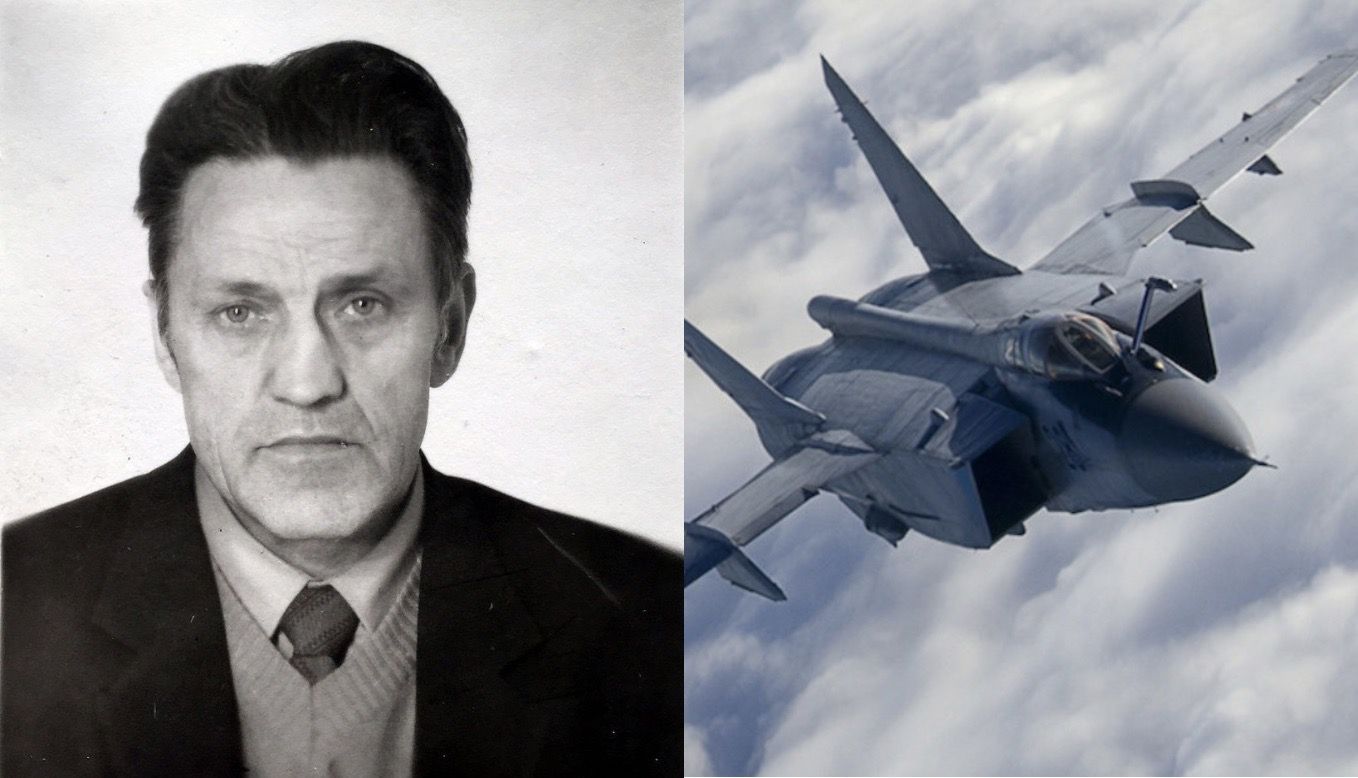
Adolf Tolkachev and MiG-31 Foxhound Interceptor
Following the induction of the first fourth generation fighter jets into service in the United States Air Force and Navy in the 1970s, and amid escalating Cold War tensions, the early 1980s would see the Soviet Union revolutionise its aerial warfare capabilities with a number of new and highly ambitious weapons programs. Among the most significant of these were the R-33 long range active radar guided air to air missile, the MiG-31 Foxhound interceptor, the Su-27 heavyweight air superiority fighter, the MiG-29 medium fighter and new weapons and sensor technologies integrated onto all these aircraft. These programs was pursued in parallel to the modernisation of third generation aircraft to a fourth generation standard, including the MiG-25PD and Su-24M, with other less ambitious upgrades including new sensors and weapons boosting the capabilities of older MiG-23 and Su-22 jets among others. This was intended to place the Soviet Air Force, and the fleets of its defence clients in the Warsaw Pact and beyond, in a much stronger position to counter NATO and non-NATO U.S. defence clients in the air.
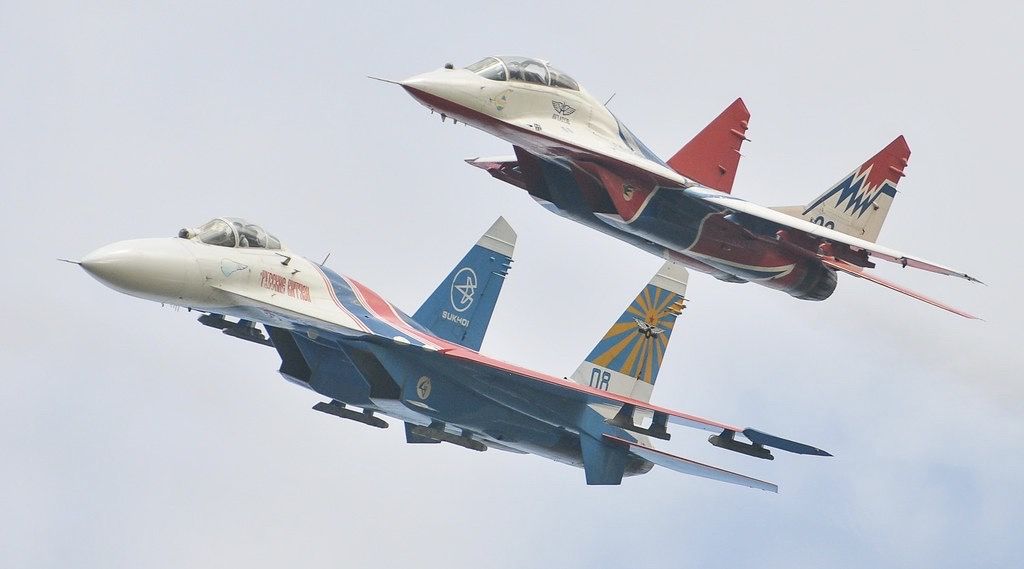
While Soviet investments in fleet modernisation were considerable, Soviet hardware repeatedly failed to produce desired results in the hands of its expert clients - from the failure of Libyan forces to neutralise American adversaries in multiple engagements to Syria's overwhelming defeat at the hands of the Israeli Air Force under Operation Mole Cricket in 1982. While both countries had relied exclusively on third generation designs such as the MiG-23, their performances against Western fourth generation jets had nevertheless been underwhelming. A leading cause of this disparity and the advantages gained by Soviet adversaries later became clear - the United States had gained access to highly sensitive information in considerable quantities on the latest Soviet weapons systems and was using this intelligence to gain a massive advantage in combat. This information had been provided by one man, Adolf Tolkachev, who may have done more damage to the Soviet defence sector than any other single figure in the Cold War.
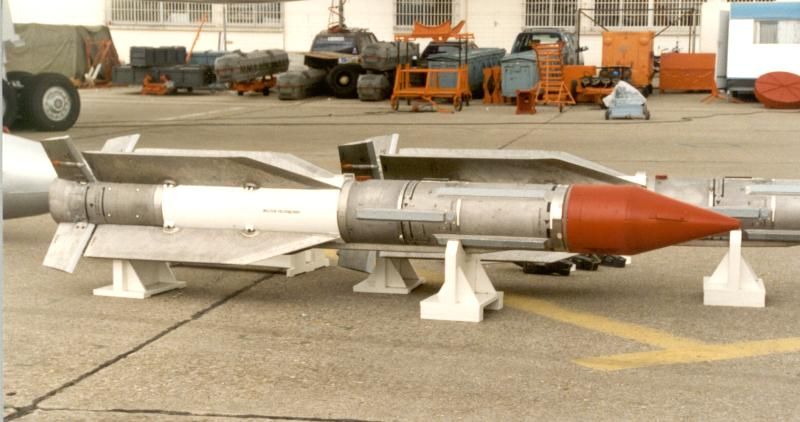
A chief designer at the Phazatron Soviet radar design house, Tolkachev had grown disillusioned with the USSR and offered his services to the American Central Intelligence Agency (CIA). He worked from 1979 to 1985 handing over military secrets and highly sensitive data in massive quantities. Tolkachev gave the CIA detailed and extensive military intelligence in such quantities and at such a rate that U.S. intelligence had difficultly absorbing it. As U.S. adversaries almost unanimously used the same weapons systems, from North Korea and Vietnam in East Asia to the Warsaw Pact nations, in Europe, Cuba in Latin America and Syria, Libya and Angola in the Middle East and Africa, this intelligence affected the global balance of power profoundly. The most modern Soviet weapons systems, from the, R-24, R-27, R-33 and R-60 air to air missiles to the new S-300 air defence systems, were all seriously compromised as a result. Details of the USSR's most modern combat jets were also provided along with their avionics information and particularly details regarding their radar capabilities - with information on the new MiG-31 particularly highly prized. U.S. intelligence was especially interested in the Zaslon passive phased array radar of the Foxhound interceptor, the world's most advanced radar ever fitted on an aircraft at the time, and is thought to have incorporated lessons from studying this design when upgrading the radar on its own F-14 Tomcats.
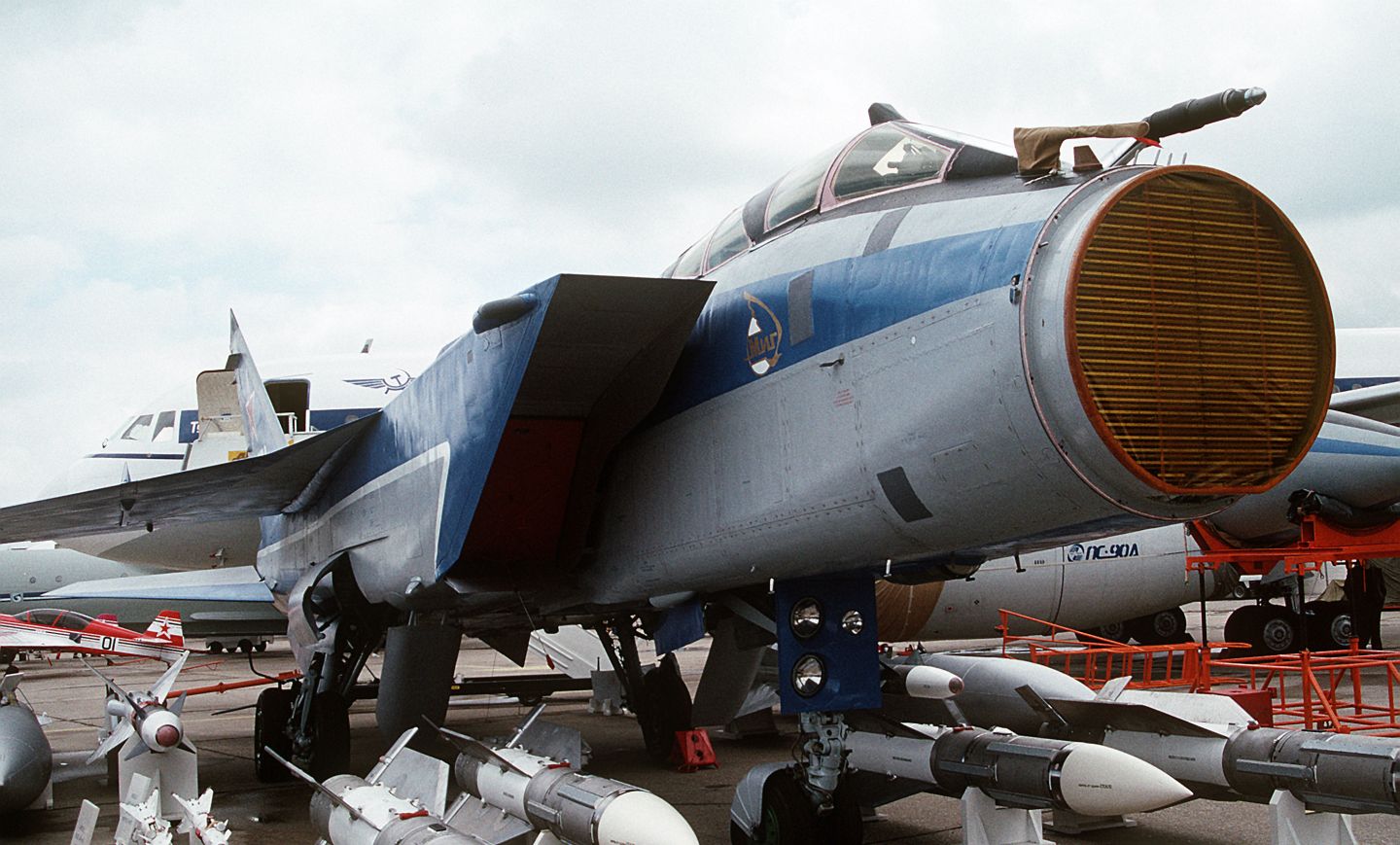
The colossal quantities of documents, blueprints and circuit boards on the latest aircraft and air defence systems obtained by the United States were a priceless asset which left the America and its allies in a position to intervene militarily against Soviet allies across the world. Not only could the U.S. develop more effective electronic warfare systems now that it had a detailed knowledge of the electronics of all leading classes of Soviet aircraft air air defence systems, but it was also aware of the exact limitations of various radar and missile designs which made combatting Soviet jets far easier. The USSR for its part had no remotely comparable intelligence on new American fighter designs or anti aircraft weapons systems. Tolkachev's actions were eventually discovered in 1985, and he was arrested and subsequently executed for espionage. Tolkachov's contribution to the Western Bloc's Cold War effort has been described as 'incalculable' due to its magnitude, and he is today honoured with a painting at the CIA's Langley headquarters. The Soviet defence sector would make a partial recovery from Tolkachev's espionage, altering the sensors and electronics of its leading combat jet designs with costly but ambitious upgrade programs. While it remains uncertain whether the Soviets had gained some form of advantage in the air by the end of the 1980s, with the MiG-29 being built in the hundreds and comparing favourably against its Western analogues and the MiG-31 and Su-27 providing very unique capabilities, the damage done by the massive quantities of extremely sensitive intelligence passed on by Tolkachev is thought to have temporarily crippled Soviet and allied defences.
