
Taiwanese Ching Kuo Fighters Practice Precision Strikes With Indigenous Wan Chien Cruise Missiles
Military Watch Magazine Editorial Staff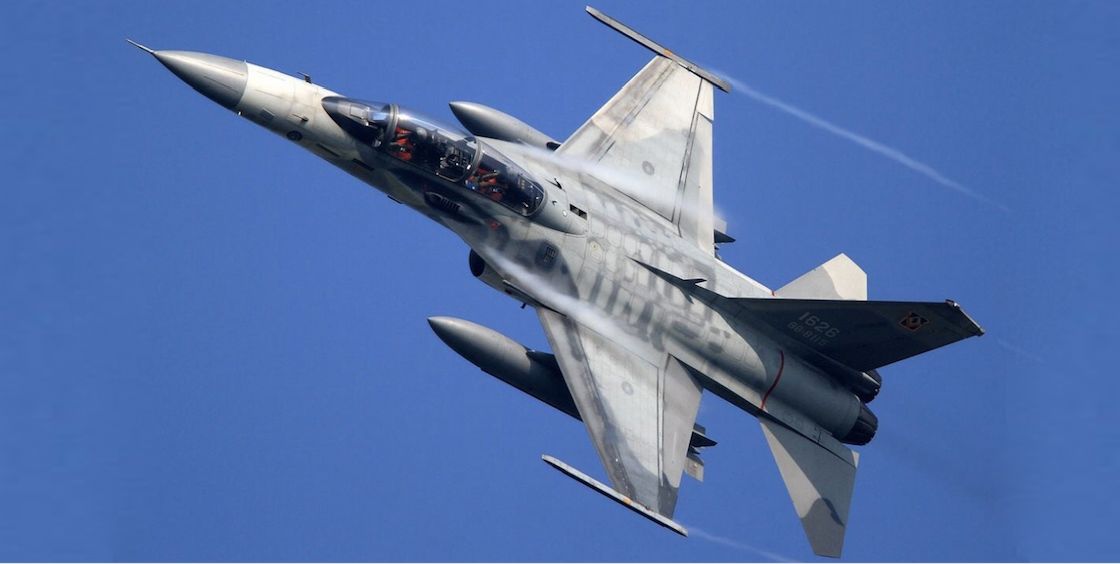
Taiwanese Ching Kuo Twin Engine Light Fighter
Taiwan’s Air Force has conducted a tactical evaluation of the new Wan Chien air launched cruise missile, a turbine powered platform developed to equip indigenous F-CK Ching Kuo twin engine light fighters for precision strikes on the Chinese mainland in the event of war in the Taiwan Strait. The Ching Kuo was developed in the 1980s as an alternative to the American F-16 Fighting Falcon and F-20 Tigershark with a similar role, and makes use of indigenous F125-70 Turbofan. Since its entry into service in 1994, the Ching Kuo has been equipped with a number of highly formidable Taiwanese munition types for both air to ground and air to air missions - in 2018 becoming the first fighter in the world to deploy hypersonic air to air missiles in the form of the Sky Sword II - designed to counter the longer ranged but slower PL-12 and PL-15 of the mainland’s People’s Liberation (PLA) Air Force. Integration of the Wan Chien onto this fighter will make it quite possibly the most formidable platform in a standoff air to ground role in the Taiwanese fleet - potentially surpassing the capabilities of the AGM-154 acquired from the United States to equip the Air Force’s American manufactured F-16 Fighting Falcons. So far only twin seat variants of the Ching Kuo appear to have integrated the new standoff munitions, allowing for the accommodation of a weapons systems officer in the second seat to target the weapons while the pilot simultaneously flies the aircraft and operates any air to air weaponry as needed.
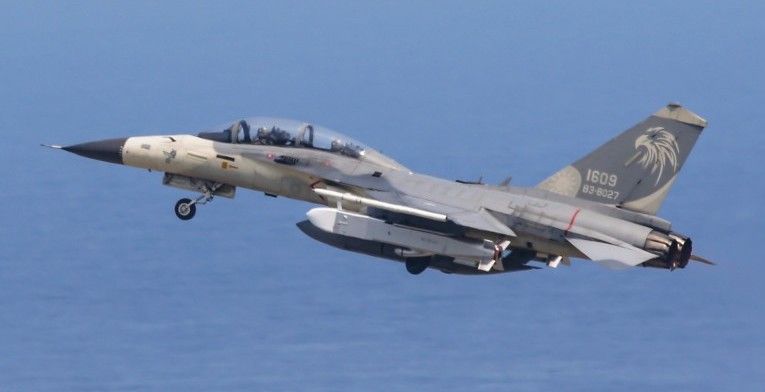
Following the first tactical evaluation of the Wan Chien conducted by Taiwan’s Air Force in August 2018, which revealed a number of shortcomings in the design, the more recent test in April 2018 incorporating modifications to amend previous issues proved far more successful. Two missiles were deployed from Ching Kuo fighters against a target in the southeastern sea, and both succeeded in following a mixed high-low altitude trajectory. The missiles were reported by Taiwanese media as intended primarily to strike PLA military facilities near the coast - and neutralising its amphibious landing fleet at range undercutting the mainland's ability to deploy ground assets for an offensive across the Taiwan Strait. Airports in Fujian and Guangdong were also highlighted as leading potential targets. The missile was developed by the National Chung-Shan Institute of Science and Technology in Taoyuan, and retains a range of over 200km. While subsonic, the missile retains some survivability against interception due to its radar cross section reducing profile. The Wan Chien is capable of deploying cluster munitions to maximise damage to targets on the Chinese mainland.
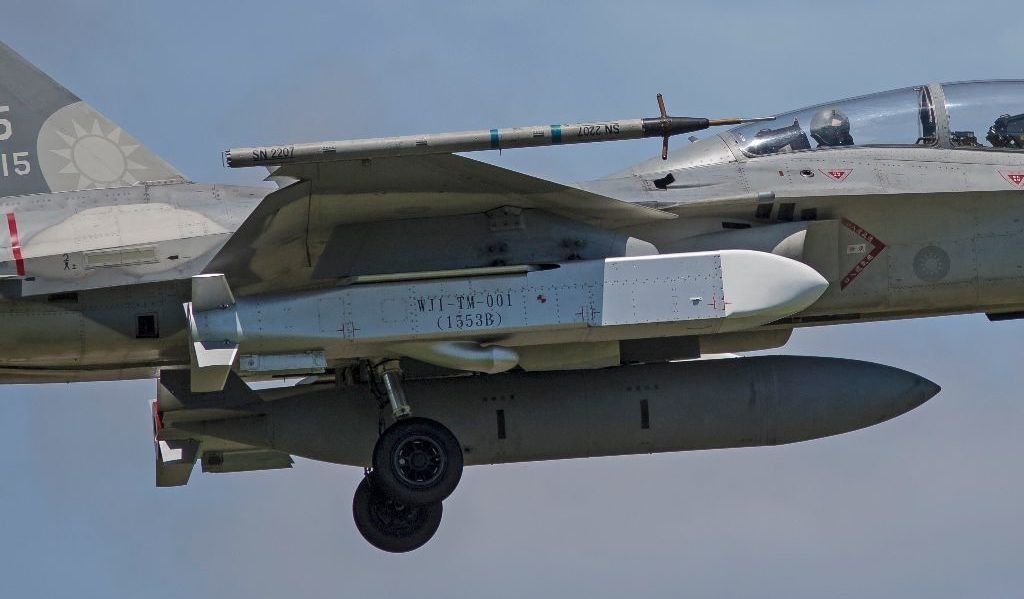
With Taiwan itself situated just 130km from the mainland, the missile’s range of 200km is more than sufficient to strike high value PLA targets even if the Ching Kuo fighters themselves do not leave Taiwanese airspace. While Wan Chien equipped Ching Kuo fighters appear potentially highly formidable, the capabilities of PLA air defences in both missile interception and anti aircraft roles, as well as the ability of the PLA Air Force to enforce a no fly zone over Taiwan, call the effectiveness of these munitions into serious question. China’s new S-400 surface to air missiles, for example, are not only designed to intercept targets with stealth profiles far more sophisticated than that of the Wan Chen, but are also capable of targeting Taiwanese aircraft over Taipei itself with hypersonic surface to air missiles - with the 40N6 capable of striking targets at altitudes as low as 5 meters and at 400km ranges. This combined with the anti aircraft capabilities of the PLA Air Force, deploying world leading air superiority fighters such as the J-20, Su-35 and J-11B over twice the weight and with over twice the weapons carriage and significantly superior sensors to the Ching Kuo or any other platform in Taiwanese service, ensure that Taiwan’s Air Force would be at an overwhelming disadvantage and very quickly find itself unable to fly even basic defensive sorties in its own airspace.
