
Taiwan Deploys the MIM-23 Hawk to Protect its Airspace; How a 59 Year Old Missile Design Can Pose a Major Threat to China's Modern Air Force
Military Watch Magazine Editorial Staff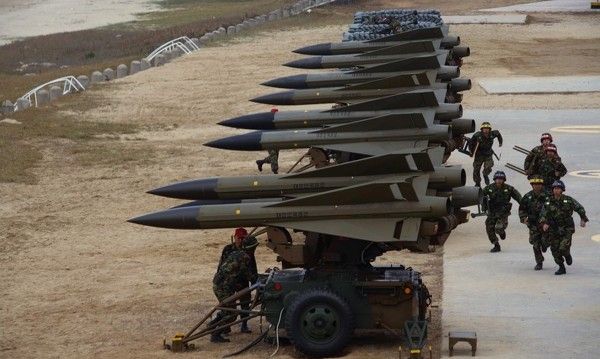
MIM-23 Hawk Surface to Air Missile Systems
Amid growing tensions across the Taiwan Strait, Taiwan's military has taken measures to upgrade its air defences against a potential attack from the Chinese mainland. With Chinese aerial assets set to take a leading role in any potential conflict as the People's Liberation Army looks to quickly gain air superiority, the importance of anti aircraft capabilities have been emphasised by the Taiwanese military. Taipei's limited resources however have left it to resort to an anti aircraft system which dates back to 1959 - the U.S. made MIM-23 Hawk. Developed long before the U.S. entry into the Vietnam War, with the program beginning in 1952 largely in response to the threat posed by advanced Soviet built aircraft in the Korean War, the missile precedes even the Soviet MiG-21 and F-4 Phantom in its antiquity. While the Hawk has been retired by the U.S. military however, a number of American defence clients continue to rely on the system for medium range air defence.
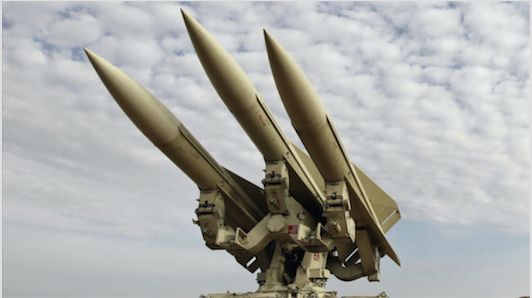
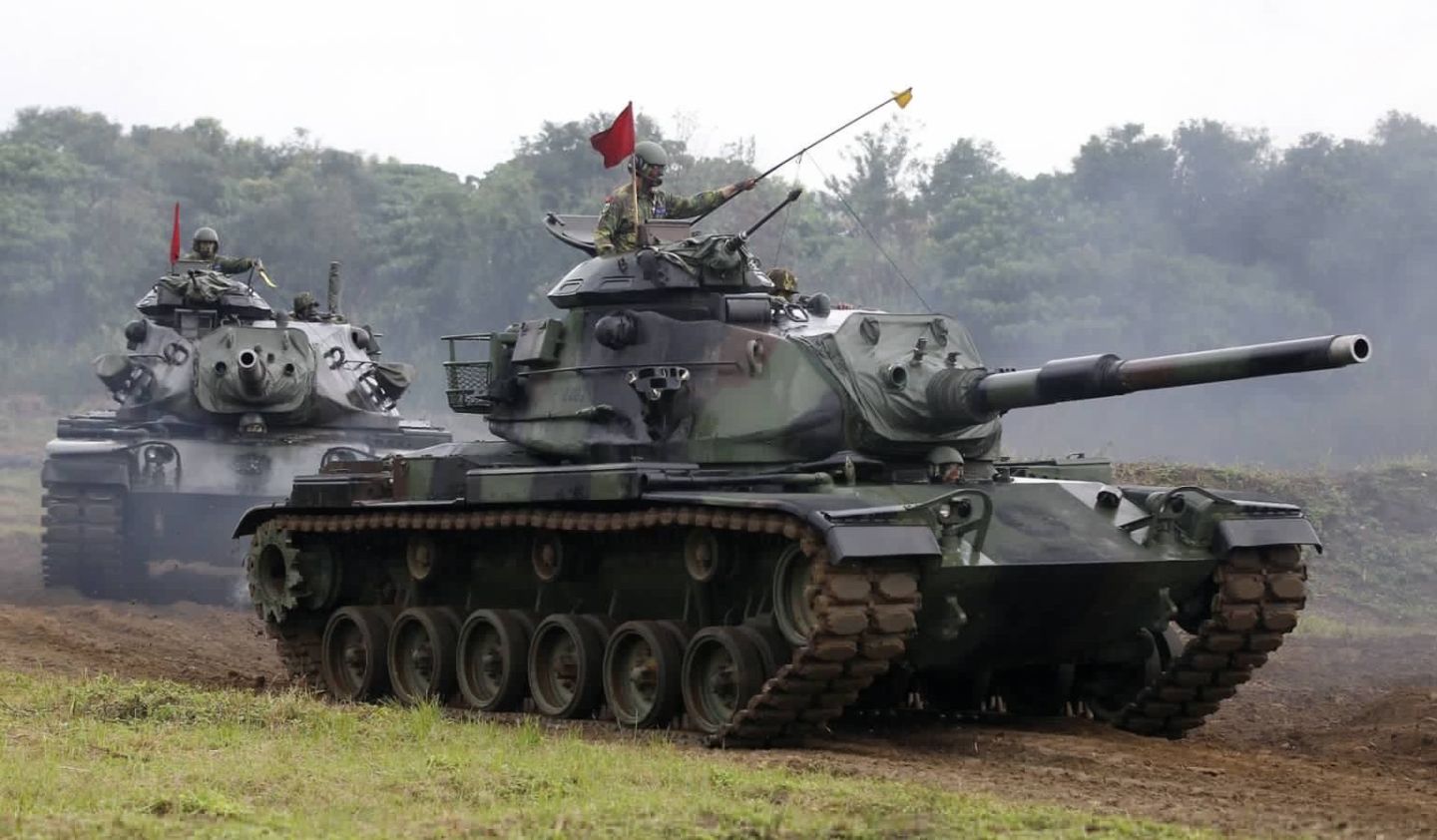
Reliance on the MIM-23 is but one example of a malady which is widespread within all branches of Taiwan's armed forces - the reliance on heavily dated technology to face an adversary which fields some of the most advanced weapons in the world in far greater numbers. Taiwan's deployment of M-48 battle tanks as the mainstay of its armoured divisions, a platform which began production during the Korean War in 1953, are a leading example. The Navy's continued reliance on the Oliver Hazard Perry Class destroyers are another. When compared to the Chinese People's Liberation Army's cutting edge systems such as the S-400 surface to air missile system, the Type 99 main battle tank and the YJ-18 cruise missile equipped Type 055 destroyers, all of which are contenders for the titles of the world's leading systems in the respective fields, Taiwanese weapons capabilities appear negligible in comparison.
While modern PLA combat aircraft such as the J-11B and Su-35 will be effectively immune to attacks by the original MIM-23, with their speed, manoeuvrability and in particular their electronic warfare systems all lending a degree of survivability several generations in advanced of what the Hawk was built to counter, the American missile system has since 1959 been extensively upgraded to allow it to target modern combat aircraft. Just as Yugoslavia, North Korea and other former Soviet arms clients have heavily upgraded their anti aircraft missile systems with to be able to target modern combat - focusing heavily on electronic warfare countermeasures and improved guidance systems - so too can the MIM-23 with the necessary upgrades potentially threaten Chinese jets - particularly at lower altitudes. While the missile uses the same body and are largely restricted to the same ranges as the original platform, modernised variants of the missile allow it to more accurately target enemy aircraft. The fact that the Hawk has remained in service in several modern militaries including Israel and Japan is testament to its high potential to incorporate upgrades, and its continued viability as a result. Assistance in upgrading these platforms from Israel, the United States or another third party remains a distinct possibility for Taiwan's armed forces, though its own defence sector has also proven highly capable in the development of anti aircraft systems in the past. As the U.S. and its allies have less experience developing countermeasures to stealth for their radar systems due to their very recent emergence outside the American inventory, the Hawk is likely to be limited to targeting Chinese jets without such next generation capabilities.
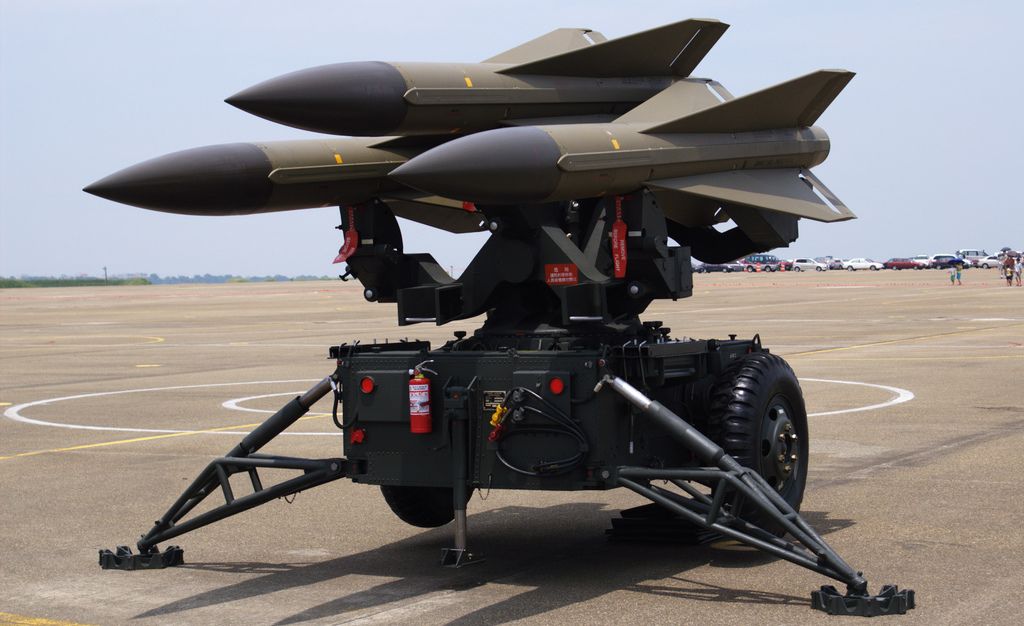
The Taiwanese military plans to deploy its Hawks missiles to to key outlying territories such as Orchid Island and Green Island, the first line if defence against a potential air attack where launch pads and silos are currently being installed. Though restricted to speeds of just Mach 2.4, ranges of just 50km, and with a very modest 54kg warhead, modernisations have improved its semi active radar homing systems and provided countermeasure to modern jamming systems which would leave older variants of the Hawk inoperable. The missile system is likely to be effective only at very short ranges, with its speed being a major restriction at a time when speeds of over Mach 10 are not uncommon for anti aircraft platforms. Ultimately while the MIM-23 poses only a minor threat to PLA assets, China's Air Force would be wise not to discount them entirely - particularly given U.S. losses of its most advanced aircraft when its Air Force made the same mistake against Yugoslavia in the 1990s and saw two of its 'invulnerable' F-117 stealth jets successfully targeted by supposedly obsolete missiles.
