
Syria Threatens Missile Strikes on Tel Aviv; Large Arsenal Could Leave Israeli Targets Vulnerable
Military Watch Magazine Editorial Staff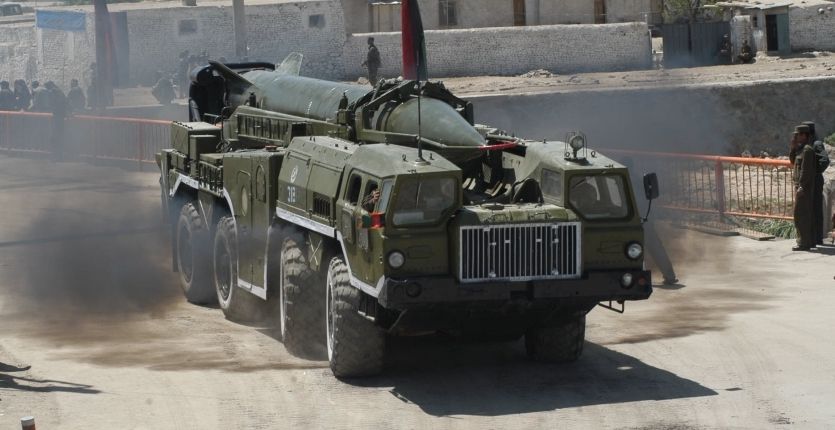
Export Variant of North Korean Hwasong-5 Ballistic Missile
Following a series of attacks on Syrian military and civilian targets by the Israeli Air Force, including repeated attacks on its airports under the pretext of stifling Iranian efforts to establish a foothold in the country, Damascus has reportedly warned that it could retaliate against Israeli targets in response to similar attacks in future. While Syria has long had little choice but to tolerate Israeli strikes on its territory, with a large and ongoing Western and Arab backed islamist insurgency continuing to drain its resources and stifling its ability to respond to attacks, with the vast majority of the country having been brought back under Damascus’ control with Russian assistance the country’s position has strengthened considerably. Not only is Syria more secure against the threat of Islamist attacks and terrorism within its borders, but its air defences have been modernised considerably with the delivery of more advanced Russian platforms such as the S-300PMU-2 - which while over 20 years old is still considerably more capable than anything the country fielded previously.
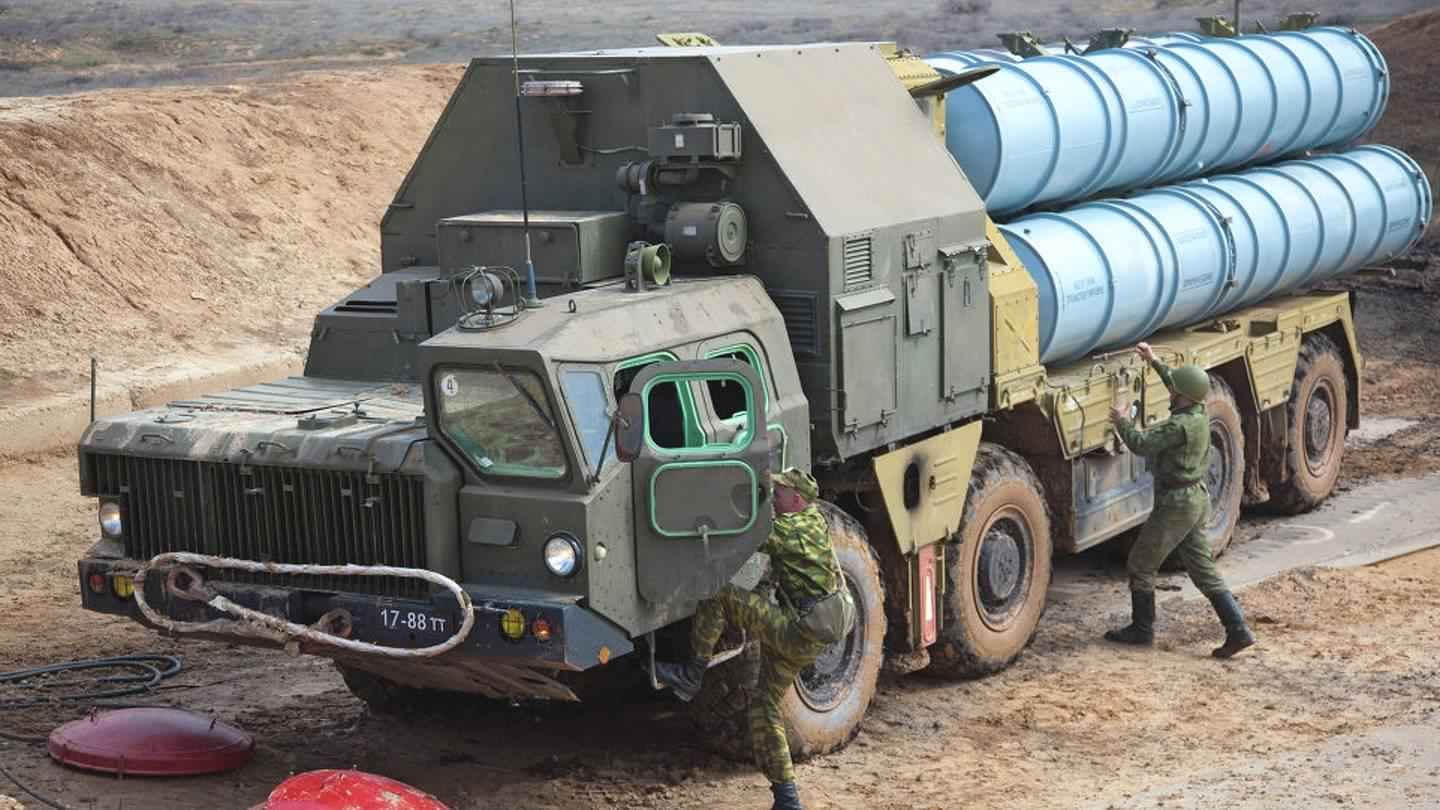
S-300PMU Surface to Air Missile Battery
Since Syria’s obtaining of more advanced air defence platforms, Israel has notably reduced the frequency with which it as struck targets in the country - and relied heavily on standoff range munitions allowing its fighters to remain well out of range of Syrian defences. With Damascus in a considerably stronger position, the possibility that it may retaliate against Israeli targets - likely as a warning rather than tactical gain - remains considerable. While the capabilities of Syria’s Air Force remain limited, the country’s ballistic missile arsenal are considerable. Alongside the older Scud missiles, simple Vietnam War era platforms which have been modernised to better evade modern air defences, Syria also deploys more advanced North Korean made KN-02 Toksa ballistic missiles which make use of a more practical solid fuel composite and are capable of striking with greater accuracy. Israeli targets such as Ben Gurion International Airport, which as been threatened specifically, remain well within the range of these munitions.
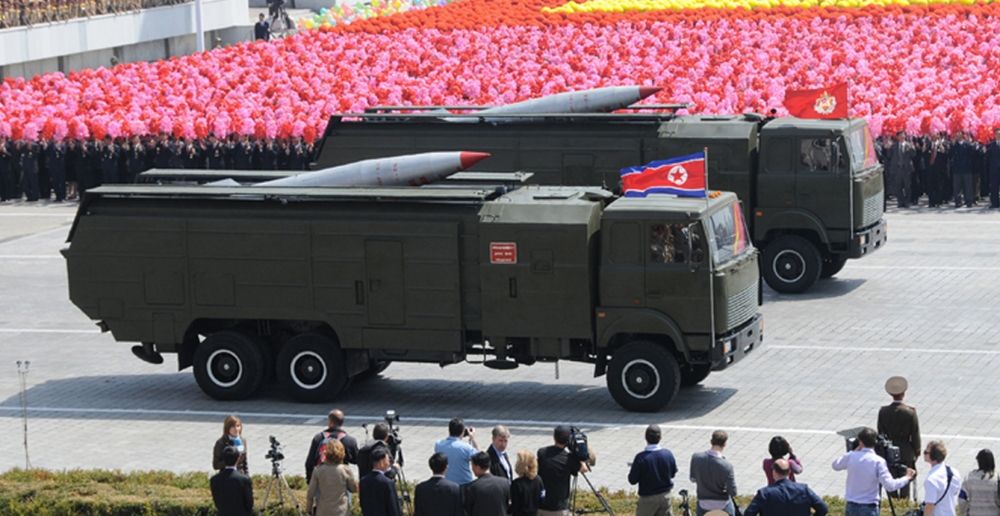
North Korean KN-02 Toksa Solid Fuelled Ballistic Missiles
While Syria’s ballistic missile arsenal is considerable, Israel’s surface to air missile defences are among the most capable in the world designed specifically for intercepting enemy missile attacks - though leaving something to be desired in their capabilities against enemy combat aircraft. The multi layered defence network, comprised of both U.S. made Patriot missile batteries and indigenous platforms such as the Iron Dome and David’s Sling, make missile strikes on Israeli territory considerably more difficult. While the accuracy of these platforms has previously been called into question by a number of experts, it remains possible that these defences could blunt a potential Syrian strike - much as Syria’s own BuK-M2 and Pantsir systems have recently been used to repeatedly blunt Israeli strikes. Israel has thus reportedly deployed Iron Dome short ranged air defence batteries to Tel Aviv in response to the threat of a potential strike - which if neutralised would mark a serious blow to Syria’s position by undermining Damascus’ claim that both states are mutually vulnerable to one another’s attacks.
